



Personally vetted instructors
Algerian Arabic tutors, lessons & classes
لاباس عليك How Algeria asks if you're doing alright.
Personally vetted Algerian Arabic tutors. Lessons in the Darija actually spoken in Algiers, Oran, Constantine, and Tlemcen, French layer included.
Your instructors
Algerian Arabic tutors for private lessons & classes
Strommen is a curated, founder-vetted teaching practice, not a marketplace. The Algerian Arabic roster is small on purpose. Every tutor below was met and vetted by us, and each one teaches the dialect as it is actually spoken, French layer and all.
Click a card to read the full bio, then book a 30-minute free trial.
Below are the Strommen tutors who specialize in Algerian Arabic. Photos, ratings, and rates are real. Click any card to read their bio and book a free 30-minute trial.
I want to learn…
Every tutor, personally met. — founder-vetted since 2006, in Los Angeles and online worldwide.
Get a personalized plan
Pick your language — a language advisor will match you with the right tutor and map out your path.

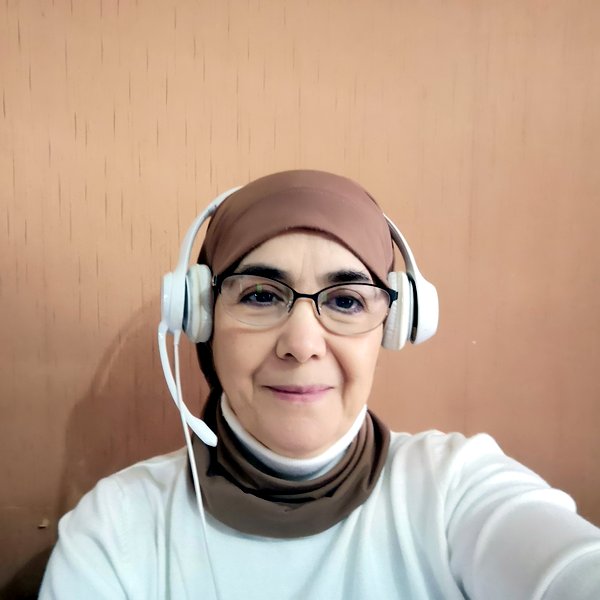


University Degree
Helping students learn with clarity, confidence, and motivation
Personally vetted · Strommen’s note
Quebec-based, Rahma teaches Arabic and French together, four Maghreb dialects covered, Algerian through Libyan.
Specialties
Also speaks: English
University Degree
Helping students learn with clarity, confidence, and motivation
Specialties
I also speak: English
Personally vetted · Strommen’s note
Quebec-based, Rahma teaches Arabic and French together, four Maghreb dialects covered, Algerian through Libyan.


Master’s Degree in Translation and Conference Interpreting (Arabic–French–English), University of Algiers 2, 2026.Bachelor’s Degree in Translation and Interpretation (Arabic–French–English), University of Algiers 2, 2024. · No formal professional teaching certifications. I hold a Master’s degree in Translation and Conference Interpreting and have professional teaching experience.
Learn to speak Arabic just like a native.
Specialties
Also speaks: French, Spanish
Master’s Degree in Translation and Conference Interpreting (Arabic–French–English), University of Algiers 2, 2026.Bachelor’s Degree in Translation and Interpretation (Arabic–French–English), University of Algiers 2, 2024. · No formal professional teaching certifications. I hold a Master’s degree in Translation and Conference Interpreting and have professional teaching experience.
Learn to speak Arabic just like a native.
Specialties
I also speak: French, Spanish

Bachelor degree in french studiesMaster's degree in french studies · DALF C2
Online certified french tutor delf/DALF/ TEF/TCF Preparation
Personally vetted · Strommen’s note
Hela has taught French and Arabic for thirteen years, DELF, DALF, TEF, and TCF certification prep included, plus four different Maghreb Arabic dialects.
Specialties
Bachelor degree in french studiesMaster's degree in french studies · DALF C2
Online certified french tutor delf/DALF/ TEF/TCF Preparation
Specialties
Personally vetted · Strommen’s note
Hela has taught French and Arabic for thirteen years, DELF, DALF, TEF, and TCF certification prep included, plus four different Maghreb Arabic dialects.
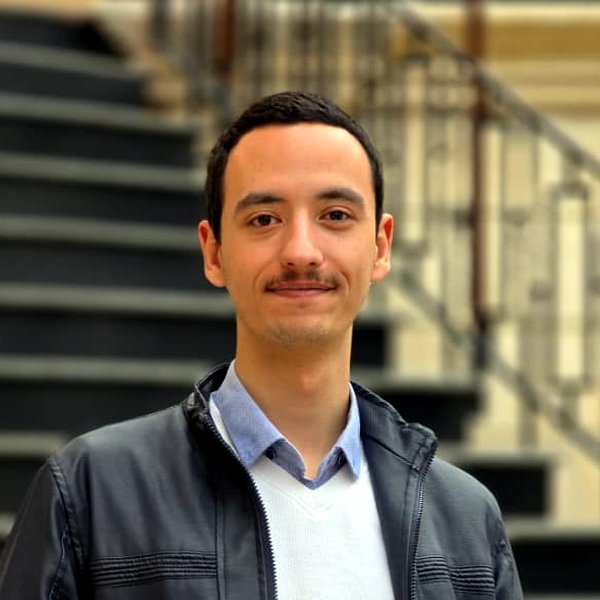
BA in English Literature · TOT , ITM Interactive teaching methodology. BA in English Literature
Step by step to English mastery.
Personally vetted · Strommen’s note
Emad's Arabic dialect range is genuinely enormous: Syrian, Gulf, Levantine, Emirati, Saudi, Moroccan. English is taught step by step alongside it.
Specialties
Also speaks: Copywriting, Spanish, Translation
BA in English Literature · TOT , ITM Interactive teaching methodology. BA in English Literature
Step by step to English mastery.
Specialties
I also speak: Copywriting, Spanish, Translation
Personally vetted · Strommen’s note
Emad's Arabic dialect range is genuinely enormous: Syrian, Gulf, Levantine, Emirati, Saudi, Moroccan. English is taught step by step alongside it.

الدارجة — Algerian culture & slang
5 Darija words an Algerian ear picks out instantly
These are markers an Algerian ear notices immediately. Screenshot them, then book a tutor to learn the rest in context.
-
01
واخا, wāḫa
"Okay," "fine," "alright." The default casual agreement marker across the Maghreb, especially common in Algerian and Moroccan speech. Its root is probably Berber, one of many such words a textbook of eastern Arabic will never cover.
e.g. Used on its own as a quick "sure, fine" in reply to a plan or a request.
-
02
بزاف, bezzāf
"A lot," "very." The Maghrebi intensifier, where a Levantine speaker would say ktīr and a Gulf speaker wājid. Likely Berber in origin, and one of the fastest words to give an eastern-trained learner away when it is missing.
e.g. شكراً بزاف, shukran bezzāf ("thanks a lot").
-
03
بصح, bṣaḥ
"But," "however." Literally "with truth." This is the Algerian-specific connector, used where eastern Arabic reaches for lākin and Egyptian for bass. It is less common in Moroccan, so it reads as distinctly Algerian.
e.g. Drops in to pivot a sentence: "I wanted to come, bṣaḥ I couldn't."
-
04
شكون, shkūn
"Who." The Maghrebi question word, literally "who is it," used in place of the eastern mīn. Pairs with the other grammar fingerprints of Darija, like the possessive dyāl and the mā ... sh negation circumfix.
e.g. Opens a question the way an Algerian speaker actually would: "shkūn?"
-
05
كوزينة، تروطوار، نفومي, the French layer
Algerian Darija borrows heavily from French, with words like kuzina (kitchen) and trotwar (sidewalk) sitting naturally in speech, and French verbs taking full Arabic conjugation, so nfūmī means "I smoke," built on French fumer. Code-switching mid-sentence is the urban norm, not a slip.
e.g. A single sentence might move from Darija to French and back without the speaker noticing.
About Algerian Arabic
The Arabic that general study won't get you
Plenty of students arrive at Algerian Arabic the same way: they spent months on a textbook or an app, felt their Arabic coming along, then sat down with a grandmother in Oran or a partner from Algiers and understood almost nothing. That gap is real, and it isn't a sign you studied badly. Algerian Darija (الدارجة) is one of the harder Arabic varieties to reach from the eastern dialects most courses teach. Knowing that going in is the first thing a good tutor will tell you.
Here is the honest framing. Algerian speakers generally understand Egyptian, picked up from a century of Egyptian cinema, and they follow Levantine television drama without much trouble. The reverse is much less true. Egyptians, Levantines, and Gulf speakers often find Maghrebi Arabic difficult or close to unintelligible without dedicated exposure. So learning Algerian gets you Algeria. It does not quietly hand you "Arabic generally" the way some learners hope. That asymmetry is the single most important thing to understand before you start, and it shapes how our tutors plan a course.
What actually makes Darija its own thing? Vowel reduction, for one. Algerian collapses many of the short vowels that Modern Standard Arabic spells out, which produces dense consonant clusters that sound foreign to an ear trained on Egyptian or Levantine. The MSA word for "book," kitāb, becomes ktāb. "Beautiful," jamīl, becomes jmīl. The grammar carries its own Maghrebi fingerprints too: the question word for "who" is shkūn, not the eastern mīn; possession runs through dyāl or tāʿ rather than the Egyptian bitāʿ; the everyday connector for "but" is bṣaḥ. None of that is in a standard Arabic curriculum.
Then there is French. Estimates vary, but some studies put French loanwords at twenty to thirty percent of urban-Algerian conversational vocabulary, and the borrowing runs deep. French nouns sit naturally in a sentence (a kitchen is a kuzina, a sidewalk a trotwar), and French verbs get fully conjugated with Arabic morphology, so "I smoke" becomes nfūmī, built on the French fumer. Code-switching mid-sentence between Darija, French, and sometimes Modern Standard Arabic or Tamazight is the norm in urban speech, not the exception. A tutor who teaches you a French-free Algerian is not teaching you Algerian. That French layer has to be in the lessons or the page you eventually carry into a real conversation will read as foreign.
There is a Berber thread as well. Tamazight sits alongside Arabic across the country, with Kabyle the major variety in the north-central region and Chaoui, Mzab, and Tuareg among the others. Its lexical influence on Algerian Arabic shows up most in food vocabulary, agricultural terms, and rural register, plus a small but real share of greetings and idioms. Algeria also is not linguistically uniform: Algiers, Oran, Constantine, and Tlemcen each carry distinct sub-varieties, and the urban-Algiers koine is what tends to get taught when Algerian is taught at all. Your tutor can lean toward the city your family or work connection points to.
Most students who want Algerian Arabic have a specific reason for it. Heritage, with grandparents or extended family who never switched to MSA at home. A partner from Algeria, and a wish to be understood by the people who raised them. A posting to Algiers, business across the Maghreb, or a film role that needs the accent done right rather than approximated. Strommen built this page for those students. It is not a tourist-Arabic page, and the tutors below will not treat Darija as a curiosity. They treat it as a living dialect with a working professional and family stake in getting it right.
What you'll cover
Lessons & classes tailored to Algerian Arabic
Darija vocabulary and the French layer together
Lessons cover the Maghrebi core a textbook leaves out (wāḫa, bezzāf, ṣāfī, mzyān, shḥāl) alongside the French borrowings that are inseparable from real Algerian speech. Tutors teach which French verbs get Arabic conjugation, when to code-switch, and when MSA is the right register instead. The aim is the dialect as Algerians actually use it, not a sanitized version. For broader context, our guide to Arabic dialects is a useful read between lessons.
Pronunciation and vowel reduction
Algerian collapses the short vowels MSA spells out, which produces consonant clusters that trip up learners trained on Egyptian or Levantine. Lessons drill the reductions directly (ktāb rather than kitāb, jmīl rather than jamīl) with listening practice on real Algerian audio: raï music, Algerian film, family-style conversation. Shadowing exercises build an ear and a mouth that match how Algiers actually sounds.
Grammar that diverges from eastern Arabic
The Maghrebi grammar fingerprints get explicit attention: shkūn for "who," the possessive dyāl and tāʿ, the connector bṣaḥ for "but," and the mā ... sh negation circumfix. If you have studied another Arabic variety, your tutor maps the differences directly so you are adjusting rather than relearning. Students who want a stronger MSA foundation alongside Darija can pair this with our Modern Standard Arabic tutors.
Regional varieties and code-switching
Algiers, Oran, Constantine, and Tlemcen each carry their own sub-variety, and the urban-Algiers koine is the usual teaching base. Tell your tutor where your family or work connection points and the lessons lean that way. Code-switching between Darija, French, MSA, and sometimes Tamazight is treated as a learnable skill, not background noise, because it is how educated urban Algerians genuinely speak.
FAQ
About Algerian Arabic lessons & classes
How different is Algerian Arabic from the Arabic taught in most courses?
Quite different. Most courses teach Modern Standard Arabic or an eastern dialect like Egyptian or Levantine. Algerian Darija reduces many short vowels, uses its own question words and connectors (shkūn for "who," bṣaḥ for "but"), and borrows heavily from French. Algerian speakers usually understand Egyptian and Levantine from cinema and television, but the reverse is much less true. Learning Algerian gets you Algeria specifically, which is exactly why a dialect-focused tutor matters.
Do I need to know French to learn Algerian Arabic?
It helps, but it is not required. French loanwords make up a large share of everyday urban-Algerian vocabulary, and code-switching between Darija and French is normal in conversation. A tutor teaches the French layer as part of the dialect, so students with no French still learn the borrowed words in context. If you already speak French, that is a genuine head start, and your tutor will build on it.
Are your Algerian Arabic tutors native speakers?
Yes. The tutors on this page are native or near-native Algerian Darija speakers, and each bio specifies where in Algeria they are from and where they have taught. The roster is intentionally small. Strommen is a curated practice rather than a marketplace, so every tutor was met and vetted by us before being listed.
Can I take Algerian Arabic lessons online or only in person?
Both. Many Algerian Arabic tutors teach online via Zoom or Jitsi and are available worldwide. Some also teach in person. The booking widget on each tutor's profile shows their available formats and current schedule, so you can match a tutor to how you prefer to learn.
I already studied Modern Standard Arabic. Will that help?
It will. Your MSA gives you the script, the root system, and a formal register that Algerians still use in writing and formal speech. The work of moving toward Darija is mostly about pronunciation, the spoken vocabulary, and the dialect-specific grammar. Tutors map the differences directly, so MSA students adjust forward rather than starting over. Pairing Darija lessons with continued MSA study is a common path.
What does an Algerian Arabic lesson actually look like?
Lessons are one-on-one and built around your goal. A typical hour mixes conversation in Darija on a topic you chose, targeted work on a pronunciation or grammar point that came up, vocabulary including the French layer, and practice using what you covered. Tutors often bring real Algerian audio, raï music, film clips, or family-style dialogue, so your ear adjusts to how Algeria actually sounds.
Why do most students want Algerian Arabic specifically?
Almost always a concrete reason. Family heritage, with grandparents or relatives who speak Darija at home. A partner from Algeria. A posting to Algiers or business across the Maghreb. Or dialect coaching for a film or stage role that needs the accent done accurately. This page was built for those students, not for general tourist Arabic, and the tutors plan courses around your particular reason.
How long does it take to hold a conversation in Algerian Arabic?
It depends on your starting point and the hours you put in between lessons. A learner with existing Arabic adjusts faster than someone starting fresh, because the script and grammar foundation transfer. Honest expectation: this is a variety that rewards steady, dialect-specific exposure rather than a quick study, and your tutor sets concrete weekly goals at the trial lesson and adjusts as you go.
Ready for Algerian Arabic lessons or classes?
Book a free 30-minute trial with one of our personally vetted tutors. Private lessons or small-group classes — your choice.