



Personally vetted instructors
Jordanian Arabic tutors, lessons & classes
مرحبتين Marḥabtain, the doubled "hi" Jordanians use to top a greeting back.
Personally vetted Jordanian Arabic tutors. Lessons in the spoken Arabic of Amman, the surrounding cities, and the wider Bedouin-influenced Jordanian register that anchors the southern Levant.
Your instructors
Jordanian Arabic tutors for private lessons & classes
Strommen is a curated language practice, not a marketplace. Every tutor below was met and vetted by us, and the Jordanian Arabic roster is staffed by speakers who grew up in Amman or the surrounding country, with the qāf-switch and the Bedouin layer in their everyday speech rather than as a textbook footnote.
Click a card to read the full bio, then book a 30-minute free trial.
Below are the Strommen tutors who specialize in Jordanian Arabic. Photos, ratings, and rates are real. Click any card to read their bio and book a free 30-minute trial.
I want to learn…
Every tutor, personally met. — founder-vetted since 2006, in Los Angeles and online worldwide.
Get a personalized plan
Pick your language — a language advisor will match you with the right tutor and map out your path.

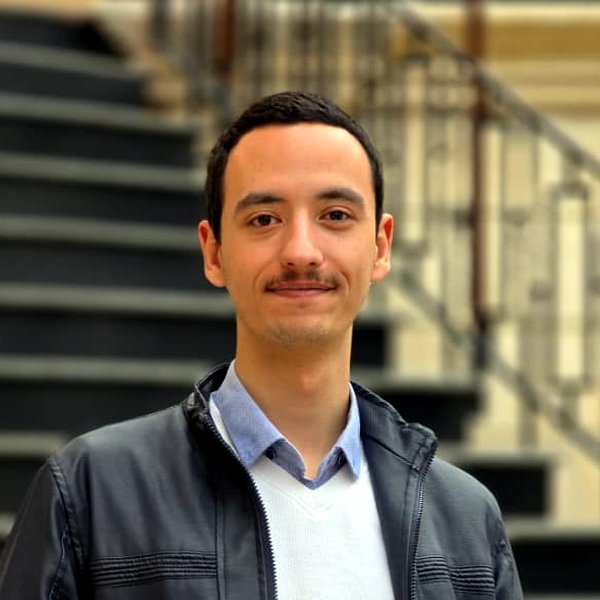


BA in English Literature · TOT , ITM Interactive teaching methodology. BA in English Literature
Step by step to English mastery.
Personally vetted · Strommen’s note
Emad's Arabic dialect range is genuinely enormous: Syrian, Gulf, Levantine, Emirati, Saudi, Moroccan. English is taught step by step alongside it.
Specialties
Also speaks: Copywriting, Spanish, Translation
BA in English Literature · TOT , ITM Interactive teaching methodology. BA in English Literature
Step by step to English mastery.
Specialties
I also speak: Copywriting, Spanish, Translation
Personally vetted · Strommen’s note
Emad's Arabic dialect range is genuinely enormous: Syrian, Gulf, Levantine, Emirati, Saudi, Moroccan. English is taught step by step alongside it.
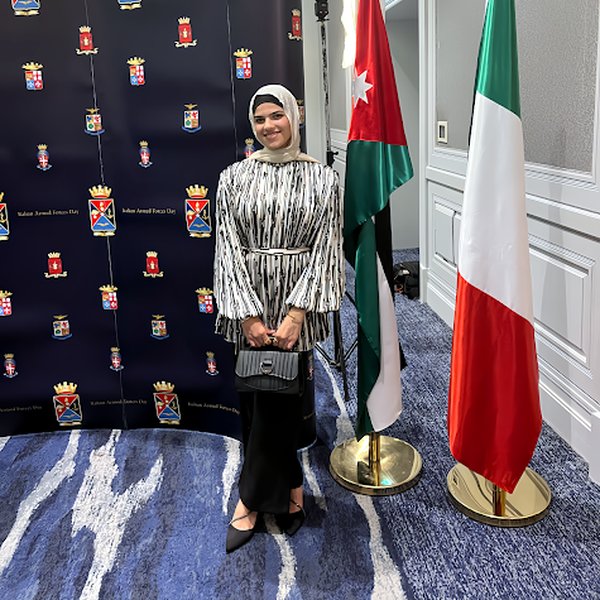
Bachelor’s Degree in Arabic Language and Literature, University of Jordan · Certificate in Teaching Arabic to Children – Jannah Way Canadian Institute.Certificate of Teaching Excellence (5+ Years of Experience) – Intensive Arabic Language Center for Foreigners, Amman.
Your Gateway to Fluent Arabic: Fusha and Jordanian Dialect for All Levels
Specialties
Also speaks: English
Bachelor’s Degree in Arabic Language and Literature, University of Jordan · Certificate in Teaching Arabic to Children – Jannah Way Canadian Institute.Certificate of Teaching Excellence (5+ Years of Experience) – Intensive Arabic Language Center for Foreigners, Amman.
Your Gateway to Fluent Arabic: Fusha and Jordanian Dialect for All Levels
Specialties
I also speak: English

الأردني — Jordanian culture & speech
5 Jordanian markers a Levantine ear picks out instantly
These are the words and phrases that mark speech as Jordanian rather than generic Levantine. Worth saving before your first lesson.
-
01
زلمة zalama
"Guy," "man," "dude." The Jordanian (and Palestinian) word for a man in casual register, with no real Egyptian or Beiruti equivalent. Used affectionately between friends and as a tag at the end of a sentence: yalla ya zalama, "come on, man."
e.g. شو يا زلمة، شو الأخبار؟ shū yā zalama, shū l-akhbār? — "what's up, man, how's everything?"
-
02
گدّام / قدّام giddām / quddām
"In front of," "ahead." Same word, two pronunciations: giddām with a hard g among speakers with Bedouin or rural roots, quddām with the urban glottal-stop variant. The same Jordanian will switch between the two based on the room. Listening for which one a speaker uses is half of placing them socially.
e.g. البيت گدّام السوق il-bēt giddām is-sūq, "the house is in front of the market."
-
03
هاي الحكي hāy il-ḥakī
Literally "this talk." Used to dismiss a line of conversation as nonsense, the way an English speaker might say "that's all talk" or "this nonsense." Pan-Jordanian, common in Ammani speech, and rare to hear in Beirut.
e.g. Used to wave away a rumor: هاي الحكي ما إله أساس, "this talk has no basis."
-
04
أبو فلان Abu fulān
"Father of [eldest son's name]." The everyday respectful address for a Jordanian man with children: a man whose son is Ahmad is Abu Ahmad to nearly everyone in his social world. The parallel for women is Umm plus the eldest son's name. A tutor flags this early so you do not unintentionally read as overfamiliar.
e.g. Greeting a colleague at his shop: أهلاً أبو أحمد، كيف الشغل؟, "welcome Abu Ahmad, how's work?"
-
05
منسف mansaf
The Jordanian national dish: lamb slow-cooked in fermented jameed yogurt, served on rice and shrāk bread, eaten by hand from a shared tray with the right hand only. It is the centerpiece of weddings, funerals, and any occasion that matters, and the vocabulary around it (jameed, shrāk, the etiquette) is its own first lesson.
e.g. Hosting a guest with full honors: عزمناهم على منسف, "we invited them for mansaf."
About Jordanian Arabic
Where urban Levantine meets the desert
Jordanian Arabic is the trickiest dialect in the Levant to pin down with a single label, and that ambiguity is the most useful thing to understand before your first lesson. The country sits at a junction. Amman, the capital, grew through the twentieth century from a small Circassian-and-tribal town into a regional city of roughly four million, and every wave of arrivals stitched its accent into the urban speech: Palestinians from 1948 and 1967, Syrians more recently, Iraqis through the 2000s, plus the long-resident Bedouin tribes whose register never left. The result is a koine that overlaps with Levantine across most of its vocabulary while carrying a distinctly Jordanian fingerprint in pronunciation, in tribal-rooted phrases, and in the social codes around address and hospitality. Learn it and you are learning Amman first, with a working ear for the Beirut and Damascus speech right next door.
The single feature that gives a Jordanian speaker away in any Arabic-speaking room is the qāf. Across the Levant the urban realization is a glottal stop: a Beiruti or Damascene asking how much something costs will say "adēsh" rather than "qadēsh." In Jordan, urban Ammani speech leans the same way, but it switches in a heartbeat. A speaker with rural or Bedouin roots, and many Ammanis with one foot in each, will pronounce the qāf as a hard g, so "qalb" (heart) becomes "galb," "yiqūl" (he says) becomes "yigūl," and the word for "front" or "in front of," "quddām," lands as "giddām." The shift is not random; it tracks register, family, and audience. The same person will reach for the glottal stop with city friends and the hard g with a relative from the south or a colleague from a tribal background. A good tutor explains this as a feature to read and produce, not as a mistake in anyone's speech.
The Bedouin layer carries into vocabulary too, more so than in Beirut or Damascus. "Zalama" is the Jordanian word for "guy" or "man," used affectionately the way "dude" works in English: a tutor might tag a sentence with "yalla ya zalama" the way an Egyptian uses "yā walad." "Hāy il-ḥakī" means "that talk," used to dismiss a line of argument the way "that nonsense" does in English. "Shū bāddi aʿmal," literally "what do I want to do," is the iconic Jordanian shrug, half resignation and half humor, with no real Egyptian or Beiruti equivalent. None of this is in a standard Levantine textbook, and most of it shows up within the first few lessons because it is everywhere in normal speech.
Mansaf is the dish you will hear named more than any other in a Jordanian lesson, and not by accident. The slow-cooked lamb served on rice and shrāk bread, drenched in fermented jameed yogurt and eaten by hand from a shared tray, is the national dish and the centerpiece of weddings, funerals, and any meal that matters. The vocabulary around it is its own small lesson: jameed, shrāk, the right-hand-only etiquette, the lemon-and-yogurt sauce served alongside. Bedouin coffee culture rides next to it. Arabic coffee, qahwa sāda, served in small handle-less cups from a long-spouted dallah, is a guest ritual rather than a beverage; refusing the first cup reads as rude, three is the polite stopping point, and shaking the cup gently when you hand it back is the signal that you are done. A tutor walks you through all of it because the language of Jordanian hospitality is half phrases and half gestures.
Address and honorifics carry weight here in ways that surprise learners coming from Beirut or Cairo. "Abu" plus the name of someone's eldest son is how a Jordanian man is genuinely addressed once he has children: a man named Khaled whose son is Ahmad is Abu Ahmad to almost everyone in his life, and using his first name with a near-stranger can read as oddly familiar. The parallel for women is "Umm" plus the eldest son's name. Tribal affiliation matters too in social introductions, and family names carry weight: the Bani Hassan, the Bani Sakhr, the Adwan, the Majali, and many others. A tutor will not drill tribal genealogy at you, but they will flag the social patterns so that a Jordanian counterpart's introduction does not slide past you unread.
Most students who want Jordanian Arabic specifically arrive with a clear reason. Family, often Palestinian-Jordanian, with grandparents or relatives in Amman, Zarqa, or Irbid. A posting to Amman with USAID, a UN agency, or one of the many international NGOs that staff the city. Academic study at the University of Jordan, CIEE, or Qasid, which is one of the most-attended Arabic immersion programs in the world and the reason countless Western Arabists speak Jordanian rather than any other dialect. Heritage learners with a passive ear and gaps in active production. Whatever the entry point, the Strommen tutors below teach the dialect as it is actually spoken in Amman and the wider country, with the qāf switch and the Bedouin layer in the room from the first lesson, alongside our broader Levantine Arabic roster and MSA tutors for students who want both the spoken and the written register in the same plan. For a deeper read on how the dialects fit together, the Arabic dialects guide is a useful starting point, and you can see the full Arabic classes overview on the main page, or browse every vetted teacher on the tutors directory.
What you'll cover
Lessons & classes tailored to Jordanian Arabic
The qāf switch and Jordanian pronunciation
The single most important sound feature of Jordanian Arabic is the qāf, which lands as a glottal stop in urban Ammani speech and as a hard g among speakers with rural or Bedouin roots; many Jordanians switch between the two depending on who they are talking to. Lessons drill both, with listening practice on real Jordanian audio so you learn to hear the switch as a social signal rather than a pronunciation error.
Bedouin and tribal-influenced vocabulary
The everyday Jordanian layer that Levantine textbooks skip: zalama for "guy," hāy il-ḥakī to dismiss talk as nonsense, the iconic shrug shū bāddi aʿmal, and the address conventions around Abu and Umm. Tutors teach these as the default of how Jordanians actually speak, not as colorful add-ons to a Beirut or Damascus base.
Mansaf, coffee, and hospitality vocabulary
The language of the Jordanian table and the guest ritual: mansaf and its components (jameed, shrāk, the right-hand etiquette), Arabic coffee from a dallah served in small handle-less cups, the gentle shake that signals you are done, and the polite refusal-and-insistence pattern that opens almost any visit. The phrases are practical, and they are the part a tutor in Jordan would walk you through in the first few lessons rather than postponing as cultural color.
Jordanian within wider Levantine
Because Jordanian Arabic shares a great deal with Lebanese, Palestinian, and Syrian speech, lessons keep the wider Levantine picture in view: which features are shared, which are specifically Jordanian, and where Palestinian speech in particular blends in heavily through the country's demographic history. Students who eventually want a stronger MSA foundation alongside Jordanian can pair this with our Modern Standard Arabic tutors.
FAQ
About Jordanian Arabic lessons & classes
How is Jordanian Arabic different from Levantine more generally?
It sits inside the Levantine family and overlaps heavily with Lebanese, Palestinian, and Syrian speech, but a few features mark it. The qāf often lands as a hard g among speakers with Bedouin or rural roots, where urban Beirut and Damascus would use a glottal stop. Vocabulary like zalama for "guy" and the affectionate yalla ya zalama is distinctly Jordanian and Palestinian. And the demographic mix of Amman, with large Palestinian, Syrian, and Bedouin populations layered over an old tribal base, produces a koine that is its own thing rather than a copy of Beirut or Damascus speech.
I want to study at Qasid or CIEE in Amman. Is private Jordanian Arabic worth it before I go?
Yes, and it is one of the most common reasons students book this page. A few weeks of one-on-one Jordanian pronunciation, vocabulary, and listening before an immersion program means you arrive ready to use the dialect rather than spending the first month adjusting your ear from textbook MSA. Tutors calibrate to the program you are heading into and the level you are arriving at.
My family is Palestinian-Jordanian. Should I learn Palestinian or Jordanian Arabic?
Honestly, they overlap so much in Amman that you mostly do not have to choose. Many Jordanian families with Palestinian roots speak a blended urban register at home, and a tutor familiar with both can lean toward whichever pronunciation and vocabulary your family actually uses. If you want a more dedicated focus on the Palestinian variety, our Palestinian Arabic tutors teach that as a primary specialty.
Are your tutors native Jordanian speakers?
Yes. The teachers on this page are native or near-native speakers from Jordan, and each bio specifies where in the country they are from and what their family background is. Because Ammani speech blends so many regional and tribal layers, the bios are worth reading: a tutor with Palestinian-Jordanian roots and a tutor from a southern tribal family will sound noticeably different, and you can choose the fit that matches your goal.
Can I take Jordanian Arabic lessons online or only in person?
Both. Many of our Jordanian Arabic tutors teach online via Zoom or Jitsi and are available worldwide. Several also teach in person around Los Angeles. The booking widget on each tutor's profile shows their available formats and current schedule.
Should I learn Modern Standard Arabic first?
It depends on your goal, and the two are not in competition. MSA is the written and formal-spoken register that every literate Arab shares, while Jordanian is the spoken dialect of Amman and the country. Many students run both in parallel, treating them as two registers of one language. If your reason for learning is to talk with family or live in Jordan, the dialect can lead. If you also need to read or write, your tutor will weave MSA in alongside, or you can study it on its own with our MSA tutors.
What does a Jordanian Arabic lesson actually look like?
Lessons are one-on-one and built around your goal. A typical hour mixes conversation in Jordanian on a topic you chose, targeted work on a pronunciation point (often the qāf switch in its various realizations), Jordanian-specific vocabulary, and listening practice with real audio: Jordanian comedy, music, or family-style dialogue. Tutors set concrete weekly goals at the trial lesson and adjust from there.
How long until I can hold a conversation in Jordanian Arabic?
It depends on your starting point and the hours you put in between lessons. A complete beginner aiming for everyday conversation usually needs several months of consistent weekly lessons with self-study in between. Heritage learners with a passive ear from family settings often move faster, since the comprehension scaffolding is already there and the work is mostly active production. Your tutor will give you a realistic timeline at the trial rather than a marketing one.
Ready for Jordanian Arabic lessons or classes?
Book a free 30-minute trial with one of our personally vetted tutors. Private lessons or small-group classes — your choice.