



Personally vetted instructors
Lebanese Arabic tutors, lessons & classes
أهلا Ahla, the casual Beiruti "hi" you hear before anything more formal.
Personally vetted Lebanese Arabic tutors. Lessons in the spoken Arabic of Beirut and the wider country, French and English layer included, taught the way the dialect actually moves in a Lebanese home.
Your instructors
Lebanese Arabic tutors for private lessons & classes
Strommen is a founder-vetted boutique practice, not a marketplace. The Lebanese Arabic tutors below were each met by us before being listed, and they teach the dialect with the French and English layer in place, the way Beirut actually speaks.
Filter by location, age, or price. Then book a 30-minute free trial with whoever feels right.
Below are the Strommen tutors who specialize in Lebanese Arabic. Photos, ratings, and rates are real. Click any card to read their bio and book a free 30-minute trial.
I want to learn…
Every tutor, personally met. — founder-vetted since 2006, in Los Angeles and online worldwide.
Get a personalized plan
Pick your language — a language advisor will match you with the right tutor and map out your path.

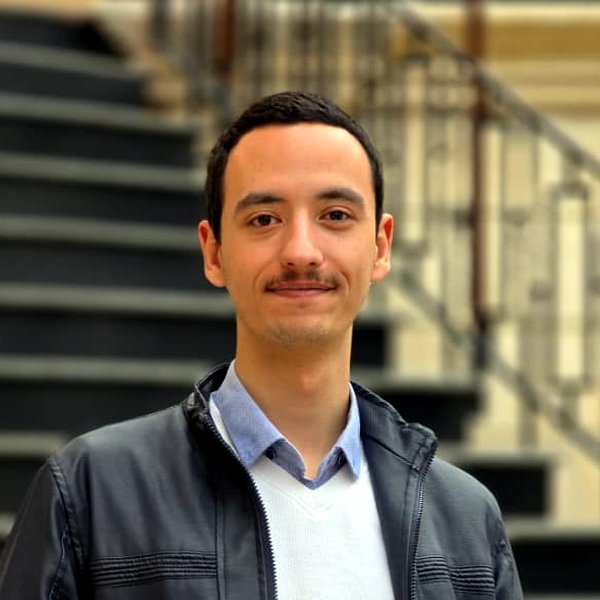


BA in English Literature · TOT , ITM Interactive teaching methodology. BA in English Literature
Step by step to English mastery.
Personally vetted · Strommen’s note
Emad's Arabic dialect range is genuinely enormous: Syrian, Gulf, Levantine, Emirati, Saudi, Moroccan. English is taught step by step alongside it.
Specialties
Also speaks: Copywriting, Spanish, Translation
BA in English Literature · TOT , ITM Interactive teaching methodology. BA in English Literature
Step by step to English mastery.
Specialties
I also speak: Copywriting, Spanish, Translation
Personally vetted · Strommen’s note
Emad's Arabic dialect range is genuinely enormous: Syrian, Gulf, Levantine, Emirati, Saudi, Moroccan. English is taught step by step alongside it.

اللبناني — Lebanese culture & speech
5 Lebanese expressions worth learning before your first lesson
These are markers a Lebanese ear picks up instantly, the social signals that tell a foreign speaker has done the homework. Worth saving.
-
01
كيفك شو أخبارك kīfak shū akhbārak
"How are you, what's the news." The chained Lebanese greeting, where a single "hi" never quite suffices. The expected answer is the same length back, with the speaker's actual update arriving only after the third or fourth exchange. Cutting it short reads as cold.
e.g. Used on first meeting after a few weeks apart: kīfak shū akhbārak, kīf il-bēt, kīf il-shughul?
-
02
Bonjour / merci / bonsoir
The French layer, used at full register in everyday Beiruti speech. Bonjour as the morning greeting, merci as the casual thanks (with the Arabic yislamū as its warmer parallel), bonsoir to close the evening. None of this is for show. Beiruti speakers reach for these naturally even mid-Arabic sentence, and a tutor will not edit them out.
e.g. A neighbor in the elevator: bonjour, kīfik il-yēm? ("bonjour, how are you today?")
-
03
حبيبي ḥabībī
Literally "my beloved." In Lebanese it works as a universal warm address between speakers of any relation, fully removed from romance: men to men, women to women, parents to children, close friends to friends. Reading the register correctly is the calibration a learner needs early.
e.g. A friend opening a text: yalla ḥabībī, bashūfak il-yēm? ("come on habibi, will I see you today?")
-
04
يسلمو yislamū
"May they be safe," used as a warm Lebanese thank-you, often said while gesturing at the speaker's hands, especially after a meal or a meaningful favor. Warmer than a plain shukran or a borrowed merci, and one of the cleanest Lebanese-specific courtesy markers.
e.g. Said to a host after dinner, often with a small hand gesture: yislamū īdayki ("may your hands be safe").
-
05
Libnēn / yēm / khabre
The vowel-raising pattern, imāla, is the cleanest pronunciation tell of Lebanese: long ā lifts toward ē, so "Lubnān" sounds like "Libnēn," "yawm" like "yēm," and feminine endings drift from -a toward -e. A Beiruti ear hears the raising within a few seconds of any speaker, and producing it is what makes a foreign learner sound Lebanese rather than generically Levantine.
e.g. Pronouncing the name of the country: anā min Libnēn ("I am from Lebanon").
About Lebanese Arabic
The Levantine that runs in three languages at once
Lebanese Arabic is, on paper, a sub-variety of Levantine. In practice it has its own shape, its own social codes, and one signature feature that no other Arabic dialect does at quite the same intensity: educated Beiruti speech runs in three languages at once. A single sentence from a Beirut professional in their thirties might open in Arabic, switch to French for the next clause, drop an English noun into the third, and close back in Arabic without anyone in the room noticing the seams. That trilingual code-switching is not a quirk and not a flex; it is how middle- and upper-middle-class Beirut talks, and a Lebanese Arabic tutor who teaches the dialect without it teaches a flattened version that nobody actually speaks at home. Strommen's roster treats the French and English layer as part of the dialect, not as background noise to clean out.
The phonological signature of Lebanese is vowel raising, sometimes called imāla, and it is the first thing a trained ear hears. Where MSA and most other Levantine varieties say "Lubnān" for Lebanon, Lebanese speech raises the long ā toward an ē sound, so a Beiruti says "Libnēn." The pattern runs through the lexicon: "yawm" becomes closer to "yēm," the ending of feminine nouns drifts from a clear "-a" toward "-e," so "khabra" (news) sounds like "khabre," and many borrowed and native words follow the same lift. It is one of the cleanest accent markers in spoken Arabic, audible within a few seconds of any Beiruti speaking, and a tutor drills it directly because the substitution is what makes a learner sound Lebanese rather than generically Levantine. The qāf, like in most urban Levantine speech, lands as a glottal stop in Beirut, so "qalb" (heart) is "alb" and "qaddēsh" (how much) is "addēsh."
The French layer is genuinely Lebanese rather than borrowed for show. France held a mandate over Lebanon from 1920 to 1943, French has been a language of education in the country's elite Catholic and Protestant schools for generations, and Beirut's older middle class often speaks French as fluently as Arabic. The borrowing is not vocabulary alone. The greeting "bonjour" is a normal everyday Lebanese "hi," used by speakers who would otherwise be in Arabic; "merci" has displaced shukran in casual register for many Beirutis, with "yislamū" remaining the warmer Arabic version; "bonsoir" closes the day. English entered the mix more recently, through American and British schools, the post-1990 service economy, and the tech-and-creative industries that anchor a sizable share of Beirut's professional life. The result is a register in which a Beirut friend might tell you "yalla, on va, the meeting is at three," and that sentence is unremarkable. A good tutor teaches you to read this rather than fight it.
The food vocabulary is its own lesson, because Lebanese cuisine is the part of the culture most likely to land first on a learner's table. Tabbouleh is a parsley salad in Lebanon, with bulghur as a minority ingredient, which is the opposite of how it travels abroad; ordering tabbouleh in Beirut and getting a bowl of bulghur with parsley sprinkled in would be the wrong dish. Kibbe runs across a small genre of its own, from the baked kibbe bil-ṣīniyye to raw kibbe nayye, which is the country's iconic dish of finely pounded raw lamb and bulghur eaten with mountain herbs, traditional especially in the Bekaa and the north. Manʾūshe, the za'atar-and-oil flatbread eaten for breakfast, is the social equivalent of an American bagel run. Arak, the anise spirit that turns cloudy white when iced, is the table drink at any long Lebanese meal. The vocabulary around all of it carries into ordinary speech, and a tutor teaches the words alongside the etiquette.
The word habibi, literally "my beloved," is doing more work in Lebanese than its translation suggests. It functions as a universal term of warm address between speakers of any relation, used by men to men, women to women, and across genders, fully removed from romantic context. A taxi driver calls a male passenger habibi; a woman calls her female colleague habibti; a parent uses it with a child; close friends sprinkle it through any conversation. Learning to read the register correctly, so the warmth lands as warmth rather than as flirtation, is one of the early calibrations a tutor coaches a foreign learner through. The same is true for habib albi, "love of my heart," which is genuinely affectionate but routine between close friends and family in a way that English does not have a clean parallel for.
Who actually books Lebanese Arabic lessons tends to come from a few recognizable directions. The Lebanese diaspora is one of the largest in the Arab world, spread heavily across the US, Canada, France, Australia, and Brazil, which makes heritage learners a major share of the roster. A second cluster is partners and spouses of Lebanese family members, marrying into a household where Sundays mean a large lunch in a mix of three languages. A third is professionals heading to Beirut for work in finance, NGOs, journalism, or the creative industries that remain anchored there. Strommen's Lebanese tutors include native speakers from Beirut and the wider country, calibrated to teach the trilingual register honestly. The Strommen Levantine Arabic roster covers the wider regional koine if your interest spans the whole Levant, and the MSA tutors handle the formal written and broadcast register that runs alongside any dialect. For deeper context on how the spoken varieties fit together, the Arabic dialects guide is the right next read, and the main Arabic page shows every format we offer.
What you'll cover
Lessons & classes tailored to Lebanese Arabic
Vowel raising and Beiruti pronunciation
The imāla pattern is the single highest-leverage pronunciation feature in Lebanese: long ā raises toward ē, feminine endings lift from -a toward -e, and the qāf lands as a glottal stop. Lessons drill the lift directly with listening practice on Beiruti audio, so the substitution becomes a habit you produce rather than a feature you only recognize.
The trilingual register, French and English included
Educated Beiruti speech moves between Arabic, French, and English inside a single sentence, and the borrowing is fully naturalized. Lessons treat the code-switching as part of the dialect, teaching when bonjour and merci replace marḥaba and shukran, how English nouns slot into Arabic syntax, and when an MSA word would land as too stiff. Students who want a tighter focus on the wider region can pair with our Levantine Arabic tutors.
Lebanese food and table vocabulary
Tabbouleh, kibbe in its various forms (baked, fried, kibbe nayye), manʾūshe for breakfast, mezze platters and arak at a long Lebanese lunch. The vocabulary is everywhere in ordinary speech, and lessons cover ordering, hosting, and the etiquette of a Lebanese table alongside the words themselves. For students who want a vocabulary base between lessons, the 1,000 most common Arabic words is a solid frequency reference.
Sub-varieties: Beirut, the mountain, the north, the Bekaa
Lebanese is not uniform inside the country. Beirut speech leans lighter and quicker, the mountain villages of Mount Lebanon keep some older retentions, the north (Tripoli, Akkar) shifts slightly toward Syrian, and the Bekaa Valley carries its own rural patterns. If your reason for learning points at a particular region, tell your tutor and the lessons lean that way rather than flattening into a generic Beiruti default.
FAQ
About Lebanese Arabic lessons & classes
How is Lebanese Arabic different from Levantine more broadly?
Lebanese sits inside the Levantine family, alongside Syrian, Palestinian, and Jordanian, and the four dialects overlap heavily. The features that mark Lebanese are pronunciation, especially the imāla vowel raising that turns long ā toward ē, and the social register, where Beirut speech moves freely between Arabic, French, and English in ways that are far less common outside Lebanon. If you want the wider regional koine, our Levantine Arabic tutors teach it as the shared spoken Arabic of the four countries together.
Do I need to speak French to learn Lebanese Arabic?
No, but you will hear it. The French layer is part of educated Beiruti speech, and a tutor teaches the borrowed words and greetings (bonjour, merci, bonsoir) as part of the dialect rather than assuming you arrive with French already. If you do speak French, that is a real head start, and your tutor will lean into the natural code-switching from the first lesson. If you do not, you will still learn the layer in context.
Are your tutors native Lebanese speakers?
Yes. The tutors on this page are native or near-native speakers from Beirut and the wider country, and each bio specifies where in Lebanon they are from and what register they teach. Because Beiruti, mountain, northern, and Bekaa speech differ in audible ways, you can match yourself to the variety that fits your reason for learning.
Can I take Lebanese Arabic lessons online or only in person?
Both. Many of our Lebanese Arabic tutors teach online via Zoom or Jitsi and are available worldwide. Several also teach in person around Los Angeles. The booking widget on each tutor's profile shows their available formats and current schedule.
I am a heritage learner with Lebanese family. My understanding is okay but I can barely speak. Can a tutor help?
Yes, and this is one of the most common situations on this page. Heritage learners usually arrive with a strong ear, a real cultural anchor, and gaps in active speaking. A tutor builds on what is already there rather than restarting from the alphabet, focusing on production, vocabulary, and any gaps in reading. Most students begin with a 30-minute free trial so the tutor can hear exactly where you actually are.
Should I learn Modern Standard Arabic first?
It depends on your goal, and the two are not in competition. MSA is the written and formal register every literate Arab shares, while Lebanese is the spoken dialect of Beirut and the country. Many learners run both in parallel, treating them as two registers of one language. If your reason for learning is family or daily conversation, the dialect can lead. If you also need to read or write at a serious level, your tutor will weave MSA in alongside, or you can study it on its own with our MSA tutors.
What does a Lebanese Arabic lesson actually look like?
Lessons are one-on-one and built around your goal. A typical hour mixes conversation in Lebanese on a topic you chose, targeted work on pronunciation (often the imāla pattern and the qāf), Lebanese-specific vocabulary including the natural French layer, and listening with real audio: Fairuz songs, Lebanese film, family-style dialogue. Tutors set concrete weekly goals at the trial and adjust as you go.
How long until I can hold a conversation in Lebanese Arabic?
It depends on your starting point and the hours you put in between lessons. A complete beginner aiming for everyday conversation usually needs several months of consistent weekly lessons with self-study in between. Heritage learners with a passive ear often move faster, since the comprehension is already there and the work is mostly active production. Your tutor will give you a realistic timeline at the trial rather than a marketing one.
Ready for Lebanese Arabic lessons or classes?
Book a free 30-minute trial with one of our personally vetted tutors. Private lessons or small-group classes — your choice.