



Personally vetted instructors
German Opera tutors, lessons & classes
Bühne frei Stage clear, the German theater idiom that says ready when you are.
Personally vetted German opera tutors for singers preparing Mozart, Wagner, Strauss, Beethoven, Weber, Korngold, and the German Lied tradition. Diction, role coaching, libretto translation, and stylistic preparation grounded in the standards of Bayreuth, Salzburg, and the German Singspiel tradition.
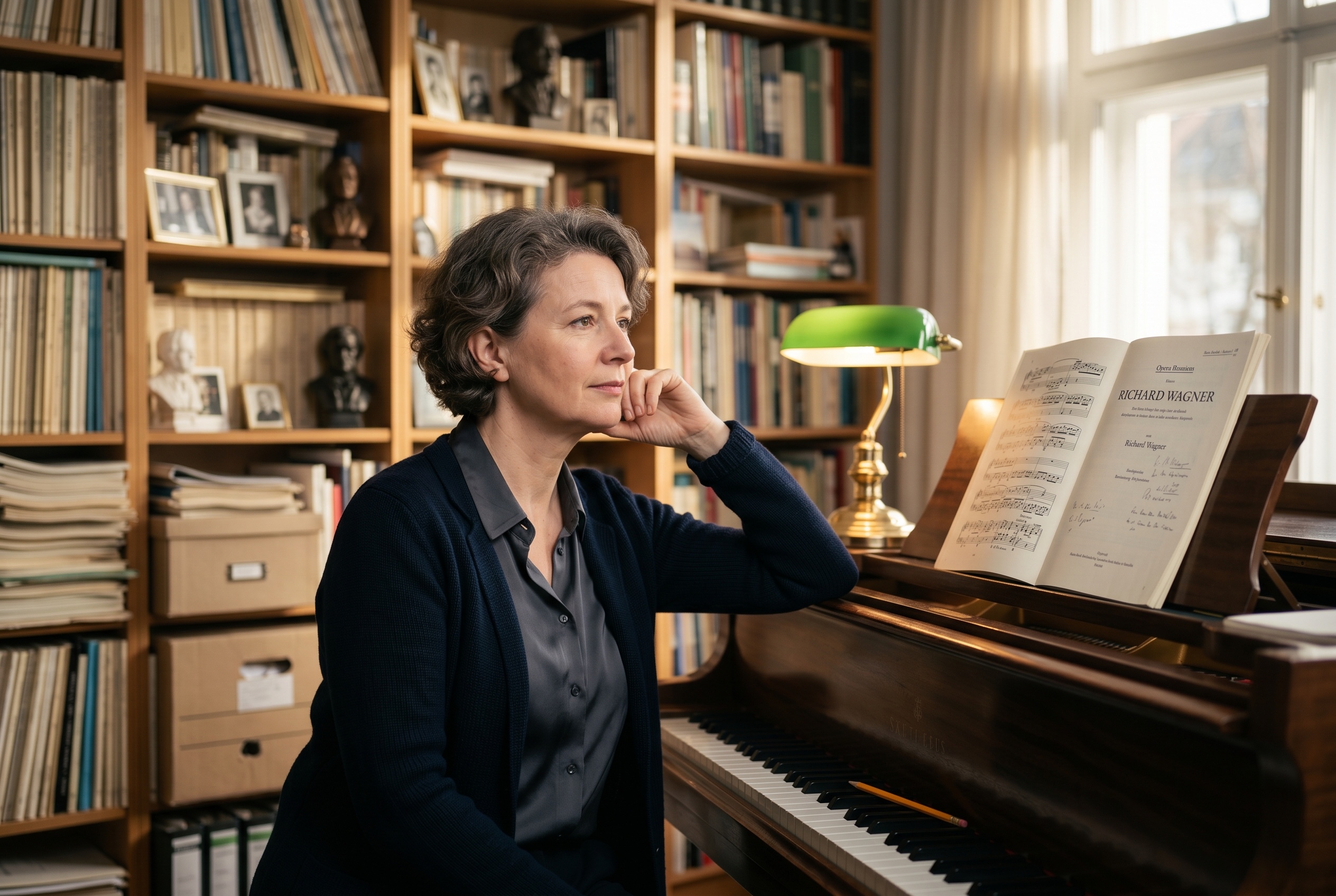
Your instructors
German Opera tutors for private lessons & classes
Strommen has been coaching opera singers since 2006. German repertoire requires coaches with specific German-language training and stage experience in the German operatic tradition, not generalists who pick up the diction as needed. Our German-opera coaches include native German speakers with conservatory backgrounds and North American opera coaches with extensive German-repertoire experience at LA Opera, Long Beach Opera, Pacific Opera Project, USC Thornton, Colburn, and the major German and Austrian houses. Every tutor below was met and vetted by us in person or via thorough video interview. No marketplace. No automated profile-creation. Real coaches with real German-repertoire credits.
Filter by location, age, or price. Then book a 30-minute free trial.
Below are the Strommen tutors who specialize in German opera. Photos, ratings, and rates are real. Click any card to read their bio and book a free 30-minute trial.
I want to learn…
Every tutor, personally met. — founder-vetted since 2006, in Los Angeles and online worldwide.
Get a personalized plan
Pick your language — a language advisor will match you with the right tutor and map out your path.

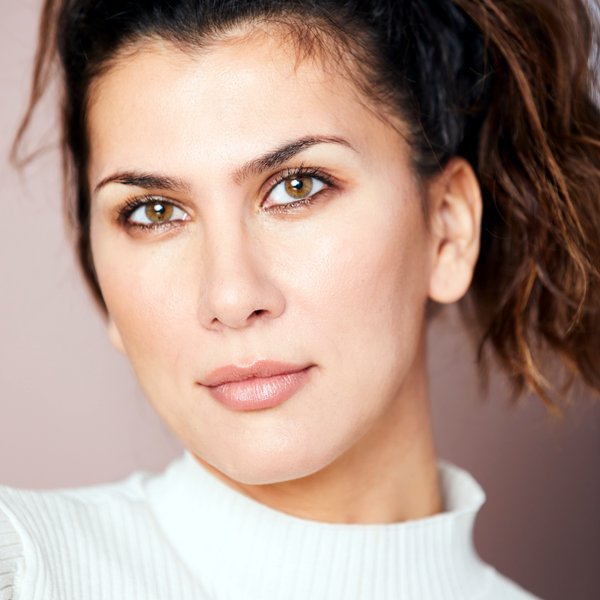

"Mittlere Reife", Germany equivalent to High School in the US · https://www.wallstreetenglish.com/
I'm passionate about empowering others to discover the beauty and practicality of new languages and cultures. Whether through traditional teaching, creative exercises, or immersive experiences, I’m eager to help you on your learning journey!
Personally vetted · Strommen’s note
A performance and voice-coaching background shapes Sofia's English and German lessons. She also teaches Greek on the side.
Specialties
"Mittlere Reife", Germany equivalent to High School in the US · https://www.wallstreetenglish.com/
I'm passionate about empowering others to discover the beauty and practicality of new languages and cultures. Whether through traditional teaching, creative exercises, or immersive experiences, I’m eager to help you on your learning journey!
Specialties
Personally vetted · Strommen’s note
A performance and voice-coaching background shapes Sofia's English and German lessons. She also teaches Greek on the side.

Aussprache lyrik — sung German
5 technical features every singer drills in German repertoire
These are the German-specific diction conventions that distinguish sung German from the Italian or French opera most singers train in first. Screenshot for your next Wagner or Strauss coaching.
-
01
ä, ö, ü: the umlauts
German umlauts require specific tongue and lip positions English doesn't train. Ä is closer to open /ɛ/ than the /æ/ English speakers default to. Ö requires the tongue position of /e/ with rounded lips. Ü requires the tongue position of /i/ with rounded lips. Sung umlauts are drilled in isolation first, then in context.
e.g. <em>schön</em> /ʃøːn/, <em>für</em> /fyːr/, <em>Mädchen</em> /ˈmɛːtçən/.
-
02
Ich-Laut vs ach-Laut
German has two variants of the ch sound. After front vowels (i, e, ö, ü), it's ich-Laut /ç/, a soft palatal fricative made at the front of the mouth. After back vowels (a, o, u) it's ach-Laut /x/, a velar fricative made at the back of the mouth. The rule is consistent but counterintuitive for non-German speakers and one of the most common dictional errors in non-native German singing.
e.g. <em>ich</em> /ɪç/ (front), <em>ach</em> /ax/ (back), <em>Nacht</em> /naxt/ (back), <em>Licht</em> /lɪçt/ (front).
-
03
Final consonant devoicing
Voiced consonants at word-end devoice in German: /d/ becomes /t/, /b/ becomes /p/, /g/ becomes /k/. Spelling stays the same but pronunciation changes. Tag sings as /taːk/, not /taːg/. Lieb sings as /liːp/. Bad sings as /baːt/. This is a fundamental feature of spoken German that carries directly into sung German, and forgetting it marks the singer as a non-native speaker immediately.
e.g. <em>Tag</em> /taːk/, <em>Lieb</em> /liːp/, <em>Sand</em> /zant/.
-
04
Knacklaut (glottal attack)
German uses a hard glottal stop before vowel-initial words in formal sung tradition (Bayreuth standard explicitly preserves it). ein Adler doesn't link as ein-adler; the second word starts with a clear glottal attack. Modern productions sometimes soften or drop the Knacklaut, but the classical tradition requires it. Singers from French or Italian repertoire often link by default and have to consciously reintroduce the glottal attack.
e.g. <em>ein alter Adler</em>: three separate words, three separate glottal attacks on the vowel-initial words.
-
05
Consonant clusters intact
German strings consonants together routinely: Strumpf, Pflicht, Herbststürme, Wirtschaft. The German operatic tradition asks singers to articulate every consonant in the cluster, not smooth them out. Italian-trained singers often default to vowel-prioritized line and lose the clusters, which collapses the German line. Targeted cluster drilling is part of any serious German repertoire coaching.
e.g. <em>Strumpf</em> /ʃtrʊmpf/: five consonants, all articulated, only one vowel.
About German Opera
Wagner, Strauss, Mozart, and the German line
German opera occupies a position in the repertoire unlike either Italian or French. The language brings consonantal weight, vowel precision, and a textual density that the music has historically taken seriously: composers from Mozart through Wagner through Strauss wrote with the assumption that the singer would land every consonant cluster, articulate every umlaut distinction, and let the orchestration breathe around the text rather than swallow it. The result is a repertoire that demands singers who understand German as a structural element of the music rather than as an obstacle to be smoothed over. Strommen's German-opera coaches work with singers at every career stage on the technical and interpretive standards the major German-language houses (Vienna State Opera, Bayreuther Festspiele, Salzburg, Berlin Staatsoper, Bayerische Staatsoper, Hamburg, Dresden) hold their casts to.
Mozart's German operas are where most singers enter the repertoire. Die Entführung aus dem Serail (1782) and Die Zauberflöte (1791) are the two central Singspiel works, with spoken dialogue alongside the sung numbers, and they sit on every emerging artist's audition list. The Mozart German line is closer to Italian-tradition lyric writing than to what Wagner would later do with the language; the consonants are still articulated but the vowel carries more of the line, and the Singspiel dialogue requires fluent spoken German technique alongside the sung work. Coaching for Mozart roles typically begins with the spoken passages because singers can hide weak German more easily in sung lines than in spoken ones, and audition panels listen for it.
Wagner's repertoire is the technical and interpretive center of German opera. Der fliegende Holländer, Tannhäuser, Lohengrin, the Ring cycle (Das Rheingold, Die Walküre, Siegfried, Götterdämmerung), Tristan und Isolde, Die Meistersinger, and Parsifal form the spine of the German operatic tradition and define entire voice categories: the Heldentenor (heroic tenor), the Wagnerian soprano, the Hochdramatischer Sopran, the Wagner bass-baritone. The vocal demands are extraordinary in both endurance (a Brünnhilde sings five hours over the course of an evening, an Isolde three and a half) and projection (Wagner's orchestration is the heaviest in the standard repertoire, with the singer required to ride over a 100-piece orchestra without amplification). The Wagner-specific declamatory style (Sprechgesang inflected, text-driven, with the orchestra carrying the symphonic argument while the voice carries the words) requires diction work that prioritizes consonantal clarity above almost everything else: the audience needs to hear the words, and if the consonants disappear, the meaning goes with them. Bayreuth-standard German is the reference point.
Strauss's operas inhabit a different stylistic world from Wagner despite the chronological overlap. Salome, Elektra, Der Rosenkavalier, Ariadne auf Naxos, Die Frau ohne Schatten, Arabella, and Capriccio represent Strauss's full range from late-Romantic shock-modernism through neo-classical conversational opera. The Hofmannsthal libretti (Strauss's collaborator on five of the major operas) carry their own German register: high literary, allusive, philosophically loaded, with text that requires both linguistic comprehension and dramatic instinct to perform credibly. Der Rosenkavalier additionally requires Viennese-dialect inflection on several characters (the Marschallin's Viennese aristocratic speech, Ochs's broader Viennese-Austrian register), which is a separate coaching layer from standard German opera diction.
The Lied tradition (Schubert, Schumann, Brahms, Wolf, Mahler, Strauss) sits alongside opera as a parallel repertoire that most German-language singers work in simultaneously. The art-song demands are different: more intimate scale, closer text-music relationship, programmatic poetic interpretation, and a vocal production that fits a recital hall rather than an opera house. Several Strommen coaches specialize across both Lied and opera, and many singers find the Lied work feeds back into their operatic technique because the text-prioritization habits developed for art song improve operatic diction substantially.
German diction for singing has a small number of features that consistently catch non-native speakers. The umlauts (ä, ö, ü) require specific tongue and lip positions that English does not train: ä is closer to the open /ɛ/ than the /æ/ English speakers default to; ö requires the tongue position of /e/ with rounded lips, foreign to English production; ü requires the tongue position of /i/ with rounded lips, also foreign. The ich-Laut and ach-Laut distinction (the two German variants of ch: ich /ç/ with the front-palate fricative, ach /x/ with the back-palate fricative) is governed by the vowel that precedes it and is one of the most common dictional mistakes in non-native German performance. The hard glottal attack (Knacklaut) before vowel-initial words is required in formal sung German (Bayreuth standard explicitly preserves it) and softened or dropped in some modern productions. The R question, as in French, depends on the production and the period: classical German tradition (Bayreuth, Vienna) uses a rolled or tapped R, while modern productions and some 20th-century repertoire allow the uvular R. Final consonant devoicing (German /d/ becoming /t/ at word-end, /b/ becoming /p/, /g/ becoming /k/) is a fundamental feature of spoken German that carries directly into sung German. Tag sings as /taːk/, not /taːg/. Coaching makes all of these systematic.
Observations from coaches on what surprises singers stepping into German repertoire for the first time. The first is usually umlaut handling, especially in the difference between ä, ö, ü production and the corresponding English vowels singers default to. The ich-Laut and ach-Laut distinction follows quickly behind, because the rule (the front /ç/ after front vowels, the back /x/ after back vowels) is consistent but counterintuitive for non-German speakers. Consonant cluster handling is the next surprise: German routinely strings four, five, or six consonants together (Strumpf, Pflichtbewusstsein, Herbststürme), and singers from Italian repertoire often try to soften these into something more comfortable, which loses the German line entirely. Final consonant devoicing catches singers off guard because it changes how familiar words look on the page versus how they sing. And the broader interpretive surprise is that German opera asks the singer to lean into the text in a way Italian repertoire generally doesn't: the audience is expected to follow the words, and the diction has to support that.
Between lessons, the historical recorded tradition is dense and indispensable. For Wagner: Birgit Nilsson, Kirsten Flagstad, Wolfgang Windgassen, Hans Hotter, Christa Ludwig in the mid-century tradition; Jonas Kaufmann, Stuart Skelton, Nina Stemme, Camilla Nylund in the contemporary one. For Mozart: Edita Gruberová, Lucia Popp, Hermann Prey, Anna Netrebko, Diana Damrau. For Strauss: Lisa della Casa, Elisabeth Schwarzkopf, Renée Fleming, Anja Harteros. For Lied: Dietrich Fischer-Dieskau remains the canonical reference, with Christian Gerhaher and Matthias Goerne as the most-listened contemporary baritones. The Bayreuth-Festival broadcasts (the streaming archive has expanded significantly since 2020) and the Vienna State Opera streams are essential viewing for stage tradition. For broader German foundations, our German course page covers the program family.
The Strommen German-opera roster includes native German diction coaches with conservatory backgrounds (typically Vienna, Munich, Berlin, Hamburg, or Leipzig training), North American opera coaches with extensive German-repertoire experience, and singers who have built second careers in coaching after professional careers in German-language houses. Each tutor's bio specifies training, professional experience, repertoire areas, and student profile fit. You can match yourself to a native German specialist for ground-up umlaut and consonant work, a Wagner specialist for the heavier Heldentenor and Hochdramatischer Sopran repertoire, a Mozart-and-Singspiel specialist if your work is in the lighter classical tradition, or a Strauss-Hofmannsthal coach for the early-20th-century repertoire. For adjacent specialties, our Italian opera and French opera pages cover the two other major operatic languages, and German Lied covers the art-song repertoire from a recital-program angle. Bring the score. Bring the libretto. Lessons start where you are.
What you'll cover
Lessons & classes tailored to German Opera
Mozart German operas and Singspiel
Die Entführung aus dem Serail, Die Zauberflöte: the central Singspiel works with spoken dialogue alongside sung numbers. Coaching covers both the lyric vocal line (closer to Italian-tradition writing than to Wagner) and the spoken-dialogue technique, since audition panels listen carefully for the spoken German. Standard reference for emerging artists and conservatory students.
Wagner: Ring, Tristan, Meistersinger, Parsifal
The technical and interpretive center of German opera. Heldentenor, Wagnerian soprano, Hochdramatischer Sopran, and Wagner bass-baritone repertoire across the full mature output. Endurance and projection demands, Sprechgesang-inflected declamation, Bayreuth-standard diction with consonantal clarity prioritized so the audience hears the text under heavy orchestration. Role-specific preparation for upcoming productions.
Strauss and the Hofmannsthal collaborations
Salome, Elektra, Der Rosenkavalier, Ariadne auf Naxos, Die Frau ohne Schatten, Arabella, Capriccio. High literary libretti, conversational-opera dialogue, plus the Viennese-dialect inflection in Rosenkavalier. Coaching includes Hofmannsthal's German register, Strauss's specific orchestrational balance, and the Vienna-stage stylistic tradition this repertoire developed in.
Audition prep, score markup, libretto translation
Short-deadline role preparation, audition aria coaching, IPA score markup, line-by-line libretto translation for recitatives and dialogue, German ear-training for non-native speakers. Coaches with experience at North American and German-Austrian houses advise beyond diction on stylistic expectations at specific companies.
FAQ
About German Opera lessons & classes
I sing Italian and French well. How is German different to coach?
Different on several technical axes. German consonant handling is heavier than either Italian or French; the language strings consonant clusters together (Strumpf, Pflicht, Herbststürme) that Italian or French wouldn't tolerate, and German operatic tradition asks for them all articulated. Umlauts have no equivalent in either language. The ich-Laut and ach-Laut distinction is German-specific. Final consonant devoicing changes how familiar words sound. And the interpretive expectation is that the audience hears every word, which prioritizes diction in ways Italian and French repertoire often don't.
I'm preparing my first Wagner role. Where do we start?
First session with the score and a clear-eyed conversation about endurance. Wagner's vocal demands are different in scale from Mozart or Strauss; a full role requires not just diction and stylistic preparation but a sustainable approach to the multi-hour sing. Coaches with Wagner experience plan the prep against your production date and your current voice profile, with diction work threaded through repertoire-pacing work. Bayreuth-standard German diction is the reference, with consonantal clarity prioritized throughout.
Do you coach the Lied tradition too?
Yes. Several coaches on the roster work across both opera and Lied. The art-song repertoire (Schubert, Schumann, Brahms, Wolf, Mahler, Strauss) has its own scale and text-music relationship distinct from operatic stage work, but the underlying German diction is the same. Many singers find that Lied work feeds back into operatic technique because the text-prioritization habits sharpen diction across the board.
Do you provide IPA transcriptions of German roles?
Yes. Standard references include the Nico Castel IPA libretto series for major German operas, the Aksel Schiøtz and Dietrich Fischer-Dieskau Lied diction traditions for art song, and Joan Wall's IPA for Singers for the German foundations. We work from those for established repertoire and build custom transcriptions for less-common roles.
Where are your German opera coaches based?
Most of the roster is in Los Angeles, matching the LA opera ecosystem (LA Opera, Long Beach Opera, Pacific Opera Project, USC Thornton, Colburn). Several coaches are based in German-speaking Europe (Vienna, Munich, Berlin, Hamburg) and elsewhere in the US (New York, Boston, San Francisco, Houston) and teach via video. For singers preparing for North American houses, LA-based coaches typically know the regional ecosystem and can advise beyond just diction.
Can I work on Viennese-dialect inflection for Rosenkavalier?
Yes. Der Rosenkavalier requires Viennese-dialect inflection on several characters (the Marschallin's aristocratic Viennese, Ochs's broader Viennese-Austrian register), which is a separate coaching layer from standard German opera diction. Coaches with Vienna training handle this directly, and the role-specific stylistic markup is part of the preparation arc.
What does the trial cover?
30 minutes, free, with the coach you select. Bring your current repertoire: a role you're preparing, an aria you're working on, a Lied from your program. The coach listens, identifies the highest-impact areas, proposes a study plan, and you decide whether to continue. Bring the score for the coach to mark up during the trial.
Ready for German Opera lessons or classes?
Book a free 30-minute trial with one of our personally vetted tutors. Private lessons or small-group classes — your choice.