



Personally vetted instructors
Intensive Russian tutors, lessons & classes
Здравствуйте zdravstvuyte The formal Russian "hello," and the register an intensive student should default to from day one.
Personally vetted Russian tutors who run accelerated, immersive programs. Lessons modeled on the discipline of FSI-style Category IV training, calibrated to adults with a fixed window (a posting, an academic semester, a TORFL deadline) and the willingness to live inside the language for months.

Your instructors
Intensive Russian tutors for private lessons & classes
Strommen is a curated boutique school and the Intensive Russian roster is the deepest end of the Russian program. Every tutor below was met and vetted by us, and the bar for the intensive track is higher: experience running compressed programs, comfort with daily contact, and the discipline to hold the schedule architecture together when students hit a wall.
Filter by location, age, or price. Then book a 30-minute free trial and tell us your deadline.
Below are the Strommen tutors who run intensive Russian programs. Photos, ratings, and rates are real. Click any card to read their bio and book a free 30-minute trial.
I want to learn…
Every tutor, personally met. — founder-vetted since 2006, in Los Angeles and online worldwide.
Get a personalized plan
Pick your language — a language advisor will match you with the right tutor and map out your path.




Bachelor's · TEFL 120h (Graded A)
Damon, the ESL teacher
Personally vetted · Strommen’s note
Damon treats every student like someone he's building a long relationship with. He teaches Chinese, English, and Russian out of Bangkok.
Specialties
Bachelor's · TEFL 120h (Graded A)
Damon, the ESL teacher
Specialties
Personally vetted · Strommen’s note
Damon treats every student like someone he's building a long relationship with. He teaches Chinese, English, and Russian out of Bangkok.
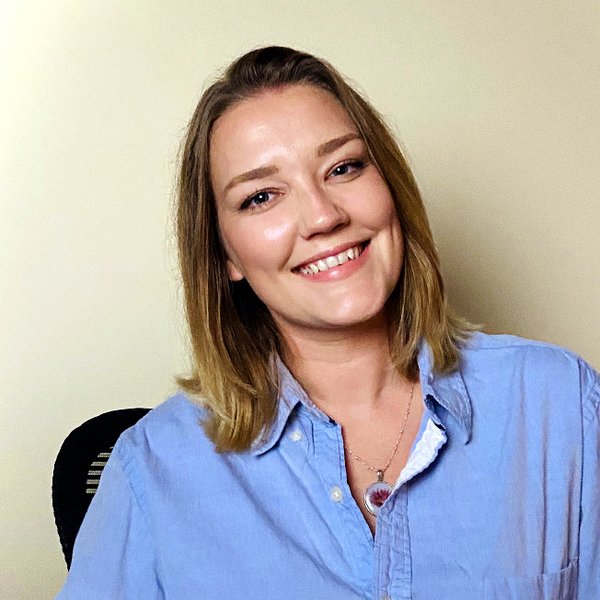
Master’s Degree of Foreign Languages, Concentration in English and French. Minor in Theatre & Choreography. PHD of Linguistics and Literary Criticism & Comparative Linguistics.
Russian Language Teacher, Dialect Coach, Translator, ESL Teacher. 10+ years of experience.
Personally vetted · Strommen’s note
A Russian dialect coach, translator, and teacher rolled into one, Anastasia has ten-plus years in and treats English and Russian as one connected skill set.
Specialties
Master’s Degree of Foreign Languages, Concentration in English and French. Minor in Theatre & Choreography. PHD of Linguistics and Literary Criticism & Comparative Linguistics.
Russian Language Teacher, Dialect Coach, Translator, ESL Teacher. 10+ years of experience.
Specialties
Personally vetted · Strommen’s note
A Russian dialect coach, translator, and teacher rolled into one, Anastasia has ten-plus years in and treats English and Russian as one connected skill set.
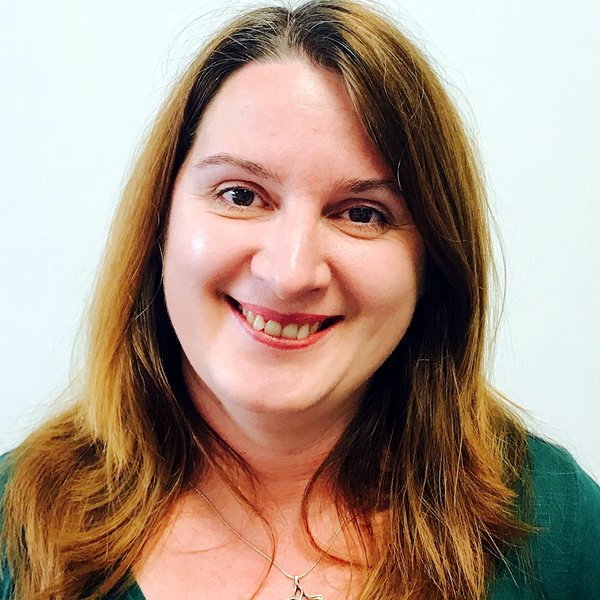
MA in teaching International Culture and History
Russian teacher with MA in teaching International Culture and History - Experienced Russian Tutor in Mar Vista, CA
Personally vetted · Strommen’s note
Maria holds an MA in international culture and history and is based in Mar Vista. She custom-builds Russian curriculum around group dynamics as much as level.
Specialties
MA in teaching International Culture and History
Russian teacher with MA in teaching International Culture and History - Experienced Russian Tutor in Mar Vista, CA
Specialties
Personally vetted · Strommen’s note
Maria holds an MA in international culture and history and is based in Mar Vista. She custom-builds Russian curriculum around group dynamics as much as level.
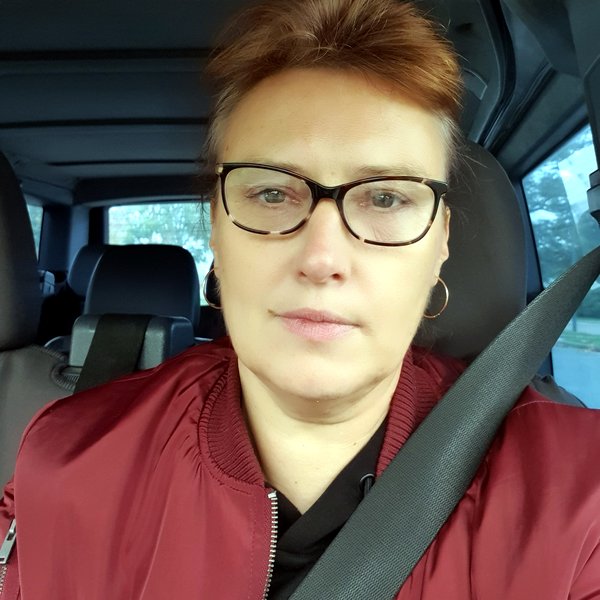
University diploma, department of foreign languages, teacher of English and German languages · Cambridge Certificate of Teaching English on-line
Hi there! You're welcome to my entertaining, interactive and productive English lessons on-line!
Specialties
University diploma, department of foreign languages, teacher of English and German languages · Cambridge Certificate of Teaching English on-line
Hi there! You're welcome to my entertaining, interactive and productive English lessons on-line!
Specialties

BA in Russian Language and LiteratureBA in English LiteraturePh.D. in Comparative LiteratureCertificate in Teaching Russian as a Foreign LanguageCertificate in Teaching ESL / EFL to Speakers of Other LanguagesCertificate in Teaching Business ESL
Embark on Your Language Odyssey: Expert Guidance from Tatyana, Your Native Speaker & Ph.D
Specialties
BA in Russian Language and LiteratureBA in English LiteraturePh.D. in Comparative LiteratureCertificate in Teaching Russian as a Foreign LanguageCertificate in Teaching ESL / EFL to Speakers of Other LanguagesCertificate in Teaching Business ESL
Embark on Your Language Odyssey: Expert Guidance from Tatyana, Your Native Speaker & Ph.D
Specialties
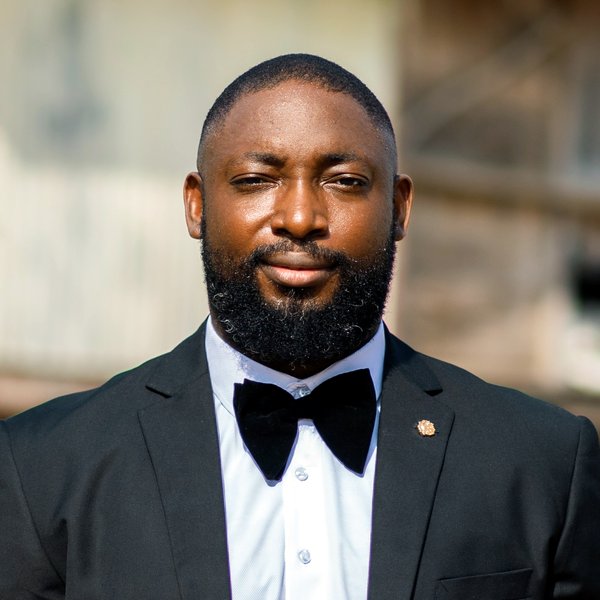
Masters degree
Study hard - Get Results
Personally vetted · Strommen’s note
Teaching Russian out of Osogbo, Nigeria, Iyanu starts every lesson by gauging exactly where a student's level actually sits.
Specialties
Also speaks: English
Masters degree
Study hard - Get Results
Specialties
I also speak: English
Personally vetted · Strommen’s note
Teaching Russian out of Osogbo, Nigeria, Iyanu starts every lesson by gauging exactly where a student's level actually sits.
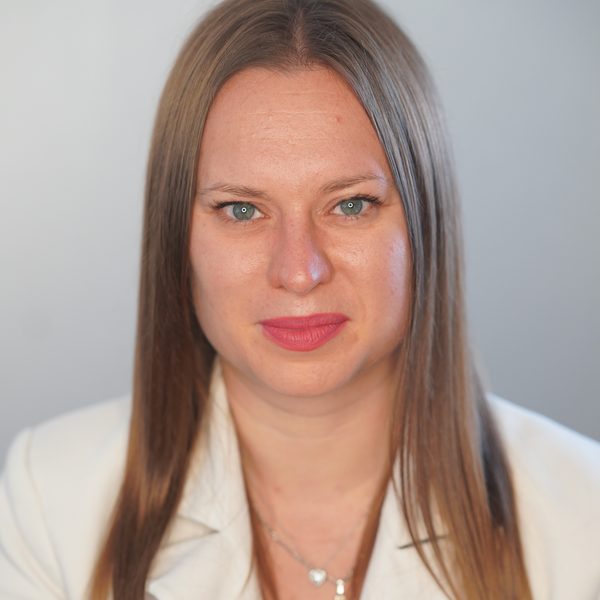
Specialization (5 years) at Blagoveshchensk State Pedagogical University Major - Chinese language teacher with an additional specialty as an English language teacher.Postgraduate studies at the Moscow State University of Management, Faculty of Philoso... · 1) Diploma from Blagoveshchensk State Pedagogical University, majoring in Chinese language teacher with an additional specialty as an English language teacher. 2) Certificate of advanced training issued by Moscow State Linguistic University, awarded f...
Chinese language, Mandarin, Chinese tutor, Mandarin tutor,
Specialties
Specialization (5 years) at Blagoveshchensk State Pedagogical University Major - Chinese language teacher with an additional specialty as an English language teacher.Postgraduate studies at the Moscow State University of Management, Faculty of Philoso... · 1) Diploma from Blagoveshchensk State Pedagogical University, majoring in Chinese language teacher with an additional specialty as an English language teacher. 2) Certificate of advanced training issued by Moscow State Linguistic University, awarded f...
Chinese language, Mandarin, Chinese tutor, Mandarin tutor,
Specialties
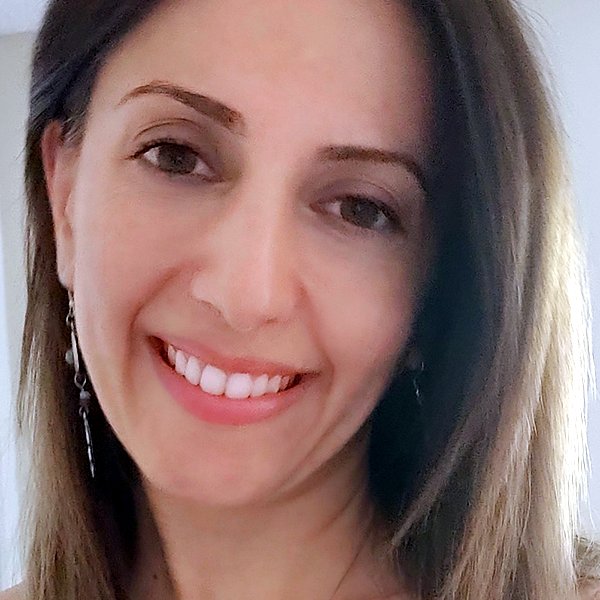


BA and MA in Arabic Studies, PhD in Philology (Arabic & Hebrew Studies)
Polyglot tutor with 15 years’ experience in Armenian, Arabic, Hebrew, and Russian
Personally vetted · Strommen’s note
Alvina holds a BA and MA in Arabic Studies and has spent fifteen years teaching Arabic, Hebrew, Russian, and Armenian, genuinely rare range in one tutor.
Specialties
BA and MA in Arabic Studies, PhD in Philology (Arabic & Hebrew Studies)
Polyglot tutor with 15 years’ experience in Armenian, Arabic, Hebrew, and Russian
Specialties
Personally vetted · Strommen’s note
Alvina holds a BA and MA in Arabic Studies and has spent fifteen years teaching Arabic, Hebrew, Russian, and Armenian, genuinely rare range in one tutor.
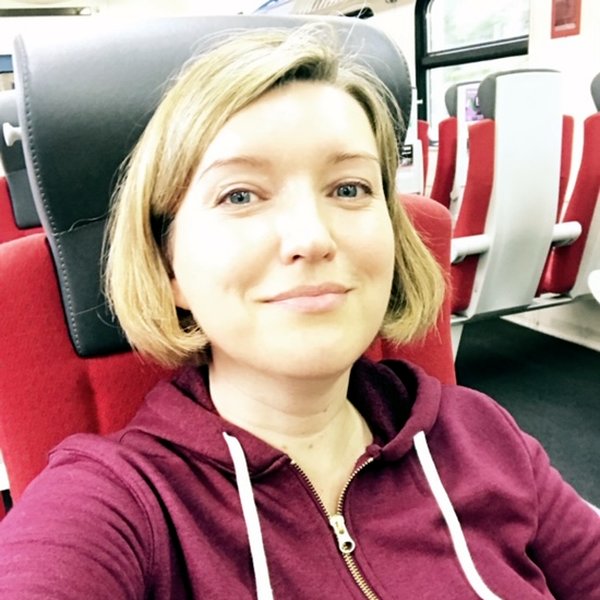

Masters in Linguistics · Masters in Linguistics, PFUR, Moscow, Russia, 2001
Native Russian Tutor with Over 20 Years of Experience
Personally vetted · Strommen’s note
A Russian native with a linguistics master's and more than twenty years teaching, Katya won't rush a student past where they're actually ready.
Specialties
Masters in Linguistics · Masters in Linguistics, PFUR, Moscow, Russia, 2001
Native Russian Tutor with Over 20 Years of Experience
Specialties
Personally vetted · Strommen’s note
A Russian native with a linguistics master's and more than twenty years teaching, Katya won't rush a student past where they're actually ready.

Погружение — immersion essentials
5 things to know before starting Intensive Russian
These are the framing pieces a tutor lays out at the trial before any intensive plan gets built. Screenshot them, then book a tutor to discuss the deadline and the schedule.
-
01
FSI Category IV
The Foreign Service Institute classifies Russian as Category IV (1,100 classroom hours to professional working proficiency), grouping it with Polish, Czech, Serbian, and Vietnamese. By comparison, French is Category I at roughly 600 hours. The 1,100-hour figure is what an intensive program compresses, and it is the honest baseline for setting expectations and deadlines.
e.g. 1,100 contact hours plus comparable self-study, compressed from years into months
-
02
ТРКИ TORFL
The Russian state proficiency exam (Тест по русскому языку как иностранному), administered by the Pushkin Institute and recognized internationally. Runs A1 through C2 plus a Fourth Certificate. Many intensive programs anchor their calendar to a specific TORFL test date, which gives the study schedule a hard deadline and the student a concrete credential at the end.
e.g. A1 (elementary) → B1 (basic) → B2 (intermediate) → C1 (advanced) → C2 (mastery)
-
03
Совершенный / несовершенный вид
Perfective and imperfective verb aspect, the second defining feature of Russian grammar after the cases. Every Russian verb a learner encounters has to be acquired as a pair (читать / прочитать, писать / написать), and choosing the right aspect in a given sentence is closer to a grammatical decision than a vocabulary one. Intensive programs introduce aspect from week six onward and treat it as a maintenance topic for the rest of the program.
e.g. Я читал книгу (imperfective, was reading) vs Я прочитал книгу (perfective, finished reading)
-
04
Глаголы движения
Verbs of motion. The system where every verb of going splits into unidirectional and multidirectional pairs (идти / ходить, ехать / ездить, лететь / летать), with prefixes layered on top to produce came-in, came-out, passed-through, went-around, and a dozen more. The reason intermediate Russian students plateau, and the reason intensive programs sequence motion verbs as the late-program centerpiece they are.
e.g. Я иду в магазин (going to the store now) vs Я хожу в магазин (I go to the store regularly)
-
05
Только по-русски tolko po-russki
"Russian only." The classroom protocol most intensive programs adopt from week two or three onward: tutor and student conduct lessons exclusively in Russian, with English permitted only for the briefest grammar clarifications. Uncomfortable for the first month, natural by the second, and the single most important compounding-driver in an intensive curriculum.
e.g. From week three: greetings, instructions, corrections, and casual exchanges all in Russian
About Intensive Russian
Russian on a compressed timeline
Intensive Russian is a different undertaking from weekly tutoring, and it is worth being honest about that from the first paragraph. The Foreign Service Institute, which has trained American diplomats in Russian for seven decades, classifies the language as Category IV: roughly 1,100 classroom hours to reach professional working proficiency for a motivated adult with no prior background, plus a comparable number of self-study hours. By contrast, FSI rates French at Category I, around 600 hours. Intensive Russian programs compress that 1,100-hour curve into months rather than years through daily multi-hour study, full-immersion conditions where possible, and a structured plan that takes the cases, the verb aspect system, and the verbs of motion in a sequence designed for compounding rather than mere coverage. Students who succeed in intensive Russian tend to share three traits: a fixed external deadline that anchors the discipline, the bandwidth to put Russian above most other commitments for the duration, and a tutor or tutor-team capable of running both the language instruction and the schedule architecture that makes intensive work sustainable.
The deadlines that drive intensive Russian study tend to fall into a small number of categories. There is the posting: a diplomatic, NGO, journalism, or corporate assignment to Moscow, St. Petersburg, or another Russophone capital, with the start date six to twelve months out. There is the academic semester: an exchange to a Russian-program university or a graduate program in Slavic studies, Russian history, comparative literature, or political science, where the language has to be at working level by the start of the term. There is the TORFL credential (Тест по русскому языку как иностранному, the Russian state proficiency exam), required for university admission in Russia or for certain professional applications, with administered test dates that anchor the prep calendar. There is the immersion summer: a six-or-eight-week program at Middlebury, ACTR, Norwich, the Pushkin Institute, or one of the surviving language schools in the Baltic states, where students arrive expected to function. And there is the personal-discipline case: an adult who has decided that adding Russian at intensive pace fits their next year better than spreading it over five, often a heritage learner formalizing what they have absorbed, or a translator-in-training, or a researcher building academic reading capacity. Tutors calibrate the intensive plan to which of those categories applies.
The weekly architecture of an intensive Russian program varies but the high-functioning shape looks roughly like this: 8 to 15 hours of one-on-one or small-group tutor contact per week, plus 15 to 30 hours of structured self-study (textbook work, audio drilling, reading, writing, vocabulary maintenance), plus daily exposure to native content (news, podcasts, film, conversation partners). The contact hours split between grammar work, conversation practice, reading and writing under tutor correction, and listening comprehension. The self-study hours absorb what the contact hours introduce. Without the self-study load, contact-only programs produce students who recognize the grammar in the tutor's presence and forget it within the week. Without the contact hours, self-study alone produces students who develop fossilized errors that take years to undo. The combination is the curve that works, and a tutor running an intensive program owns both sides of it, not just the lesson hour.
The sequence of grammar topics in an intensive plan is not the same as in a weekly course, because intensive students can absorb structural ideas faster than weekly students and the gains compound when the next layer arrives before the previous one fades. A canonical intensive sequence runs: alphabet and pronunciation in week one (rather than the three-to-four weeks of a weekly course), the nominative and accusative cases plus present tense by week three, the prepositional case and basic past tense by week five, the genitive case by week seven, the dative and instrumental cases by week nine, and the full case system in active use by week twelve, with verb aspect introduced in parallel from week six onward. Verbs of motion arrive in week ten through twelve and continue as a maintenance topic for the remainder of the program. By the end of the third month, an intensive student is reading short adapted texts, holding ten-minute conversations on familiar topics, and writing paragraph-length responses with reasonably accurate case morphology. By the end of the sixth month, they are reading unadapted journalism, sustaining conversations on professional or academic topics, and writing pages with the case system reflexive rather than calculated. These are aggressive targets and they assume the full study load is being put in; partial commitment produces partial timelines.
The immersive component is what distinguishes intensive Russian from merely-frequent Russian, and there are several ways tutors build it. The classroom-Russian-only protocol is the most basic: from week two or three onward, tutor and student conduct lessons exclusively in Russian, with English permitted only for the briefest grammar clarifications. This is uncomfortable for the first month and natural by the second. The daily-life-Russian wedge layers in next: students are asked to think in Russian for designated blocks of the day, to keep a Russian-language journal, to switch their phone's language interface to Russian, to consume an hour of native content daily. The cohort-immersion option, where intensive students join a small group for sustained-Russian conversation and share the discipline of the daily exposure quota, often accelerates progress noticeably. The full-immersion option, attending a residential summer program at Middlebury or the Pushkin Institute, telescopes months of work into weeks for students whose schedule allows it. A Strommen intensive tutor will help you design the immersion plan around your real life, since the heaviest immersion model is not always the right one for a student with a demanding day job.
The literature-as-immersion path deserves its own paragraph because it is one of the most effective ways to accelerate Russian reading and the affective relationship with the language. The standard intensive sequence starts students on Chekhov's short stories around month three, because Chekhov writes the most accessible Russian of the major nineteenth-century writers and his stories are short enough to be tackled one per week. From there the path runs through twentieth-century writers (Платонов, Бабель, Шаламов, Солженицын) and contemporary fiction (Татьяна Толстая, Людмила Улицкая, Михаил Шишкин, Гузель Яхина), with Tolstoy and Dostoyevsky often reserved for after the program ends because the long novels are projects unto themselves. Reading literature in the original is a different curve from reading newspapers; literature exercises the high-register vocabulary, the older case constructions that survive in formal prose, and the cultural references that Russian society shares as common knowledge. Intensive students who add literature to their daily plan often surprise themselves with how quickly the reading speed builds once they get past the initial dictionary-heavy weeks.
A candid word on attrition. Intensive Russian programs have meaningful dropout rates, and the dropout is rarely about intelligence or aptitude. The students who do not complete typically run into one of three walls. The first is the case-system frustration around month two or three, when the genitive arrives on top of the accusative and the prepositional and the cognitive load briefly feels unsustainable; this passes with patient pacing and is largely the tutor's job to manage. The second is the life-collision wall, when a job promotion, a relationship change, a family emergency, or just the accumulated tiredness of three months of intensive study makes the daily commitment untenable; this is where a tutor's job shifts from teacher to coach, and where honest negotiation about reducing the intensity rather than abandoning the language tends to produce the best outcomes. The third is the immersion-resistance wall, where a student finds that the Russian-only classroom protocol or the daily exposure quota is genuinely intolerable; this is a real signal, not a character flaw, and a tutor can adjust the program toward less immersive but more sustainable progress. Honesty about which of these walls you may hit lets the tutor and the program design for them in advance.
The Strommen Intensive Russian roster includes tutors trained for compressed-timeline work, including some with experience running diplomatic-track, academic-track, and corporate-relocation programs. Tutors with a more conversational lean are listed on the Conversational Russian page; absolute beginners ready to enter intensive work from zero should review the Russian for Beginners page and discuss with us whether an intensive entry makes sense or whether a weekly ramp-up is wiser given your timeline. The broader program is on the main Russian page, and the full Strommen roster across languages is on the tutor directory. Free 30-minute trial. Bring your deadline and your real weekly availability; intensive plans live or die on the schedule math.
What you'll cover
Lessons & classes tailored to Intensive Russian
Compressed grammar sequencing
Cases introduced on an aggressive but learnable curve: alphabet and pronunciation in week one, nominative and accusative plus present tense by week three, prepositional and basic past tense by week five, genitive by week seven, dative and instrumental by week nine, full case system in active use by week twelve. Verb aspect from week six onward, verbs of motion from week ten. The sequencing assumes daily study and compounds aggressively when the load is sustained.
Russian-only immersion protocol
From week two or three, lessons conducted exclusively in Russian. Layered with daily-life immersion (Russian-language phone interface, Russian journaling, an hour of native content daily) and optional cohort-immersion blocks. The immersive component is what distinguishes intensive Russian from merely-frequent Russian, and tutors help design the immersion plan around your real life rather than imposing a one-size protocol.
Literature and academic reading on the intensive curve
Chekhov short stories starting around month three, twentieth-century writers (Platonov, Babel, Shalamov) through month six, contemporary fiction (Tolstaya, Ulitskaya, Shishkin, Yakhina) and academic prose layered in as reading speed builds. Literature exercises the high-register vocabulary and older case constructions that survive in formal prose, and it builds reading speed faster than newspaper-only diets do.
Deadline-anchored planning: posting, semester, TORFL
The intensive plan reverse-engineers from your deadline. Diplomatic or NGO posting six months out, academic semester start in three months, TORFL test date with a fixed administration window, immersion-summer arrival at Middlebury or the Pushkin Institute. Tutors build the weekly architecture (8 to 15 contact hours, 15 to 30 self-study hours) around the deadline and adjust as life collisions hit.
FAQ
About Intensive Russian lessons & classes
How many hours per week does an intensive Russian program require?
The high-functioning shape is 8 to 15 hours of one-on-one tutor contact per week, plus 15 to 30 hours of structured self-study (textbook work, audio drilling, reading, writing, vocabulary maintenance), plus daily exposure to native content. Programs at the lower end of that range (8 contact, 15 self-study) still qualify as intensive and produce real gains; programs at the upper end (15 contact, 30 self-study) approximate a full-time language commitment and produce the fastest progress. Honest assessment of what you can actually sustain matters more than aiming high and burning out by month two.
Realistically, how far can I get in six months of intensive Russian from zero?
With the full intensive load (10 to 15 contact hours weekly plus matching self-study), most students reach the equivalent of TORFL A2 to B1 in six months: able to read unadapted journalism with effort, sustain conversations on familiar topics, write paragraph-length responses with mostly accurate case morphology, and follow much of native-speed spoken Russian when the topic is familiar. B2 (intermediate proficiency, the level many academic programs require) is usually a 9-to-12-month intensive target from zero. Going from B2 to C1 (advanced) is another 9-to-12-month investment, often best done partially in-country.
Is intensive Russian appropriate for an absolute beginner, or should I do weekly lessons first?
Both paths work, and the right one depends on your deadline and your bandwidth. Absolute beginners with a hard deadline 6 to 12 months out (a posting, a semester start, a planned move) usually benefit from an intensive entry, because the compressed sequencing compounds faster than a slow start would. Absolute beginners without an external deadline often do better with a 2 to 4 month weekly ramp-up before going intensive, to build the foundation comfortably and confirm that Russian is a good fit before committing to the heavy schedule. The trial conversation is where this decision gets made.
Are your intensive Russian tutors native speakers?
Most are native speakers, and the rest are longtime fluent teachers with formal training and substantial experience running compressed programs. The bios specify backgrounds. The intensive track has a higher bar than weekly tutoring: comfort with daily contact, experience holding immersion protocols, and the discipline to manage schedule architecture when students hit a wall. Tutors on the intensive roster have cleared that bar.
Can intensive lessons happen online, or do they need to be in person?
Both work. Online via Zoom or Jitsi is the norm for most intensive students because the daily-or-near-daily contact schedule is easier to sustain when lessons happen from home and travel time is eliminated. Audio quality is fine for the conversation work, screen-sharing handles vocabulary and grammar drills, and shared documents work for writing correction. In-person lessons in the Los Angeles area are possible for students who prefer face-to-face energy. Hybrid plans (in-person twice a week, online for the rest) are common.
What if life collides with the program halfway through?
Honest answer: this happens to a meaningful percentage of intensive students, and the right move is usually to negotiate down the intensity rather than abandon the language. A student who hits a job promotion, a family emergency, or just three-month accumulated tiredness is better served by dropping from 12 contact hours to 6 for a couple of months and keeping the daily exposure habit alive than by going to zero and trying to restart later. Tutors on the intensive roster are coaches as well as teachers and most have managed dozens of mid-program adjustments. Tell us when life shifts and we will replan.
I want to take the TORFL exam. Can the intensive program prepare me for a specific level?
Yes. TORFL prep is one of the most common intensive deadlines. The exam is administered by the Pushkin State Russian Language Institute and recognized internationally. Tutors with TORFL experience build the program around the test date, calibrate the four-skill balance (reading, listening, writing, speaking) to match the exam, and run practice tests in the final weeks. The specific level (A1 through C2) depends on your starting point and your timeline; the trial conversation establishes both.
What does the free trial cover?
30 minutes, no cost, with the tutor you select. For intensive prospects we use the trial to establish three things: your deadline (and how fixed it is), your real weekly availability (hours of contact and hours of self-study you can sustain), and your tolerance for the immersion protocols that drive the fastest progress. The tutor proposes a draft intensive plan calibrated to those three inputs, you discuss the trade-offs, and you decide whether to continue. Intensive plans live or die on the schedule math, and the trial exists largely to do that math honestly together.
Ready for Intensive Russian lessons or classes?
Book a free 30-minute trial with one of our personally vetted tutors. Private lessons or small-group classes — your choice.