



Personally vetted instructors
Arabic Literature tutors, lessons & classes
أهلاً وسهلاً Ahlan wa-sahlan, the welcome that opens a thousand-year canon.
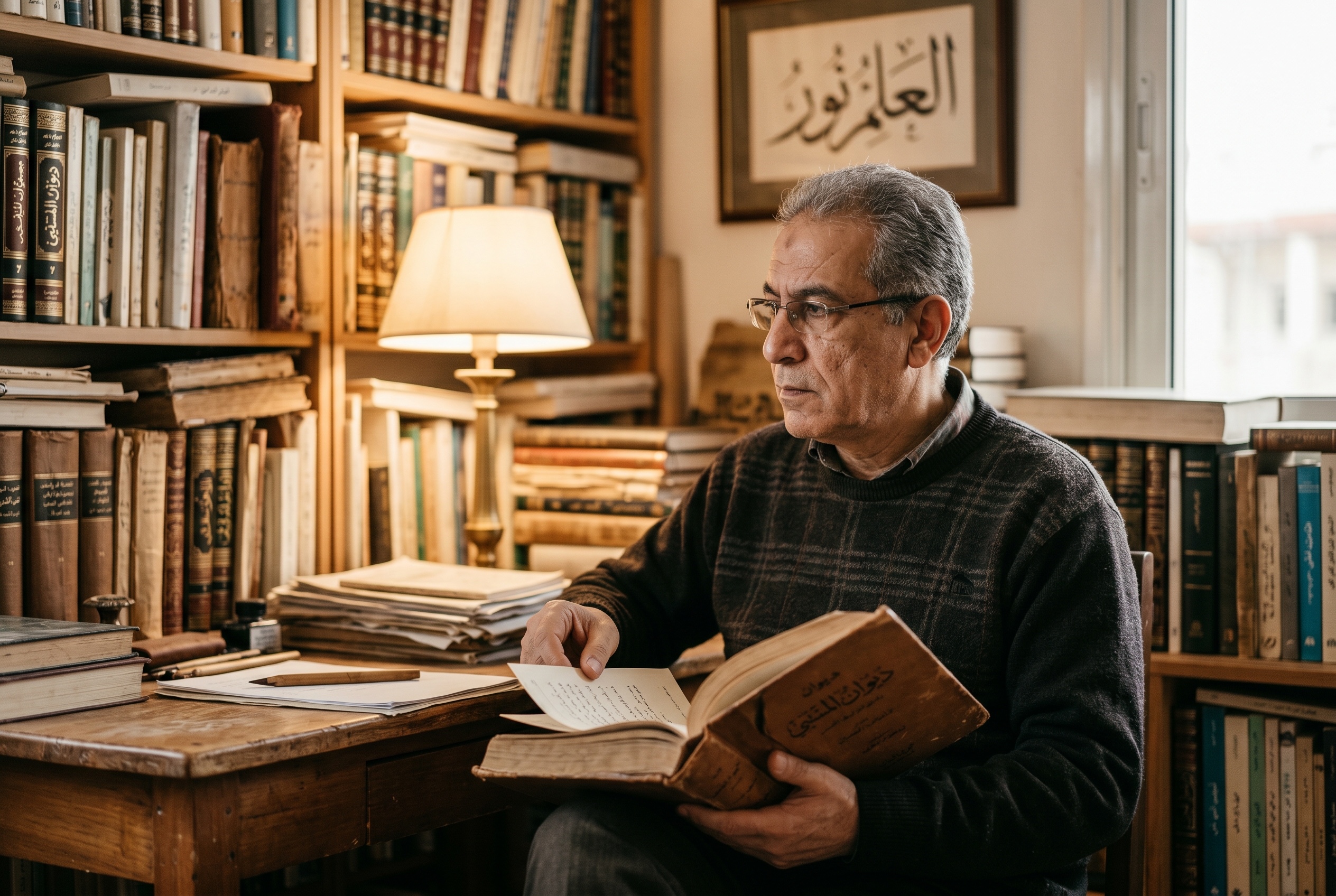
Personally vetted tutors who read Arabic literature for a living and teach students to read it too. Lessons that move from accessible modern fiction toward the classical canon at a pace that fits your level.
Your instructors
Arabic Literature tutors for private lessons & classes
Some of the tutors below studied Arabic literature formally; some are writers and translators working in the language; all of them read the canon for their own pleasure, not only for work. That shows up in how they teach a text. Every one of them was met and vetted by Strommen directly, with their reading background and teaching history checked before they were listed, because a literature track depends on a tutor who has genuinely read the books.
Filter by location, age, or price, then book a free 30-minute trial to talk through what you want to read.
Below are the Strommen tutors who teach Arabic Literature. Photos, ratings, and rates are real. Click any card to read a tutor's background and book a free 30-minute trial.
I want to learn…
Every tutor, personally met. — founder-vetted since 2006, in Los Angeles and online worldwide.
Get a personalized plan
Pick your language — a language advisor will match you with the right tutor and map out your path.

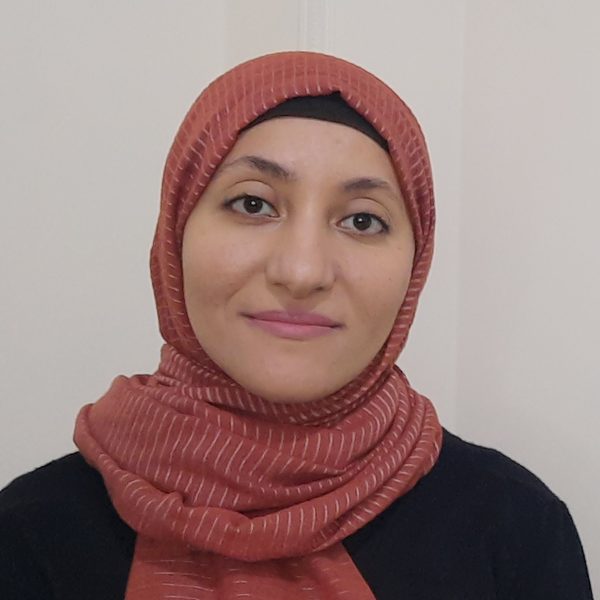
A master degree in Education in Teaching Arabic language to non Arabic speakers
Arabic language teacher (Modern standard, and Egyptian Arabic)
Personally vetted · Strommen’s note
Somaia teaches both Modern Standard and Egyptian Arabic, useful if you need the textbook version and the way people actually talk.
Specialties
A master degree in Education in Teaching Arabic language to non Arabic speakers
Arabic language teacher (Modern standard, and Egyptian Arabic)
Specialties
Personally vetted · Strommen’s note
Somaia teaches both Modern Standard and Egyptian Arabic, useful if you need the textbook version and the way people actually talk.
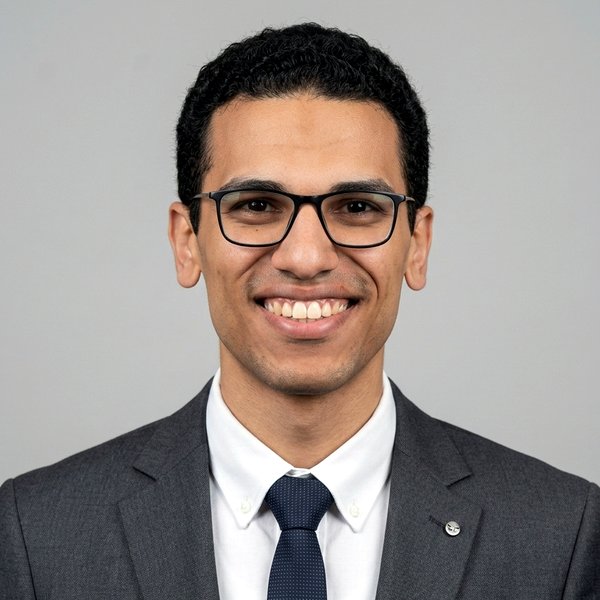


Bachelor of Education (B.Ed.) and pursuing a degree in Aerospace Engineering. · I have a TEFL certification | Certifications in Adobe Graphic Design (Level 1 & 2) for interactive presentations and educational materials.
English, German, and Arabic classes
Personally vetted · Strommen’s note
Arabic, English, and German sit alongside AP Calculus and AP Physics on Omar's schedule, a genuinely rare tutor who crosses from language straight into STEM.
Specialties
Also speaks: French, Italian, Spanish
Bachelor of Education (B.Ed.) and pursuing a degree in Aerospace Engineering. · I have a TEFL certification | Certifications in Adobe Graphic Design (Level 1 & 2) for interactive presentations and educational materials.
English, German, and Arabic classes
Specialties
I also speak: French, Italian, Spanish
Personally vetted · Strommen’s note
Arabic, English, and German sit alongside AP Calculus and AP Physics on Omar's schedule, a genuinely rare tutor who crosses from language straight into STEM.
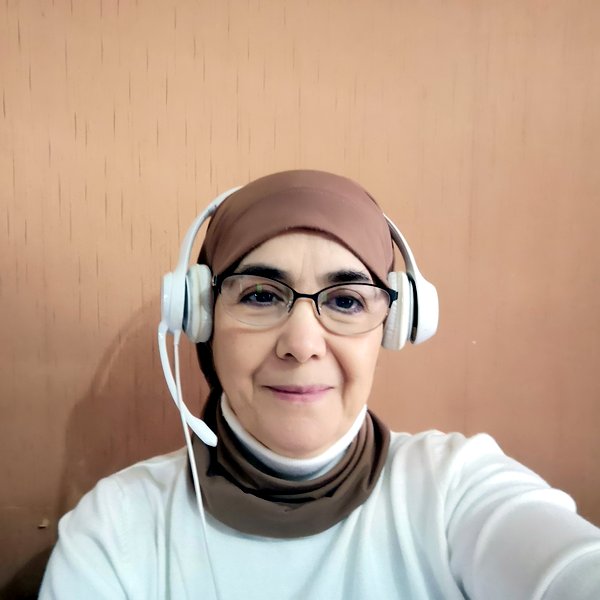
University Degree
Helping students learn with clarity, confidence, and motivation
Personally vetted · Strommen’s note
Quebec-based, Rahma teaches Arabic and French together, four Maghreb dialects covered, Algerian through Libyan.
Specialties
Also speaks: English
University Degree
Helping students learn with clarity, confidence, and motivation
Specialties
I also speak: English
Personally vetted · Strommen’s note
Quebec-based, Rahma teaches Arabic and French together, four Maghreb dialects covered, Algerian through Libyan.

Bachelor degree in french studiesMaster's degree in french studies · DALF C2
Online certified french tutor delf/DALF/ TEF/TCF Preparation
Personally vetted · Strommen’s note
Hela has taught French and Arabic for thirteen years, DELF, DALF, TEF, and TCF certification prep included, plus four different Maghreb Arabic dialects.
Specialties
Bachelor degree in french studiesMaster's degree in french studies · DALF C2
Online certified french tutor delf/DALF/ TEF/TCF Preparation
Specialties
Personally vetted · Strommen’s note
Hela has taught French and Arabic for thirteen years, DELF, DALF, TEF, and TCF certification prep included, plus four different Maghreb Arabic dialects.
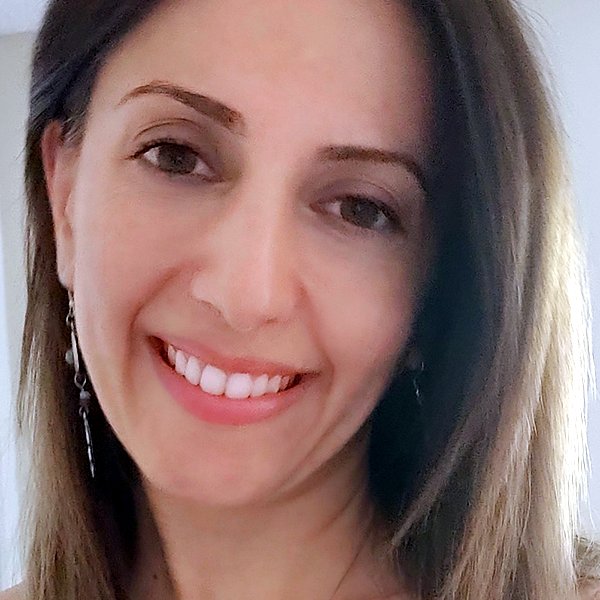

BA and MA in Arabic Studies, PhD in Philology (Arabic & Hebrew Studies)
Polyglot tutor with 15 years’ experience in Armenian, Arabic, Hebrew, and Russian
Personally vetted · Strommen’s note
Alvina holds a BA and MA in Arabic Studies and has spent fifteen years teaching Arabic, Hebrew, Russian, and Armenian, genuinely rare range in one tutor.
Specialties
BA and MA in Arabic Studies, PhD in Philology (Arabic & Hebrew Studies)
Polyglot tutor with 15 years’ experience in Armenian, Arabic, Hebrew, and Russian
Specialties
Personally vetted · Strommen’s note
Alvina holds a BA and MA in Arabic Studies and has spent fifteen years teaching Arabic, Hebrew, Russian, and Armenian, genuinely rare range in one tutor.

الأدب — canon & cultural touchstones
5 touchstones of the Arabic literary canon
These are the works and writers that anchor a literature student's first years of reading. Knowing what each one is, and where it sits, helps you talk with a tutor about where to start.
-
01
المعلقات · al-Muʿallaqāt
"The Hanging Odes," the foundational secular monuments of Arabic literature. Seven long pre-Islamic odes, the qaṣīda form, by poets including Imru' al-Qays and ʿAntara ibn Shaddād. They sit at the classical apex of any reading progression, not the start.
e.g. Tradition holds the odes were hung in gold-letter calligraphy on the Kaʿba in Mecca.
-
02
ألف ليلة وليلة · Alf Layla wa-Layla
"The Thousand and One Nights." A layered compilation of folktales drawn from Persian, Arabic, Indian, and Egyptian sources, held together by the frame story of Scheherazade. Most readers meet it in modern abridged editions before approaching the scholarly unabridged texts.
e.g. The unabridged Bulaq and Calcutta editions are advanced, classical-register reading.
-
03
نجيب محفوظ · Najīb Maḥfūẓ
Naguib Mahfouz (1911-2006), the only Arabic-language Nobel laureate, awarded the prize in 1988. His Cairo Trilogy is the standard advanced-Arabic literary entry, and his short stories are common stepping stones for lower-intermediate readers.
e.g. The Cairo Trilogy: Bayna al-Qaṣrayn, Qaṣr al-Shawq, and al-Sukkariyya.
-
04
محمود درويش · Maḥmūd Darwīsh
Mahmoud Darwish (1941-2008), the defining Arab poet of the late twentieth century. His earlier work is reachable for intermediate readers; his late poems carry the most literary modern register and reward close work with a tutor.
e.g. Sajjil Anā ʿArabī ("Identity Card") is among the most widely read modern Arabic poems.
-
05
موسم الهجرة إلى الشمال · Mawsim al-Hijra ilā al-Shamāl
"Season of Migration to the North" by the Sudanese novelist al-Ṭayyib Ṣāliḥ (Tayeb Salih). One of the most-taught Arabic novels in world literature and a common mid-intermediate target once a reader has built some stamina.
e.g. Often read alongside Taha Hussein's autobiography al-Ayyām at the same level.
About Arabic Literature
A canon that rewards patience
Arabic literature is one of the longest continuous literary traditions on the planet, and learning to read it is a genuinely different project from learning to speak Arabic. The canon stretches from the pre-Islamic odes through the Abbasid prose masters to a modern novel that won the only Nobel Prize for Literature ever awarded in the language. A tutor for this specialty is teaching you to read across registers: the high Classical Arabic (al-ʿArabiyya al-fuṣḥā al-turāthiyya) of the old poets, the Modern Standard Arabic of twentieth-century fiction, and occasionally the dialect that surfaces in modern theater and contemporary dialogue. That range is the whole point of the track, and it is also why a generalist conversation tutor is the wrong fit for it.
The reason a literature-focused tutor matters is that the texts do not arrive in difficulty order. A student who has finished a conversation course can pick up a contemporary novel and find it surprisingly readable, then open the Muʿallaqāt and hit a wall of vocabulary and syntax that no textbook prepared them for. Classical Arabic carries a higher-register lexicon and some syntactic habits that diverge from the modern written language, even though the two share their grammatical core. Most modern Arabic readers can work through Classical texts with effort, but effort is the operative word, and the effort is uneven. A good tutor sequences the reading so the wall arrives at the right time, with the right preparation, instead of stopping a motivated student cold.
Most students who come to Strommen for Arabic Literature already have a level of Arabic and a specific destination in mind. Some are heritage speakers who can talk fluently with family but were never taught to read the canon their grandparents grew up with, and who feel that gap. Some are graduate students who need to read primary sources in the original rather than rely on translation. Some are translators building their range, or writers who want the cadence of literary Arabic in their ear, or simply readers who finished Naguib Mahfouz in English and wanted the Arabic. The tutors below calibrate to that destination. Reading the Cairo Trilogy is a different lesson plan from reading Mahmoud Darwish, and both are different again from working through Ibn Khaldūn's Muqaddima or the rhymed prose of the classical period.
There is a practical reading-level progression that experienced tutors lean on, and it is worth knowing before your first lesson so you can talk about where you fit. The stepping stones are accessible modern prose: Mahfouz's short stories, Alaa Al Aswany for a contemporary setting and accessible register, Ghassan Kanafani's clear and economical Palestinian stories. Mid-intermediate work means longer and denser texts. This is where the Cairo Trilogy itself sits, alongside Taha Hussein's autobiography al-Ayyām, often called the standard intermediate-advanced reading entry, and Tayeb Salih's Mawsim al-Hijra ilā al-Shamāl, one of the most-taught Arabic novels anywhere. Advanced reading brings ʿAbd al-Raḥmān Munīf's Cities of Salt, Elias Khoury's Bāb al-Shams, and modern poetry, where Darwish is reachable and Adonis is famously dense. The classical apex sits at the far end: the Muʿallaqāt, al-Mutanabbī, Ibn Khaldūn's Muqaddima, the unabridged Thousand and One Nights. A tutor will not march you straight up that ladder. They will read alongside you, slow down where the text earns it, and let you double back to consolidate before climbing again.
There is a cultural literacy that comes with the reading, and tutors fold it in as they go. You cannot read modern Arabic poetry without some sense of what the qaṣīda tradition behind it sounds like, or read Mahfouz without the social texture of mid-century Cairo, or understand why Tayeb Salih's novel is taught in three continents' classrooms. A literature tutor is also, quietly, teaching literary history: who answered whom, which writer broke which form, where the free-verse movement of the 1950s came from. That context is not decoration. It is what turns a difficult page into a readable one, because so much of reading at this level is knowing what kind of thing you are looking at.
Two difficulties account for most of where American students stall in literary Arabic, and they reinforce each other. One is morphological. Arabic builds words from three-consonant roots run through fixed patterns, and a student who memorizes each word as a random string instead of a root-pattern derivation finds that vocabulary never compounds, so every page of a novel reads like the first page. The other is the gap between vocalized and unvocalized text: textbooks print the short vowels as diacritics, real literature almost never does, and a reader trained only on vocalized pages either guesses wildly or refuses to read aloud once the diacritics vanish. The connection between the two is the point. A reader who genuinely sees the root system can infer the missing vowels from the pattern, so morphology and unvocalized reading are not separate skills but the same skill from two angles. Literary reading is exactly where both either get fixed or quietly cap a student's progress, since a novel throws far more unfamiliar words at you than any textbook. Tutors treat both as core curriculum and will tell you plainly which one is slowing you down right now.
Strommen has been teaching Arabic in Los Angeles since 2006, and the literature track has always drawn a particular kind of student: serious about the language, often already fluent in speech, and impatient to read the real thing rather than a graded reader. It is a small, specialized track, which suits it. The tutors who teach it tend to have the deepest reading backgrounds on our Arabic roster, and they are the people you want when the goal is a specific author or a specific text. Every tutor below was met and vetted by us in person. There is no marketplace here and no automated profile-building. These are real teachers with real scholarly backgrounds, and you can read about each of them in their bios before you book. Lessons run online for students worldwide and in person for those near Los Angeles, and most students begin with a free 30-minute trial so the tutor can see exactly where your reading actually sits before recommending a first text. From there the reading list is yours, built around what you came to read.
What you'll cover
Lessons & classes tailored to Arabic Literature
Reading across registers
Literary Arabic is not one language. Modern fiction is written in Modern Standard Arabic; the classical canon sits in higher-register Classical Arabic with its own lexicon and syntactic habits; modern theater and some dialogue carry dialect. Lessons train you to recognize which register a text is in and to shift your reading approach accordingly, so a page of Mahfouz and a page of the Muʿallaqāt each get the right kind of attention. Our guide to Arabic dialects is useful background reading between lessons.
A sequenced reading list
Rather than handing you a syllabus, your tutor builds a reading path around your level and what you actually want to read. A typical track moves from accessible modern prose (Mahfouz short stories, Alaa Al Aswany, Ghassan Kanafani) through denser mid-intermediate work (the Cairo Trilogy, Taha Hussein's al-Ayyām, Tayeb Salih) toward advanced fiction and poetry, with the classical canon at the far end. You read alongside the tutor, not ahead of a checklist.
Vocalized to unvocalized text
Textbooks print short vowels; real literature does not. The single biggest stall for American students reading literary Arabic is the jump from vocalized practice pages to unvocalized novels. Lessons handle this with graduated exposure: starting with diacritics present, then tapering them as your vocabulary and pattern recognition grow, until you can read a printed page the way a native reader does. To keep widening your base vocabulary, our 1,000 most common Arabic words list is a steady companion.
Root-and-pattern morphology for readers
Arabic builds words from three-consonant roots run through fixed patterns. Readers who internalize this find that vocabulary compounds and reading speeds up; readers who treat each word as a separate string stay slow indefinitely. Literature lessons make root-and-pattern analysis a working habit, so that when you meet an unfamiliar word in a novel you can often place its meaning from the root before you reach for a dictionary. Tutors lean on the standard scholarly references, including Hans Wehr, while you build that instinct.
FAQ
About Arabic Literature lessons & classes
What level of Arabic do I need before studying literature?
Most students come to this track with a working level of Arabic already: they can hold a conversation, or they grew up hearing the language at home, or they have finished a structured course. You do not need to be advanced. Accessible modern prose, such as Mahfouz's short stories or Alaa Al Aswany, is readable for an upper-intermediate student. Your tutor sets the first text at a free trial after seeing where your reading actually sits. If you are still early in the language, our Arabic for Beginners tutors are the better starting point, and you can move to literature later.
Will I read modern novels or the classical canon?
Both are on the table, and the order matters. Modern fiction is written in Modern Standard Arabic and is the realistic entry point. The classical canon, the Muʿallaqāt, al-Mutanabbī, Ibn Khaldūn's Muqaddima, sits in higher-register Classical Arabic and comes later, once you have built reading stamina and a wider vocabulary. A typical path runs from accessible modern prose through denser mid-intermediate novels toward poetry and the classical texts. Your tutor sequences it so the harder material arrives when you are ready for it.
Is Classical Arabic a separate language from Modern Standard Arabic?
They are closely related but not identical. Classical Arabic is the language of the Qurʾan and the pre-modern literary canon. Modern Standard Arabic is the contemporary written and formal register that descended from it. The two share their grammatical core, so a reader of Modern Standard Arabic can approach Classical texts with effort, but the classical canon carries a higher-register vocabulary and some syntactic habits that modern textbooks do not cover. Part of what a literature tutor does is bridge that gap deliberately.
Can a literature track help my spoken Arabic too?
Reading deeply builds vocabulary, grammatical instinct, and a feel for register that carries over to everything else, so yes, literature work tends to lift speaking and writing as well. That said, the literature track is reading-centered by design. If your main goal is fluent conversation rather than reading the canon, our conversational Arabic tutors are a closer fit, and several students run the two tracks side by side.
Are your Arabic Literature tutors native speakers?
Most are native Arabic speakers, and the ones who teach this specialty tend to have the deepest reading backgrounds on our Arabic roster: some studied Arabic literature formally, some are writers or translators in the language. A few are longtime advanced non-native readers with strong literary training. Each tutor's bio describes their background and what they most like to teach, so you can match yourself to someone whose reading interests line up with yours.
Can I take Arabic Literature lessons online or only in person?
Both. Many of our Arabic Literature tutors teach online via Zoom or Jitsi and work with students worldwide. Several also teach in person around Los Angeles. Reading-focused lessons work well online, since most of the lesson is spent on a shared text. The booking widget on each tutor's profile shows their available formats.
I want to read one specific author. Can lessons focus on just that?
Yes. A focused goal, reading Mahfouz, or Darwish, or working through Tayeb Salih, is exactly the kind of brief these tutors handle well. The tutor will usually suggest some lead-in reading at the right level first, then build the lessons around the author or work you came for. If you tell us the writer at the trial, we can match you with the tutor who knows that part of the canon best.
How long does it take to read fluently in literary Arabic?
Honestly, it depends on your starting level and how much you read between lessons. A student who is already conversational and reads steadily can be comfortable with accessible modern fiction within several months. Moving on to denser novels and into poetry is a longer arc, often a year or more of regular work. The classical canon is a multi-year destination for most readers. Your tutor sets concrete reading goals at the trial and adjusts as you go. Reading speed is the slowest thing to build and the last thing to arrive, so patience does most of the work here.
Ready for Arabic Literature lessons or classes?
Book a free 30-minute trial with one of our personally vetted tutors. Private lessons or small-group classes — your choice.