



Personally vetted instructors
Conversational Russian tutors, lessons & classes
Привет privet The casual Russian "hi" you use with friends, peers, and anyone you already know.
Personally vetted conversational Russian tutors. Real-time speaking practice anchored in how Russians actually talk to each other, with attention to the formal-informal split that textbooks tend to underweight.

Your instructors
Conversational Russian tutors for private lessons & classes
Strommen has been teaching Russian since 2006, and the conversational track is the deepest lane on the Russian roster by student volume. We work with adult learners across every level: post-beginner students ready to leave the textbook behind, intermediates breaking through verbs of motion and aspect, advanced speakers polishing register, and heritage learners activating the Russian they already understand. Every tutor below was met and vetted by us. No marketplace, no algorithmic onboarding.
Filter by location, age, or price. Then book a 30-minute free trial.
Below are the Strommen tutors who specialize in conversational Russian. Photos, ratings, and rates are real. Click any card to read their bio and book a free 30-minute trial.
I want to learn…
Every tutor, personally met. — founder-vetted since 2006, in Los Angeles and online worldwide.
Get a personalized plan
Pick your language — a language advisor will match you with the right tutor and map out your path.




Bachelor's · TEFL 120h (Graded A)
Damon, the ESL teacher
Personally vetted · Strommen’s note
Damon treats every student like someone he's building a long relationship with. He teaches Chinese, English, and Russian out of Bangkok.
Specialties
Bachelor's · TEFL 120h (Graded A)
Damon, the ESL teacher
Specialties
Personally vetted · Strommen’s note
Damon treats every student like someone he's building a long relationship with. He teaches Chinese, English, and Russian out of Bangkok.
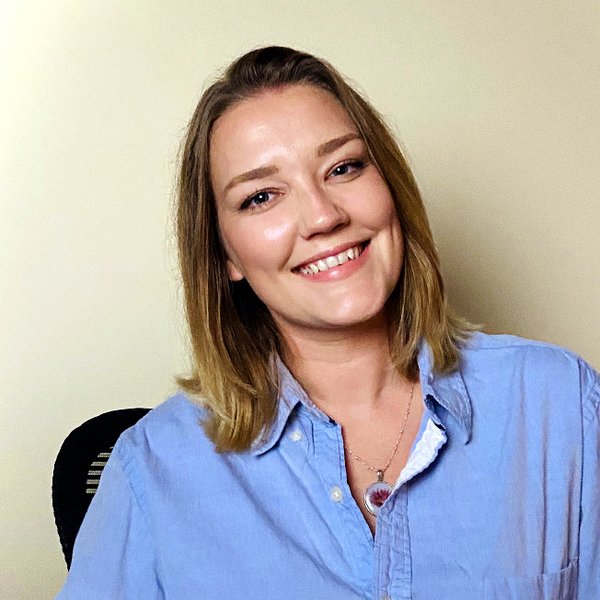
Master’s Degree of Foreign Languages, Concentration in English and French. Minor in Theatre & Choreography. PHD of Linguistics and Literary Criticism & Comparative Linguistics.
Russian Language Teacher, Dialect Coach, Translator, ESL Teacher. 10+ years of experience.
Personally vetted · Strommen’s note
A Russian dialect coach, translator, and teacher rolled into one, Anastasia has ten-plus years in and treats English and Russian as one connected skill set.
Specialties
Master’s Degree of Foreign Languages, Concentration in English and French. Minor in Theatre & Choreography. PHD of Linguistics and Literary Criticism & Comparative Linguistics.
Russian Language Teacher, Dialect Coach, Translator, ESL Teacher. 10+ years of experience.
Specialties
Personally vetted · Strommen’s note
A Russian dialect coach, translator, and teacher rolled into one, Anastasia has ten-plus years in and treats English and Russian as one connected skill set.
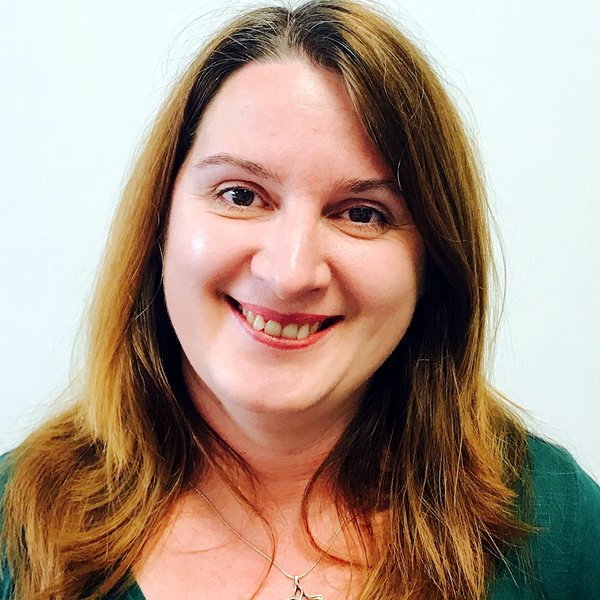
MA in teaching International Culture and History
Russian teacher with MA in teaching International Culture and History - Experienced Russian Tutor in Mar Vista, CA
Personally vetted · Strommen’s note
Maria holds an MA in international culture and history and is based in Mar Vista. She custom-builds Russian curriculum around group dynamics as much as level.
Specialties
MA in teaching International Culture and History
Russian teacher with MA in teaching International Culture and History - Experienced Russian Tutor in Mar Vista, CA
Specialties
Personally vetted · Strommen’s note
Maria holds an MA in international culture and history and is based in Mar Vista. She custom-builds Russian curriculum around group dynamics as much as level.
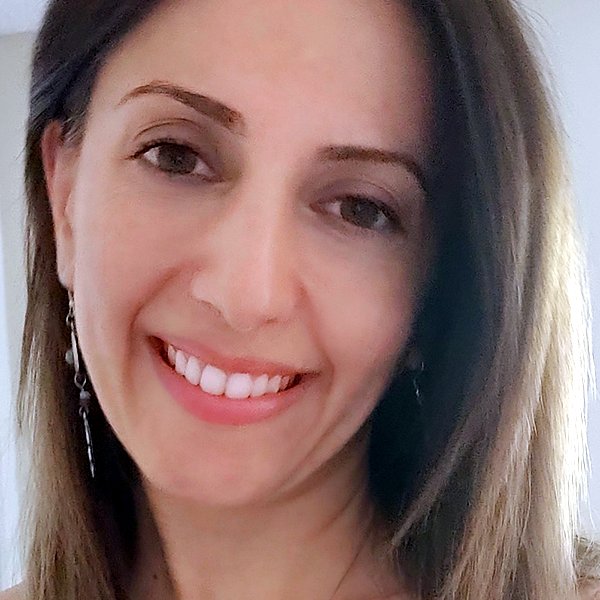


BA and MA in Arabic Studies, PhD in Philology (Arabic & Hebrew Studies)
Polyglot tutor with 15 years’ experience in Armenian, Arabic, Hebrew, and Russian
Personally vetted · Strommen’s note
Alvina holds a BA and MA in Arabic Studies and has spent fifteen years teaching Arabic, Hebrew, Russian, and Armenian, genuinely rare range in one tutor.
Specialties
BA and MA in Arabic Studies, PhD in Philology (Arabic & Hebrew Studies)
Polyglot tutor with 15 years’ experience in Armenian, Arabic, Hebrew, and Russian
Specialties
Personally vetted · Strommen’s note
Alvina holds a BA and MA in Arabic Studies and has spent fifteen years teaching Arabic, Hebrew, Russian, and Armenian, genuinely rare range in one tutor.
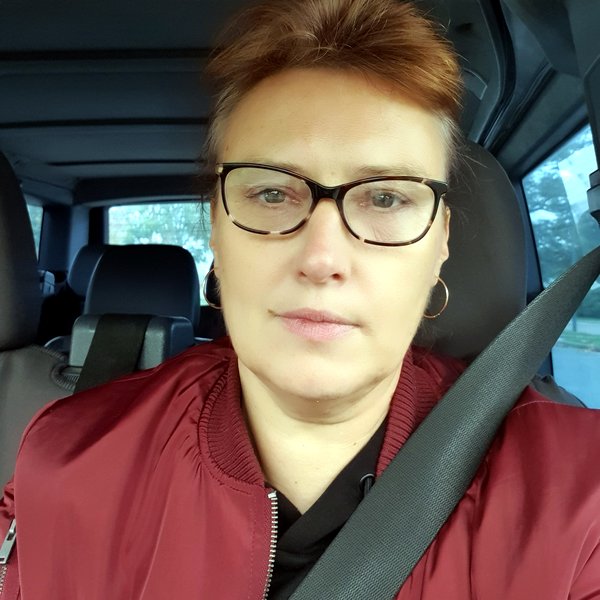
University diploma, department of foreign languages, teacher of English and German languages · Cambridge Certificate of Teaching English on-line
Hi there! You're welcome to my entertaining, interactive and productive English lessons on-line!
Specialties
University diploma, department of foreign languages, teacher of English and German languages · Cambridge Certificate of Teaching English on-line
Hi there! You're welcome to my entertaining, interactive and productive English lessons on-line!
Specialties
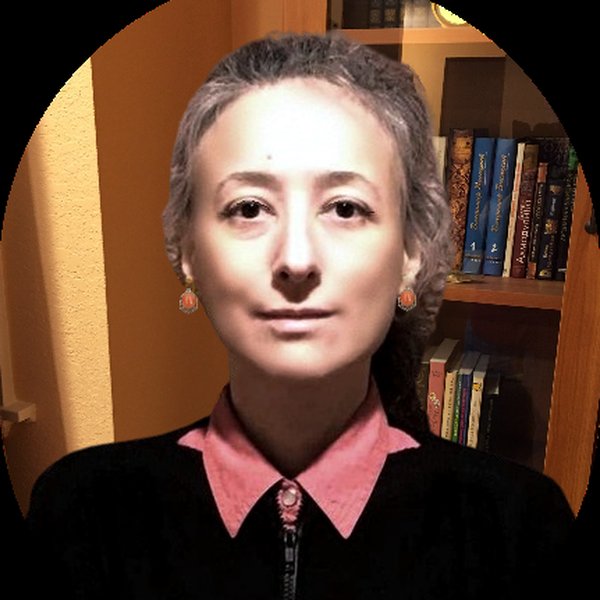
BA in Russian Language and LiteratureBA in English LiteraturePh.D. in Comparative LiteratureCertificate in Teaching Russian as a Foreign LanguageCertificate in Teaching ESL / EFL to Speakers of Other LanguagesCertificate in Teaching Business ESL
Embark on Your Language Odyssey: Expert Guidance from Tatyana, Your Native Speaker & Ph.D
Specialties
BA in Russian Language and LiteratureBA in English LiteraturePh.D. in Comparative LiteratureCertificate in Teaching Russian as a Foreign LanguageCertificate in Teaching ESL / EFL to Speakers of Other LanguagesCertificate in Teaching Business ESL
Embark on Your Language Odyssey: Expert Guidance from Tatyana, Your Native Speaker & Ph.D
Specialties
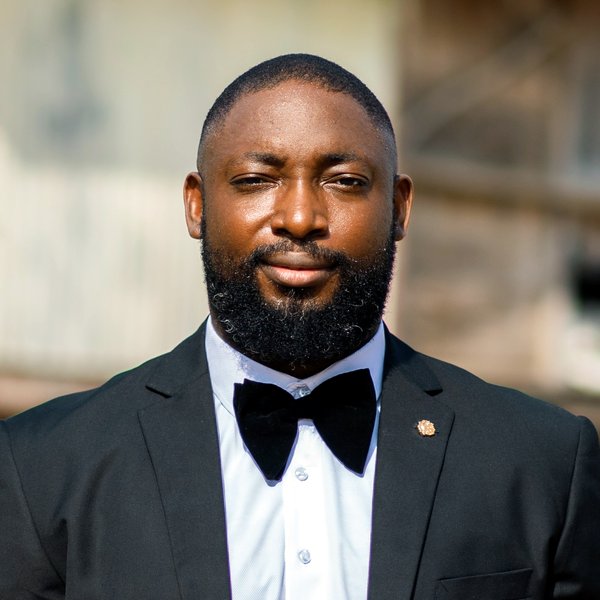
Masters degree
Study hard - Get Results
Personally vetted · Strommen’s note
Teaching Russian out of Osogbo, Nigeria, Iyanu starts every lesson by gauging exactly where a student's level actually sits.
Specialties
Also speaks: English
Masters degree
Study hard - Get Results
Specialties
I also speak: English
Personally vetted · Strommen’s note
Teaching Russian out of Osogbo, Nigeria, Iyanu starts every lesson by gauging exactly where a student's level actually sits.
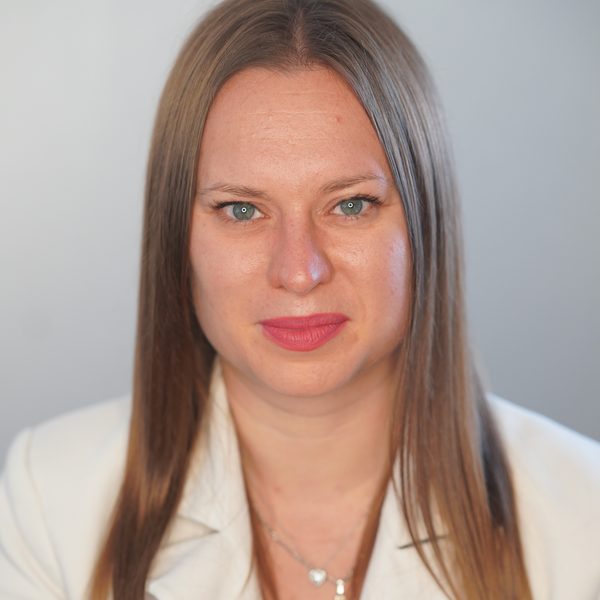
Specialization (5 years) at Blagoveshchensk State Pedagogical University Major - Chinese language teacher with an additional specialty as an English language teacher.Postgraduate studies at the Moscow State University of Management, Faculty of Philoso... · 1) Diploma from Blagoveshchensk State Pedagogical University, majoring in Chinese language teacher with an additional specialty as an English language teacher. 2) Certificate of advanced training issued by Moscow State Linguistic University, awarded f...
Chinese language, Mandarin, Chinese tutor, Mandarin tutor,
Specialties
Specialization (5 years) at Blagoveshchensk State Pedagogical University Major - Chinese language teacher with an additional specialty as an English language teacher.Postgraduate studies at the Moscow State University of Management, Faculty of Philoso... · 1) Diploma from Blagoveshchensk State Pedagogical University, majoring in Chinese language teacher with an additional specialty as an English language teacher. 2) Certificate of advanced training issued by Moscow State Linguistic University, awarded f...
Chinese language, Mandarin, Chinese tutor, Mandarin tutor,
Specialties
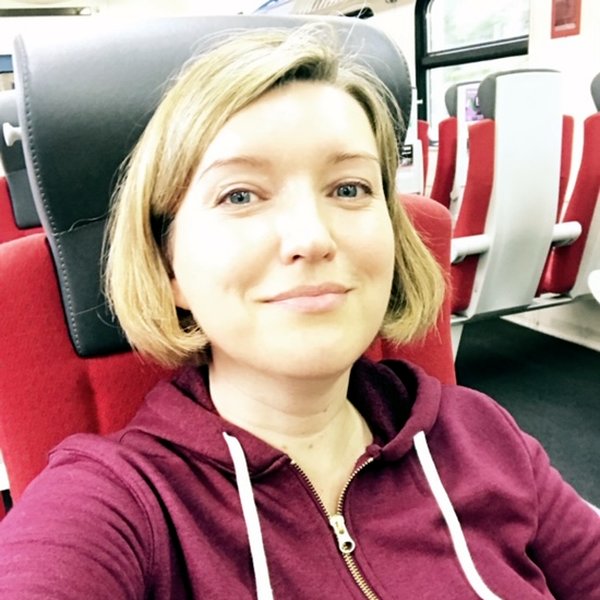

Masters in Linguistics · Masters in Linguistics, PFUR, Moscow, Russia, 2001
Native Russian Tutor with Over 20 Years of Experience
Personally vetted · Strommen’s note
A Russian native with a linguistics master's and more than twenty years teaching, Katya won't rush a student past where they're actually ready.
Specialties
Masters in Linguistics · Masters in Linguistics, PFUR, Moscow, Russia, 2001
Native Russian Tutor with Over 20 Years of Experience
Specialties
Personally vetted · Strommen’s note
A Russian native with a linguistics master's and more than twenty years teaching, Katya won't rush a student past where they're actually ready.

Разговорная речь — everyday speech
5 conversational Russian phrases the textbook will not teach you on time
These are not advanced expressions. They are the high-frequency conversational moves that separate a textbook-fluent learner from someone who actually sounds at home in a Russian conversation. Screenshot the list and book a tutor to learn the rest.
-
01
Как дела? kak dela?
The default "how are things?" between people who already know each other. Used with ты-register friends and peers; for вы-register or formal contexts you would soften to Как у вас дела? or Как поживаете? The expected answer is not the American "good, you?" but something closer to нормально or ничего, an acknowledgment rather than a performance.
e.g. Привет! Как дела? Да нормально, спасибо.
-
02
Нормально normalno
Literally "normal," practically the standard answer to Как дела?. It does not mean "fine" with American cheer; it means "things are about as expected." Russians treat constant performative positivity as suspicious, and нормально is the honest, neutral baseline. Learning to give it without translating in your head is a real conversational milestone.
e.g. Как сам? Нормально, работаю.
-
03
Давай davai
Surface meaning "give," actual function as an all-purpose conversational closer or encouragement: "let's," "alright," "go ahead," "see you," "bye." Russians often end a phone call with a single Давай, давай, пока. It also opens proposals: Давай поговорим о (let's talk about...). Picking it up early makes your speech sound noticeably more natural.
e.g. Ну ладно, мне пора. Давай, до завтра.
-
04
Слушай slushay
Literally "listen," used the way English speakers use "hey, look" or "so listen," to open a slight pivot or get a friend's attention in the middle of a conversation. The вы-register equivalent is Послушайте. Drops naturally into spoken Russian; using it well is one of the first signs a learner has crossed from textbook into native rhythm.
e.g. Слушай, а ты не знаешь, где здесь хороший кофе?
-
05
Ну ладно nu ladno
Two-particle combo meaning roughly "well, alright" or "ok then." Used to accept a situation, close a topic, or transition into goodbye. Ну by itself is the universal Russian filler ("well," "so"); ладно alone means "alright"; together they handle thousands of micro-moments in real conversation without translating cleanly into a single English phrase.
e.g. Ну ладно, договорились, в семь у метро.
About Conversational Russian
Speaking Russian, not reciting it
Russian is two registers wearing the same coat. There is the Russian of grammar tables, of Tolstoy, of the news anchors on Первый канал, where every case ending lands cleanly and full sentences are the rule. And there is the Russian that two friends actually speak to each other on the kitchen бalcony at midnight, where pronouns get dropped, particles do half the work, and a single слушай carries more meaning than a paragraph of textbook prose. A conversational Russian tutor's job is to bring you fluently into the second one while keeping you literate in the first. Most adult learners arrive having done the opposite: a year or two of grammar drills, an intermediate-feeling case-table competence, and a near-total inability to follow a real conversation between two native speakers. The remedy is not more grammar. It is sustained, calibrated time in the spoken register.
The single biggest social mechanic that conversational Russian asks you to internalize is the ты / вы split. Ты (informal singular "you") is for friends, peers your age, family, children, and anyone you have moved to a first-name basis with. Вы (formal singular "you," and also the plural "you" in any register) is for strangers, elders, colleagues you do not yet know well, service interactions where deference is expected, and any context where social distance is being maintained on purpose. The shift from вы to ты is not a casual thing in Russian-speaking culture. There is a verb for it (переходить на ты, "to switch to ты"), it is typically initiated by the older or higher-status person, and getting the timing wrong is felt strongly by native speakers. Westerners tend to default to ты too quickly, which reads as either childish or presumptuous depending on the listener. Calibrated tutors push you toward the right register for the context you are actually preparing for, not toward the textbook default.
The second mechanic is the universe of small filler and stance particles that real spoken Russian runs on, and that most textbooks barely mention. Ну (well / so), вот (here / so / well), же (emphasis), -то (specifying), да (yes, but also a softener), всё (everything, but also "that is all," "enough"), короче (shorter / in short / anyway). These do not translate well in isolation. A learner who has not practiced them sounds either robotic or oddly formal even when their grammar is otherwise solid. A conversational tutor will spend real time on these, because picking them up from a chart is impossible and picking them up from immersion alone takes longer than the lesson hours cost. The faster route is targeted exposure with a native speaker who corrects placement in real time.
The third mechanic is the way Russian conversation handles directness. American small talk is built on softeners: "would you mind," "if it's not too much trouble," "sorry to bother you." Russian conversation, especially between people who know each other, is markedly more direct. Не хочешь чаю? lands as a friendly offer, not the brusque "don't you want tea?" the literal translation suggests. Дай (give) without a softener is normal between friends and family, where English would require "could you please pass the." A conversational Russian tutor will recalibrate your softener instinct so you stop sounding like you are apologizing for existing. The reverse is also true: when вы register is called for, the absence of softeners that work in ты sounds harsh, and your tutor will drill the formal-register move at the same time. The two registers are different conversational systems, not different politeness levels of a single system.
Intermediate plateaus in Russian almost always trace to the same three places. The verb of motion system, where every verb meaning "to go" splits into unidirectional and multidirectional pairs (идти / ходить, ехать / ездить) and then layers prefixes on top to mean came-in, came-out, passed-through, went-around, and a dozen others. The aspect pair on every verb (perfective / imperfective), which textbooks introduce early but learners only really internalize after substantial spoken practice across hundreds of real contexts. And the case system in actual flow, where the genitive of negation, the instrumental of accompaniment, the dative of indirect experience all become reflexes rather than calculated choices. A tutor working with a plateau-stuck intermediate spends most of the lesson time on these three areas in conversational context, not on adding new grammar.
For heritage learners (Russian or Ukrainian-Russian-speaking household, English-dominant adult), the work is activation, not construction. The receptive grammar and pronunciation are usually intact. What is missing is the adult-life vocabulary that a household did not need (work, healthcare, banking, professional registers), the courage to commit to ты or вы in adult social contexts without a parent in the room, and the confidence to speak in the language of response rather than always answering Russian in English. Heritage learners often reach genuine adult fluency surprisingly quickly when the activation work is targeted, because the foundation was there the whole time. Strommen has a small set of heritage-specialist Russian tutors; if you grew up hearing Russian at home, tell us so on the trial and we will route you to the right teacher.
The Russian-language media landscape between lessons is rich and worth using. For slower, study-pace listening: Slow Russian and RussianPod101 are the standard intermediate-friendly podcast pairings. For natural-pace native content: the archives of Эхо Москвы (now offline as a station but extensively archived) carry decades of conversational, journalistic, and interview Russian in clean audio; modern Russian streaming dramas like Слово пацана, Хороший человек, and the Star Media historical series build ear at a real conversational tempo. For reading at intermediate-and-up levels: Meduza for current journalism, Arzamas for cultural longform, the Pushkin Institute's open-resource site for graded readers. Authoritative grammar references that conversational learners actually use: the Vinogradov Institute of the Russian Language (Институт русского языка имени В. В. Виноградова РАН) for the canonical academic grammar, the Pushkin State Russian Language Institute for pedagogical materials and the official TORFL exam syllabus, and the TORFL (Тест по русскому языку как иностранному) level descriptors themselves as a rough self-locator from A1 through C2.
A candid word on pacing. Some Strommen students arrive at comfortable conversational Russian inside 12 to 18 months of weekly committed lessons plus daily exposure. Others take noticeably longer, and a few stretch the timeline past two years even with strong effort. The variance is real and it is not mainly about effort. Pacing depends on the ear (some adults pick up Slavic prosody fast, some do not), on the input volume between lessons (40 minutes of native listening daily is a different curve from 10), and on prior exposure to a case language (a student with Latin or German is on a different runway than one coming purely from English). The tutor's job is to be honest about where you are on that curve and to adjust the plan accordingly, not to promise a timeline that fits in a sales pitch.
The Strommen Conversational Russian roster includes native speakers from Moscow, St. Petersburg, Novosibirsk, the Baltic Russophone regions, and the diaspora, plus a smaller set of longtime bilinguals who have taught the language to adults for years. Each tutor's bio specifies their region (which shapes accent), their pedagogical lean (grammar-forward, conversation-forward, heritage-aware), and their typical student profile. If your goal is daily-life conversational Russian, our Russian for Beginners page is the sibling specialty for absolute starters; the conversational track picks up where the beginner curriculum ends. Browse the full Russian program, or look at the full tutor list if you want to filter on availability across all languages. Free 30-minute trial; bring the actual conversation you want to be able to have, and we will calibrate the lesson plan to it.
What you'll cover
Lessons & classes tailored to Conversational Russian
The ты / вы register split, in working practice
Knowing which form to use when, how the switch from вы to ты actually happens in real social settings, and how the softener vocabulary changes between the two registers. We drill the calibration in role-play and live correction, not in tables. Most of the gap between textbook-fluent and conversationally-natural Russian lives here.
Filler particles and conversational rhythm
Ну, вот, же, -то, всё, короче, давай, слушай. The small words that carry the texture of spoken Russian and never appear on a grammar quiz. Lessons include targeted listening with native conversation, correction on your own placement, and shadowing drills so the particles become reflexes rather than translations.
Plateau-breaking on verbs of motion and aspect
Intermediate Russian plateaus almost always trace to the same two places: the verbs of motion system (идти / ходить, ехать / ездить, plus prefixes) and the perfective / imperfective aspect choice across every verb. We work both in conversational context, not from charts, because both are reflex systems that internalize only with substantial spoken practice and targeted real-time correction.
Heritage activation for Russian-household adults
For adults who grew up hearing Russian at home and answering in English. The work is activation, not construction: making Russian the language of response, filling adult-life vocabulary the household did not need (work, healthcare, banking, formal registers), and building the confidence to commit to ты or вы in adult social contexts. Heritage learners often surprise themselves with how quickly fluency comes back.
FAQ
About Conversational Russian lessons & classes
How long does it take to reach genuinely conversational Russian?
Honestly variable. Some students reach comfortable conversational Russian in 12 to 18 months of weekly committed lessons plus 30 minutes of daily exposure. Others take longer, and some stretch past two years even with strong effort. Variance depends on your ear for Slavic prosody, your input volume between lessons, and whether you have prior exposure to a case language like Latin or German. Anyone promising a fixed timeline is selling you something.
I know textbook Russian but cannot follow a real conversation. Can you help?
Yes. This is the most common reason adult learners come to the Conversational Russian track. The gap between textbook competence and real-conversation comprehension is usually three things: filler particles you have not internalized, register calibration (ты vs вы) you have not practiced in real exchanges, and verb of motion plus aspect choices that have to become reflexes. Sustained spoken practice with a native speaker correcting in real time closes the gap. Typical timeline for plateau-stuck intermediates: 6 to 12 months.
What is the difference between Russian for Beginners and Conversational Russian?
Russian for Beginners covers absolute zero through the working basics: Cyrillic, pronunciation, the present tense, the cases as a system, the polite (вы) register as default, and a few hundred high-frequency words. Conversational Russian assumes that foundation and focuses on the spoken register: filler particles, ты register, conversational rhythm, plateau-breaking on motion and aspect, and heritage activation. Most students move from one to the other; some heritage learners or returning students skip directly to Conversational Russian.
I am a heritage learner. Russian at home, English everywhere else. Will lessons feel different?
They should. Heritage activation work is different from beginner or even intermediate work. You probably do not need pronunciation from scratch or basic vocabulary. What you need is adult-life vocabulary the household did not use, formal-register grammar that family conversation skipped, and pushing yourself to respond in Russian rather than English. Several of our tutors specialize in heritage learners. Tell us at the trial that you grew up hearing Russian, and we will match you to a heritage-aware tutor.
Which regional accent will my tutor have?
Depends on the tutor. Our Russian roster includes native speakers from Moscow, St. Petersburg, Novosibirsk, the Baltic Russophone regions, and the wider diaspora. Moscow Russian is the most-exposed variety and the practical neutral default for most students. If you have a specific destination (St. Petersburg, an Eastern European Russophone community, a family region) we can match accordingly. Each tutor's bio specifies their background.
Online or in person?
Both, depending on the tutor. Video lessons work well for conversational Russian; audio quality is fine, screen-share for vocabulary review is useful, and lessons fit around your week. In-person works for students who prefer face-to-face energy. Most students choose video for flexibility; some choose in person. Either format produces equivalent results when the cadence stays weekly.
How long should each lesson be, and how often?
60 minutes weekly is the conversational Russian sweet spot for most adults. 45 minutes can work for early learners or for students at the start of a heritage activation arc. 90 minutes works for committed plateau-breakers but exhausts most adults across a long campaign. Cadence matters more than length: weekly 60-minute lessons beat every-other-week 90-minute lessons by a wide margin, because Russian needs repeated exposure to compound.
What does the free trial cover?
30 minutes, no cost, with the tutor you select. Bring the actual conversation you want to be able to have: a family visit to Russia or a Russophone country, a colleague you talk to daily, a partner whose family speaks Russian at gatherings, a TORFL exam target. The tutor assesses your current level by holding a brief conversation, identifies the highest-impact areas to work first, proposes a study plan, and you decide whether to continue. Most students settle into a weekly rhythm with their trial tutor.
Ready for Conversational Russian lessons or classes?
Book a free 30-minute trial with one of our personally vetted tutors. Private lessons or small-group classes — your choice.