



Personally vetted instructors
Spanish Interpreting and Translating tutors, lessons & classes
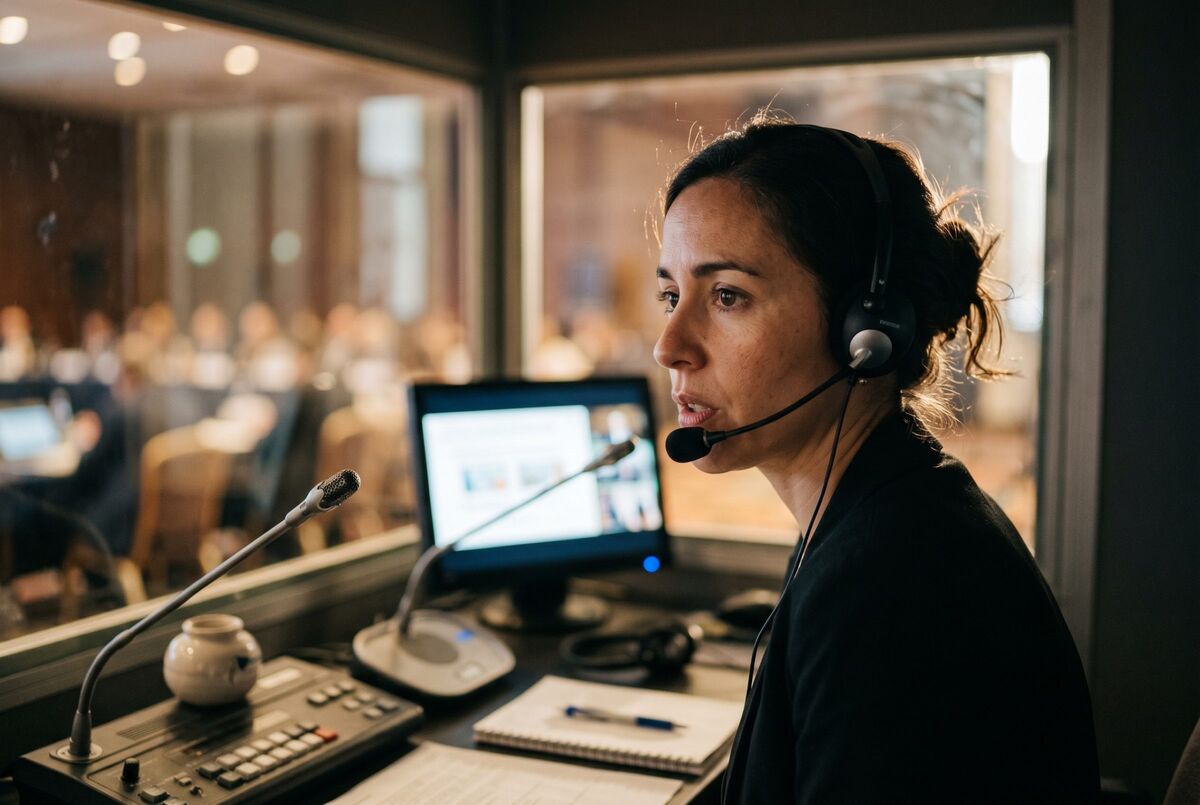
Buenos días, soy intérprete The way a working interpreter introduces themselves before a session.
Personally vetted Spanish tutors who coach working and aspiring interpreters and translators. Court, medical, conference, and document work, calibrated to the credentials your career actually requires.
Your instructors
Spanish Interpreting and Translating tutors for private lessons & classes
Strommen has run its own translation department since 2006, handling certified document translation, transcription, and review for clients across the US. The interpreting and translating tutors on this page were vetted by the same team that bills the work commercially. No marketplace. No automated profile-creation. Real professionals teaching the craft they practice, with credentials you can read about in their bios.
Filter by location, age, or price. Then book a 30-minute free trial.
Below are the Strommen tutors who coach Spanish interpreting and translating. Photos, ratings, and rates are real. Click any card to read their bio and book a free 30-minute trial.
I want to learn…
Every tutor, personally met. — founder-vetted since 2006, in Los Angeles and online worldwide.
Get a personalized plan
Pick your language — a language advisor will match you with the right tutor and map out your path.


Law
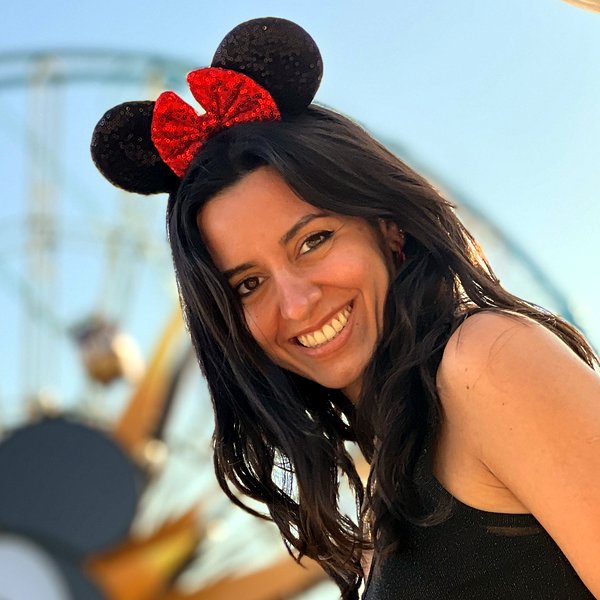
Learn Italian & Spanish fast and fun!
Personally vetted · Strommen’s note
Italian and Spanish translation both fall under Ruth's teaching, grammar explained through color-coded tables and games.
Specialties
Law
Learn Italian & Spanish fast and fun!
Specialties
Personally vetted · Strommen’s note
Italian and Spanish translation both fall under Ruth's teaching, grammar explained through color-coded tables and games.


Journalism/Spanish-Language Journalism
Highly Rated Spanish Tutor at Strommen | Born in Argentina, Raised in LA
Specialties
Also speaks: Armenian
Journalism/Spanish-Language Journalism
Highly Rated Spanish Tutor at Strommen | Born in Argentina, Raised in LA
Specialties
I also speak: Armenian

B.A. (MIT)
Native trilingual
Personally vetted · Strommen’s note
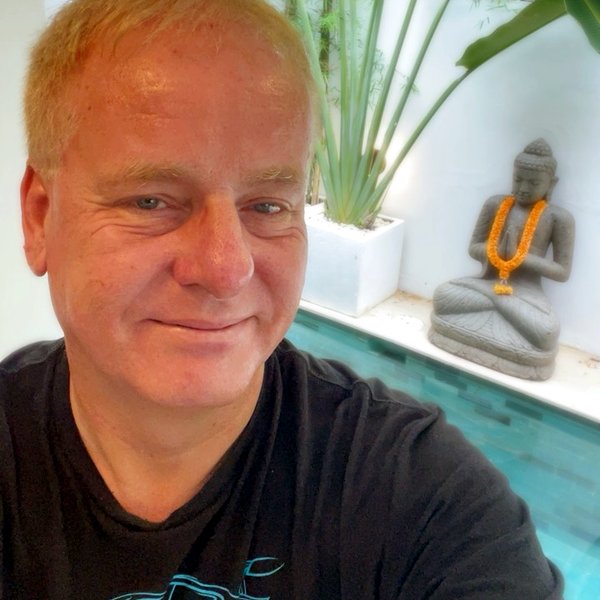
Trilingual since age seven and raised between Mexico City and Düsseldorf, Klaus coaches Spanish and German dialects the way he learned them: by talking.
Specialties
B.A. (MIT)
Native trilingual
Specialties
Personally vetted · Strommen’s note
Trilingual since age seven and raised between Mexico City and Düsseldorf, Klaus coaches Spanish and German dialects the way he learned them: by talking.

BA in Psychology and English from the University of Connecticut
Colombian-born, 10+ years experience, offers personalized language instruction with creativity and flair
Personally vetted · Strommen’s note
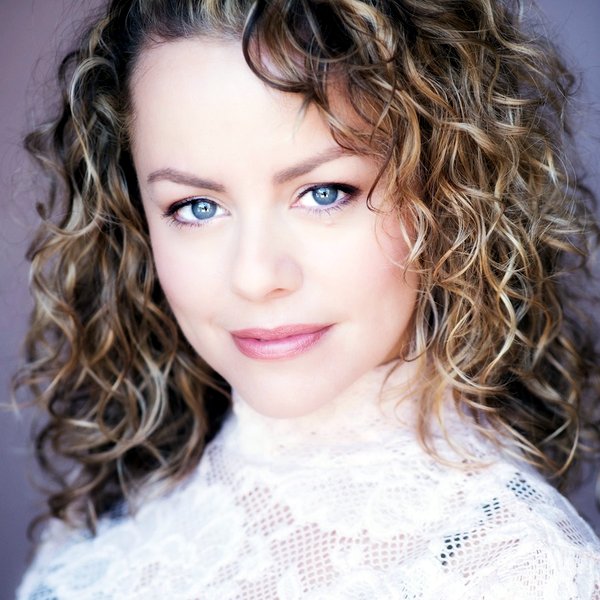
Berlitz-certified and equally exacting with everyone she teaches, Andrea's client list has run from FBI agents to studio heads to kindergartners.
Specialties
BA in Psychology and English from the University of Connecticut
Colombian-born, 10+ years experience, offers personalized language instruction with creativity and flair
Specialties
Personally vetted · Strommen’s note
Berlitz-certified and equally exacting with everyone she teaches, Andrea's client list has run from FBI agents to studio heads to kindergartners.
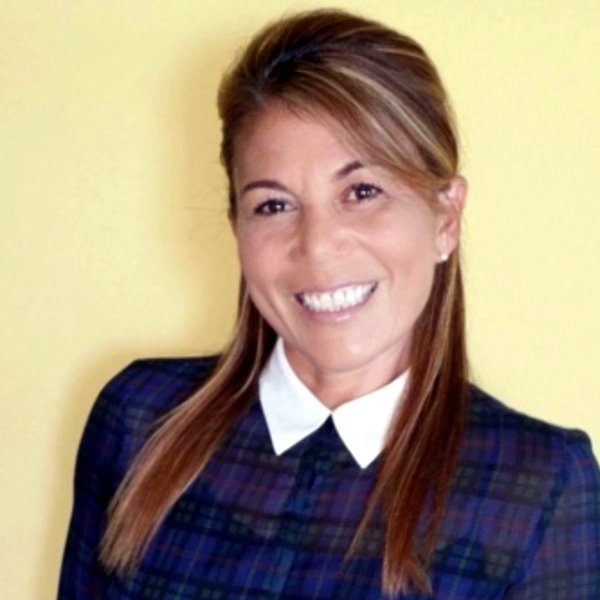
Masters of Arts in Spanish and Linguistics, Currently, a 3rd-year PhD student in the Spanish Program.
Speak Spanish with Confidence, Step by Step
Personally vetted · Strommen’s note
Elizabeth has taught Spanish for eighteen years, and her whole approach comes down to one rule: let students make mistakes and keep talking anyway.
Specialties
Masters of Arts in Spanish and Linguistics, Currently, a 3rd-year PhD student in the Spanish Program.
Speak Spanish with Confidence, Step by Step
Specialties
Personally vetted · Strommen’s note
Elizabeth has taught Spanish for eighteen years, and her whole approach comes down to one rule: let students make mistakes and keep talking anyway.
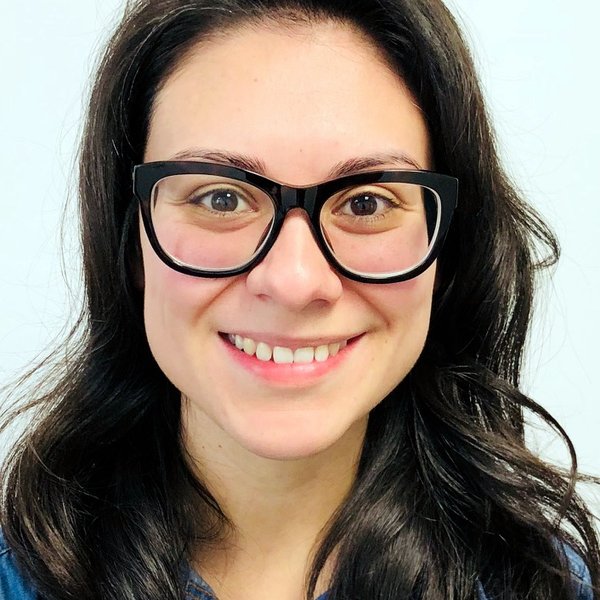

Bac Psychology & Sociology
.
Specialties
Bac Psychology & Sociology
.
Specialties

Inside the booth — craft & practice
5 disciplines that separate working interpreters and translators from talented bilinguals
These aren't textbook topics. They are the daily habits that show up on every credentialing exam and every paid invoice. Screenshot the infographic, then book a tutor to drill them.
-
01
Sight translation drill
Reading a written document aloud in the other language at near-conversational speed, without prep time. Tested on every major court interpreter exam (FCICE, state court consortia) and on the DOS reading rubric. Trains the eye-voice-brain coordination that separates working interpreters from people who can translate at their desk.
e.g. Tutor hands you a page from a Colombian birth certificate; you render it into English on first read, 120 to 140 words per minute.
-
02
Simultaneous vs consecutive
The mode you train decides the work you can take. Consecutive (you render after the speaker pauses) covers medical, deposition, and most community work. Simultaneous (you render while the speaker continues) is the booth craft for conference work and long courtroom proceedings. Different cognitive load profile, different note-taking system, different stamina ceiling.
e.g. A two-hour deposition is consecutive; a full-day conference is simultaneous with a partner and 30-minute booth rotations.
-
03
Terminology management
The glossary discipline that scales across jobs. Translators build CAT-tool term bases and translation memories (SDL Trados, MemoQ, OmegaT). Interpreters build bilingual glossaries from speaker decks and case files before booth time. The habit is the difference between billing accurately and burning prep hours twice.
e.g. Receiving a 60-page deck for a Friday conference and arriving Monday with a 200-line acronym and proper-name glossary in your phone.
-
04
The false-friend trap
Cognates that look right and read wrong. Asistir means to attend, not to assist. Actualmente means currently, not actually. Embarazada means pregnant, not embarrassed. Constipado means having a cold. Under time pressure in a deposition or a clinical encounter, these slips do not get caught. Working professionals keep a domain-specific list and add to it for life.
e.g. Witness testifies <em>actualmente vivo en Houston</em>; the wrong rendering is "I actually live in Houston," the right one is "I currently live in Houston."
-
05
The certification pathway
ATA for commercial translation (three-hour written exam in your specific language pair). FCICE for federal court interpreting (written plus oral, English-Spanish). State court certification (separate by state, NCSC consortium for most). CCHI or NBCMI for medical interpreting. AIIC for conference. The DOS Office of Language Services rates and contracts diplomatic interpreters on a 1-to-5 rubric. Map your goal to the right credential before you start studying.
e.g. Goal is federal court work in California: FCICE written first, FCICE oral second, then state court reciprocity.
About Spanish Interpreting and Translating
Two crafts, one language
Interpreting and translating share a language; they are not the same craft. Interpreting is spoken, real-time, and physically demanding. Translating is written, asynchronous, and built on research. The cognitive load profiles, the certifications, the rate cards, and the failure modes are different. Most students who arrive on this page already know they want one of the two, sometimes both, and they want lessons that respect that distinction rather than blurring it into generic conversational Spanish.
Inside interpreting, the working modes split further. Consecutive interpreting (the speaker pauses, you render, the speaker continues) is the default for medical encounters, depositions, parent-teacher conferences, and most community work. Simultaneous interpreting (you render while the speaker keeps talking, usually from a booth with headphones) is the default for conference work, courtroom proceedings of any length, and broadcast. Sight translation (reading a written document aloud in the other language at near-conversational speed) is its own micro-skill and shows up on every major court interpreter exam. The Department of State's Office of Language Services trains and tests staff and contract interpreters across all three modes for diplomatic work, and its rating rubric (a 1 to 5 scale for consecutive and simultaneous, with separate scores for accuracy and delivery) is one useful internal benchmark even for students who never test through the State Department itself.
Translation, by contrast, is the patient craft. A working translator might produce 2,000 to 3,000 finished words on a typical day, with the time split roughly evenly between drafting, terminology research, and revision. The theorists who shaped how the field thinks about its own work, Hatim and Mason in particular (their Discourse and the Translator and The Translator as Communicator remain on most graduate reading lists), treat translation as an act of communication across discourse systems rather than a substitution of one word for another. That framing matters in practice. A literal English-to-Spanish rendering of a US medical consent form will produce a document that is technically accurate, register-wrong, and useless in a Mexican or Colombian clinic. The translator's job includes the discourse-level decisions, not just the lexical ones. The same logic applies to legal translation, where US common-law conventions do not map cleanly onto Spanish civil-law document architecture, and a faithful word-for-word output can produce a document a Mexican notary will reject.
The certification map decides what work you can bill for and at what rate. The American Translators Association (ATA) administers a three-hour written certification exam in specific language pairs, including English-to-Spanish and Spanish-to-English, and the ATA-certified credential is the most widely recognized commercial translator badge in the US market. The exam is graded by certified working translators against the ATA Framework for Standardized Error Marking, with errors categorized (mistranslation, terminology, omission, register, grammar, punctuation) and weighted; a single major error can cost the exam. For court interpreting, the Federal Court Interpreter Certification Examination (FCICE) tests written and oral skills in English-Spanish at the federal level; passing it qualifies you for federal court work nationwide and is the gold standard for legal interpreting. State court certification is administered separately by each state, often through the National Center for State Courts consortium, and most states require it for court appearances. Medical interpreting has two parallel commercial certifications, CCHI (Certification Commission for Healthcare Interpreters) and NBCMI (National Board of Certification for Medical Interpreters), both of which test ethics, protocol, and bilingual proficiency for clinical settings. For conference interpreting, AIIC membership is the international standard, with a working-language committee model rather than a single exam. Tutors map your goal to the right credential and the right preparation path; the wrong target wastes months.
Rate cards follow credential and setting. Federal court interpreters at the FCICE-certified tier bill at the federal day or half-day rate published by the Administrative Office of the US Courts and revised periodically. State court rates vary by state and county. Conference interpreting through AIIC-aligned channels carries a standard day rate that scales with the venue and the language combination. Commercial translation typically prices per source word, with rates for English-Spanish ranging from the low end of agency rate cards to multiples of that for specialized legal, medical, financial, and patent work. Medical interpreting in clinical settings is usually hourly with a minimum (often two hours) and varies by region and hospital system. Students who are training as a second career often underestimate how much the right credential moves the rate; lessons account for that arithmetic when mapping a study plan.
The false-friend trap deserves its own paragraph because it catches even fluent bilinguals working under time pressure. Asistir in Spanish means to attend, not to assist. Actualmente means currently, not actually. Constipado means having a cold, not constipated. Embarazada means pregnant, not embarrassed. Realizar means to carry out or accomplish, not to realize in the cognitive sense. Suceso is an event, not a success. Carpeta is a folder, not a carpet. Sensible means sensitive, not sensible; educado means polite, not educated. In a relaxed conversation these slips get caught and laughed off. In a deposition transcript, a medical consent, or a simultaneous booth, they do not. Working interpreters and translators build a personal false-friend list early in their training and add to it for the rest of their career; tutors drill the worst offenders by domain (legal, medical, financial, technical) until the wrong cognate stops surfacing under load.
Terminology management is the other discipline that separates working professionals from talented amateurs. A translator finishing a 60-page contract will have built and maintained a project glossary, ideally in a CAT tool (Computer-Assisted Translation software like SDL Trados, MemoQ, or the open-source OmegaT) where translation memory (TM) and term-base entries accumulate across jobs. An interpreter preparing for a week of conference work will receive the deck and the speaker bios in advance, build a bilingual glossary of acronyms and proper names, and arrive having internalized the terminology so booth time is spent on register and delivery rather than vocabulary search. The discipline scales: a healthcare interpreter who keeps a running medical glossary of the conditions they encounter most often will outperform a more grammatically polished colleague who works from memory alone. Lessons build the glossary habit alongside the linguistic skill, and several tutors will work directly from your own real source documents (a redacted contract, an anonymized clinical chart, a speaker deck for an upcoming conference) so the glossary you build during lessons is the one you will actually bill against.
Strommen runs an in-house translation department that handles certified document translation for clients across the country (immigration, academic, legal, civil), so the team coaching you on this page also works inside the craft commercially. That is the working credential. Tutors include translators who have completed ATA-recognized programs and bill commercial translation work, court-certified interpreters at state and federal level, conference interpreters with AIIC-track experience, and medical interpreters working with hospital systems and clinics. Several teach toward the FCICE oral exam and the ATA written exam specifically, with mock testing and scoring against published rubrics. Others coach working professionals on register, speed, and stamina rather than testing. Match the tutor to the credential you are working toward, and the curriculum follows from there. The Spanish course page covers the broader family of Strommen Spanish programs, and you can also browse the full tutor list to filter by location, price, and availability. The conversational Spanish and Business Spanish pages cover adjacent specialties for students who need foundation work first, and the DELE exam preparation page covers the proficiency credential many translation employers want to see on a resume before they will read it. For students whose source-language work is Spanish into English, our blog post on free English-to-Spanish translation tools is a useful primer on the resources working translators actually keep in their browser bar.
What you'll cover
Lessons & classes tailored to Spanish Interpreting and Translating
FCICE and state court interpreting preparation
Targeted preparation for the Federal Court Interpreter Certification Examination and the state court certification exams administered through the National Center for State Courts consortium. Written component drills (vocabulary, idiom, English and Spanish reading comprehension at legal register), oral component drills (sight translation in both directions, consecutive with note-taking, simultaneous from recorded courtroom audio), and scoring against published rubrics. Mock testing with tutors who have passed the exams themselves and work in court settings.
ATA certification and commercial translation craft
Preparation for the American Translators Association certification exam in English-to-Spanish and Spanish-to-English. Three-hour timed practice on the kinds of source texts the exam draws from (general, scientific-technical, legal), error-category analysis matched to the ATA Framework for Standardized Error Marking, and revision of student work against working-translator standards. CAT tool orientation (SDL Trados, MemoQ, OmegaT), translation memory and term-base hygiene, and the discourse-level decisions Hatim and Mason identify as the actual translator's craft.
Medical and healthcare interpreting (CCHI, NBCMI)
Preparation for the two parallel medical interpreting certifications, CCHI and NBCMI, with coverage of medical ethics, clinical protocol (pre-session, transparency, the patient-provider-interpreter triangle), and the bilingual medical vocabulary the exams test. Drills on the encounter types that fill an interpreter's day: intake interviews, informed consent, medication counseling, mental-health encounters, end-of-life conversations. Several tutors work inside hospital systems and bring the register and pace clinical work actually requires.
Conference, broadcast, and diplomatic interpreting
Simultaneous booth craft for AIIC-track professionals and working conference interpreters: stamina drills with partner rotation, decalage management, terminology pre-build from speaker decks, and recovery from a missed segment. Broadcast and remote-simultaneous work (RSI platforms like Interprefy, KUDO, Zoom's simultaneous feature). Calibration against the Department of State Office of Language Services rubric for students working toward State Department contract status or its equivalent in other diplomatic settings.
FAQ
About Spanish Interpreting and Translating lessons & classes
Do I need to be fluent in Spanish before lessons?
For interpreting and translating work, yes. Working translators and interpreters operate at the C1 to C2 end of the proficiency scale (advanced to near-native), because the speed and accuracy demands of paid work assume that the language itself is in place and the craft is what needs building. If you are at B2 or below, the right move is foundation work in conversational Spanish first, with a check-in once you are reading and listening to native-speed Spanish comfortably. The full Strommen Spanish program covers the foundation tracks. Several of our tutors run the foundation track and the interpreting or translating track in parallel for students who are close.
What is the difference between interpreting and translating?
Interpreting is spoken and happens in real time. Translating is written and happens at a desk. The certifications are separate (FCICE for federal court interpreting, ATA for commercial translation, CCHI or NBCMI for medical interpreting), the rate cards are different, and the day-to-day cognitive load is different. Some professionals do both; most specialize. Lessons calibrate to whichever craft you are training for, and tutors can speak to both if you are still deciding which fits.
Which certification should I target?
Depends on the work you want. Federal court interpreting: FCICE (Federal Court Interpreter Certification Examination), administered by the Administrative Office of the US Courts. State court interpreting: state-by-state certification, usually through the National Center for State Courts consortium. Commercial document translation: ATA (American Translators Association) certification in your specific language pair. Medical and healthcare interpreting: CCHI or NBCMI. Conference interpreting: AIIC membership for the international standard. Diplomatic work: the Department of State Office of Language Services tests and contracts on its own rubric. Tell your tutor your target setting and the certification map gets clearer fast.
Do you coach the sight translation and simultaneous portions of court exams?
Yes. Sight translation appears on every major court interpreter exam (FCICE and state court) and is one of the hardest portions to self-study because the texts come from real legal source material at unfamiliar pace. Lessons include sight translation drills in both directions, calibrated to the actual exam pace (120 to 140 words per minute), with feedback on accuracy, register, and delivery. Simultaneous drills use recorded courtroom audio at exam speed, with decalage tracking and partner rotation when working toward conference-length stamina.
Can lessons cover CAT tools and translation memory workflow?
Yes. The translator tutors on this page work with SDL Trados, MemoQ, and the open-source OmegaT, and several can orient you to translation memory and term-base setup as part of lesson time. CAT tool fluency is not strictly required for the ATA exam (the exam is handwritten or typed without TM), but it is a baseline expectation for paid commercial work after certification. If you are coming from a translation program that did not cover CAT tooling, this is a useful gap to close early.
Are your tutors working interpreters and translators, or only teachers?
Most are working professionals who teach as a side practice. Several are court-certified at state or federal level and bill court time weekly. Several are ATA-certified and bill commercial translation work. Several work inside hospital systems as medical interpreters. The bios are specific about credentials and current practice. Strommen also runs its own translation department, which handles certified document translation commercially, so the people coaching you are inside the craft, not adjacent to it.
How long does it realistically take to certify?
Varies sharply by starting point and credential. A bilingual professional with strong written Spanish targeting the ATA exam often needs 3 to 6 months of focused weekly preparation with practice translations and revision. The FCICE written is similar; the FCICE oral typically takes 6 to 12 months of consistent practice to pass, because sight translation and simultaneous are skills the brain has to build, not just review. CCHI and NBCMI medical certifications are typically 3 to 4 months for a fluent bilingual with clinical experience. AIIC and DOS-track conference and diplomatic work is measured in years. Your tutor sets concrete weekly milestones at the trial and adjusts based on practice-test performance.
Do you offer interpreting and translating services as well as lessons?
Yes. Strommen's translation department handles certified document translation for clients across the country, and we book interpreters for medical, legal, and corporate settings. If you are looking to hire a Spanish interpreter or translator rather than train as one, the contact page is the right starting point and we will route the inquiry to the department. If you are training to do the work yourself, this page and a free trial with one of the tutors below is the right next step.
Ready for Spanish Interpreting and Translating lessons or classes?
Book a free 30-minute trial with one of our personally vetted tutors. Private lessons or small-group classes — your choice.