



Personally vetted instructors
Hebrew for Kids tutors, lessons & classes
בוקר אור Boker or, the sing-song "morning light" greeting common in Israeli kindergartens.
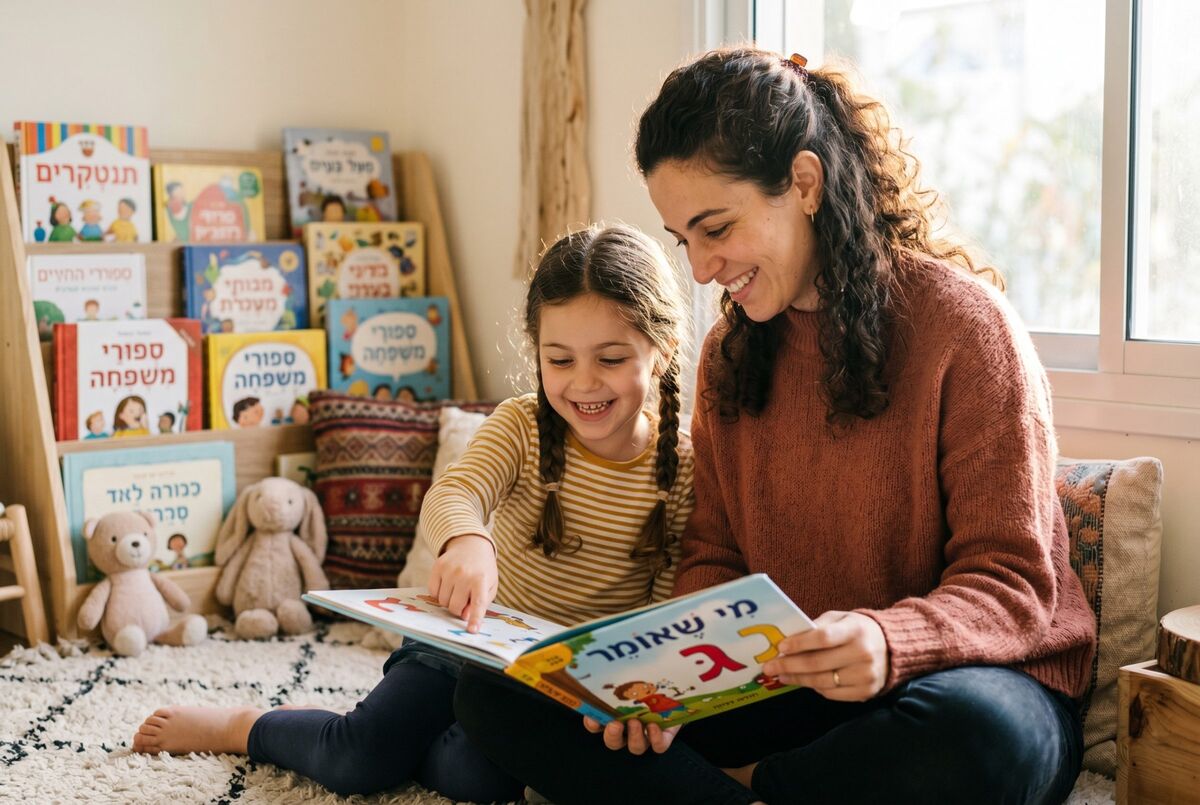
Personally vetted Hebrew tutors who teach children, from the first letters of the alefbet to confident reading and conversation. Lessons that move at a child's pace, with songs, stories, and the kind of patience this age group actually needs.
Your instructors
Hebrew for Kids tutors for private lessons & classes
The tutors below all teach children regularly, and several have classroom or Jewish day-school experience in addition to private tutoring. We do not list anyone for the kids' track who does not actively enjoy teaching at this age — it is a different skill from adult tutoring, and not every adult-Hebrew tutor has the patience for it.
Filter by location, age, or price, then book a 30-minute free trial so the tutor can meet your child.
Below are the Strommen tutors who specialize in teaching Hebrew to children. Photos, ratings, and rates are real. Click any card to read the tutor's background and book a free 30-minute trial.
I want to learn…
Every tutor, personally met. — founder-vetted since 2006, in Los Angeles and online worldwide.
Get a personalized plan
Pick your language — a language advisor will match you with the right tutor and map out your path.




Bachelors of ArtsHispanic Languages and Cultures; Psychology
Hispanic Literatures and Cultures graduate with extensive teaching experience
Personally vetted · Strommen’s note
A Hispanic Literatures and Cultures graduate who also teaches trombone, Ari brings vocabulary back at just the right moment in Hebrew and Spanish lessons.
Specialties
Also speaks: English
Bachelors of ArtsHispanic Languages and Cultures; Psychology
Hispanic Literatures and Cultures graduate with extensive teaching experience
Specialties
I also speak: English
Personally vetted · Strommen’s note
A Hispanic Literatures and Cultures graduate who also teaches trombone, Ari brings vocabulary back at just the right moment in Hebrew and Spanish lessons.
BFA
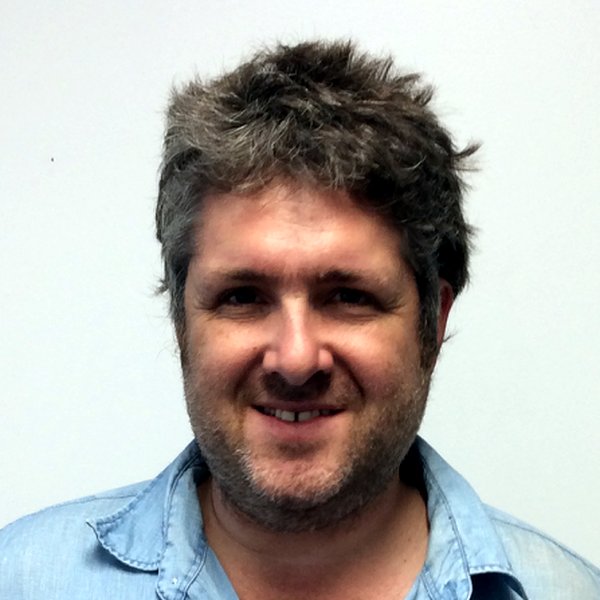
Discover Hebrew with Adam: Tel Aviv-Born Artist and Former Bezalel Academy Teacher!
Specialties
BFA
Discover Hebrew with Adam: Tel Aviv-Born Artist and Former Bezalel Academy Teacher!
Specialties

ילדים — kids' Hebrew & first words
5 things kids actually learn first in Hebrew
These are the building blocks Israeli children grow up with, and the same ones that anchor most kids' Hebrew programs in the diaspora. Knowing the list helps parents follow along.
-
01
שיר האלפבית · the alefbet song
The melody that every Israeli kindergartener learns to remember the order of the 22 letters. Many tutors use it as the first reading anchor for younger kids, because the rhythm holds attention and the melody locks the letter sequence into memory. There are several common tune variations.
e.g. אלף בית גימל דלת ... in the standard song version.
-
02
צבעים ומספרים · colors and numbers
The first concrete vocabulary set after the alefbet. Colors (אדום adom red, כחול kachol blue, ירוק yarok green) and numbers (אחת achat, שתיים shtayim, שלוש shalosh) are taught early because they are countable, gameable, and reinforce themselves through everyday objects. Tutors typically build small flashcard games around them.
e.g. אחד שתיים שלוש (one two three) sounds different from English but is one of the easiest sets to learn.
-
03
חגים · the Jewish holiday cycle
Holiday vocabulary cycles through the year and provides a natural rhythm for ongoing learning. Hanukkah (חנוכייה menorah, סביבון dreidel, נר candle), Pesach (מצה matzah, כוס cup, חירות freedom), Sukkot (סוכה sukkah, אתרוג etrog, לולב lulav), Purim (מסיכה mask, רעשן grogger, אסתר Esther). Each holiday introduces a small themed vocabulary set.
e.g. Hanukkah lessons are a fixed annual fixture in any kids' Hebrew curriculum.
-
04
שמע ישראל · the Sh'ma
The central declaration of Jewish faith, taught as one of the first prayer-language vocabulary items in most Hebrew programs. The first line (שְׁמַע יִשְׂרָאֵל יְהוָה אֱלֹהֵינוּ יְהוָה אֶחָד) is often the first piece of liturgical Hebrew a child learns to read and recite. Tutors handle the religious aspect according to the family's preference.
e.g. Most Jewish day-school first-graders can recite the Sh'ma by year's end.
-
05
ספרי ילדים · children's books
Israeli children's literature is rich and well-illustrated, and tutors lean on it heavily for kids' lessons. Classics include "Eretz Yisrael Sheli" (Yossi Banai), the Mira Lobe translations, and many beautifully vocalized picture books that pair Hebrew text with English glosses for the early diaspora reader.
e.g. A typical first read-aloud might be a short Pesach Haggadah-for-kids edition.
About Hebrew for Kids
Hebrew lessons that kids actually look forward to
Teaching Hebrew to a child is not a smaller version of teaching Hebrew to an adult. The skills you need in a kids' tutor are different, the pacing is different, the reward structure is different, and the texts and topics are different. A good Hebrew tutor for children knows how to keep a 6-year-old engaged through a 30-minute reading drill, how to introduce the alefbet through song and movement rather than through a worksheet, and how to talk to a 10-year-old about Hanukkah vocabulary without making it feel like school. The wrong tutor turns a child off Hebrew for years; the right one turns a child into a reader.
The families who come to Strommen for kids' Hebrew tend to be one of a few profiles. Some are Jewish day-school or Hebrew-school families whose child is enrolled in a Hebrew program but needs extra support to keep up. Some are families preparing a child for a bar or bat mitzvah and want the Torah-reading and Haftarah-reading practice that the synagogue program does not have time to give individually. Some are interfaith families or families newer to Jewish life who want their child to have Hebrew before religious-school placement testing. Some are Israeli or Israeli-American families raising children in the diaspora who want to maintain the language at home. Some are simply parents who want their child to have a second language and chose Hebrew for cultural or family reasons. The tutors below calibrate to all of these, and the first lesson is usually about figuring out which one a particular family is.
The pedagogy for kids' Hebrew has its own established shape. Younger children (5 to 8) learn through repetition, song, story, and physical activity rather than through grammar explanation. The classic alefbet song that every Israeli kindergartener knows is a real teaching tool, not a cute extra. Picture books work well at this age: titles like "Eretz Yisrael Sheli," the Israeli children's classic by Yossi Banai, or any of the well-illustrated bilingual editions of biblical stories give a child a feel for the rhythm and the letter shapes without grinding on grammar. Tutors who teach this age usually have a small library of bilingual or vocalized children's books they work from, and they hold a child's attention through variety: 10 minutes of letter practice, 10 minutes of conversation game, 10 minutes of song or story. Sitting still for an hour of grammar is not realistic and not useful for this age.
Elementary-school children (8 to 11) can handle slightly longer reading drills, basic conversation, and the beginnings of the root system explained at their level. This is also the age at which most Hebrew-school students start working seriously on prayer-language vocabulary, the first lines of the Sh'ma, basic blessings, and the holiday vocabulary that cycles through the Jewish year. Tutors weave this into the broader language work rather than treating it as a separate subject, so a child learns the alefbet, basic everyday vocabulary, and prayer-language familiarity as one continuous progression. A child this age can also start to recognize cognates and patterns across the words they already know, which is the first taste of the root system.
The bar and bat mitzvah preparation arc is its own specialized project, usually starting 9 to 12 months before the date. A tutor working on b'nei mitzvah prep typically handles three layers in parallel: the trope (te'amim, the cantillation chant for the Torah and Haftarah portions), the actual Hebrew reading of the assigned portion, and a working understanding of what the portion says so the d'var Torah (the short interpretive talk) lands as something the child has genuinely thought about. The level of trope mastery varies by community; some synagogues expect a full chanted portion, others accept reading without trope, and many fall somewhere in between. A good prep tutor will ask the family which community standard they are targeting and calibrate accordingly. This is not a track for last-minute work, and tutors will be honest about how much time a child realistically needs.
Middle-school and older kids (12+) can usually move into more adult-pattern lessons, with grammar explanation, real conversational practice, and substantive reading. At this age the difference between a child who has been learning Hebrew steadily and a child starting from scratch shows up clearly, and a tutor will be honest about where a particular kid sits. Catching up is possible at this age but it takes commitment, and most families who succeed at it commit to weekly or twice-weekly lessons for at least a year.
The family logistics around kids' Hebrew matter and a tutor will work with them rather than against them. Lessons are typically 30 to 45 minutes for younger kids and 45 to 60 minutes for older ones. Online lessons via Zoom or Jitsi work well at all ages when the child is supervised by a parent for the youngest age group; in-person lessons in Los Angeles are available across the Westside, Pico-Robertson, and the Valley. Most tutors will accommodate the rhythms of the school year, including a lighter cadence during summer or a focused sprint before a particular milestone. Strommen has been teaching Hebrew to LA families since 2006, and the kids' track is one of the most consistent specialties we offer because the demand is steady year-round. Every tutor below was met and vetted by us in person, and several have years of classroom or day-school experience in addition to private tutoring. The first lesson is usually a free 30-minute trial where the tutor meets the child, gets a feel for their attention and reading level, and proposes a plan to the parent.
What you'll cover
Lessons & classes tailored to Hebrew for Kids
The alefbet, taught the way kids learn
The 22 letters of the Hebrew alphabet, introduced through song, repetition, and physical activity rather than worksheets. Younger children learn the letters in a sensible reading order and pair each with its sound through games and short books. Tutors watch the handwriting form for the kids who are at the writing stage, and let the younger ones focus on recognition first before introducing writing. Most kids can recognize the full alefbet within a few months of weekly lessons.
Reading, vocabulary, and conversation at age level
Lessons are paced to a child's attention and built around topics they care about: family vocabulary, school vocabulary, food, animals, sports, the holidays as they come around. Tutors mix short reading drills with conversation games and song, keeping the variety high so a 30 or 45-minute lesson holds attention. Older kids can sit for longer and handle more grammar explanation; the lesson shape adjusts as the child grows.
Holiday and prayer-language vocabulary
The cycle of Jewish holidays gives a natural rhythm to ongoing learning, and most kids' Hebrew programs build around it: Rosh Hashanah and Yom Kippur in the fall, Hanukkah in winter, Purim and Pesach in spring, Shavuot at the start of summer. Each holiday brings a small themed vocabulary set and often a song or a story. Prayer-language familiarity (Sh'ma, basic blessings, the Bar or Bat Mitzvah portion when the time comes) gets woven in for families who want it.
Bar and bat mitzvah preparation
B'nei mitzvah prep is its own specialized track, usually starting 9 to 12 months before the date. Lessons cover trope (the cantillation chant for the Torah and Haftarah portions), the actual reading of the assigned portion, and a working understanding of what the portion says so the child can write and deliver a meaningful d'var Torah. The level of trope mastery varies by community standard, and the tutor will calibrate to what your synagogue expects.
FAQ
About Hebrew for Kids lessons & classes
What age can kids start Hebrew lessons?
Most tutors take students from around age 5 or 6, when a child can sit through a 30-minute lesson and is starting to read in their primary language. Younger kids (3 to 5) can do introductory Hebrew through song, color words, and simple greetings, but structured lessons usually wait until kindergarten or first grade. Older kids and teens can start at any age. The right age depends as much on the individual child as on the calendar, and a tutor can assess at the trial whether a particular child is ready for structured lessons.
Will my child read Torah portions?
If you want them to, yes. Many of our tutors specialize in bar and bat mitzvah preparation, which typically starts 9 to 12 months before the date. Prep involves three layers: trope (the cantillation chant), the actual Hebrew reading of the assigned Torah and Haftarah portions, and a working understanding of the text for the d'var Torah. The level of trope mastery expected varies widely by synagogue, so a parent should tell the tutor early what your community expects so the lessons calibrate correctly.
How do I help with my child's Hebrew homework if I don't speak it?
You do not need to speak Hebrew to support a child who is learning it. The most useful things a non-Hebrew-speaking parent can do are keep the lesson schedule steady, ask the child to read aloud to you between lessons (you do not need to understand it; the practice is what matters), and let the tutor know what is being covered in school so the lessons align. Many tutors will send a short note after each lesson summarizing what was practiced and what to work on, which gives a non-Hebrew-speaking parent a clear anchor.
Sunday-school vs day-school vs private: which is the right call?
Different families need different things. Sunday school (typically a few hours on weekends) gives a child Hebrew exposure and Jewish-life vocabulary but rarely produces working reading fluency on its own. Day school gives substantially more language exposure and usually produces stronger Hebrew, though quality varies. Private tutoring is the right call when a child needs supplemental support alongside school, when there is a specific milestone like a bar or bat mitzvah, or when a family wants Hebrew without committing to a religious-school program. Many of our families combine school with private tutoring to fill specific gaps.
Are your tutors native Hebrew speakers?
Most of the kids' Hebrew tutors are native speakers who grew up in Israel, and several have classroom or Jewish day-school teaching experience in addition to private tutoring. A few are longtime fluent teachers who have been working with children for years. Each tutor's bio specifies their background and the age groups they most enjoy teaching, so you can match your child to someone whose style fits.
Can my child take Hebrew lessons online or only in person?
Both. Online lessons via Zoom or Jitsi work well at all ages when the child is supervised by a parent for the youngest group, and many families prefer the convenience. In-person lessons are available across Los Angeles, especially in the Westside, Pico-Robertson, and the Valley. Younger kids sometimes do better in person for the first few months; older kids and teens often prefer online. The tutor will discuss what works best at the trial.
My child already has Hebrew school. Why add private tutoring?
Hebrew school is usually a group setting with limited individual attention, and many kids benefit from extra one-on-one support to keep up with the program or to prepare for a specific milestone. Private tutoring is also useful when a child is ahead of the group and is bored, or when the school cadence is too slow for a particular b'nei mitzvah date. The tutor coordinates with what the school is teaching rather than running a parallel curriculum, so the two reinforce each other.
How long do lessons run and how often?
Most kids' Hebrew lessons are 30 to 45 minutes for younger children (ages 5 to 8) and 45 to 60 minutes for older kids and teens. Frequency depends on the goal: weekly is the standard for general Hebrew progress, and twice weekly is common for bar or bat mitzvah preparation in the final months. Tutors will recommend a cadence at the trial based on your child's age, goal, and existing level.
Ready for Hebrew for Kids lessons or classes?
Book a free 30-minute trial with one of our personally vetted tutors. Private lessons or small-group classes — your choice.