



Personally vetted instructors
Persian for Kids tutors, lessons & classes
سلام Salaam, the warm hello a Persian-speaking grandmother uses with a grandchild she has not seen in a while.
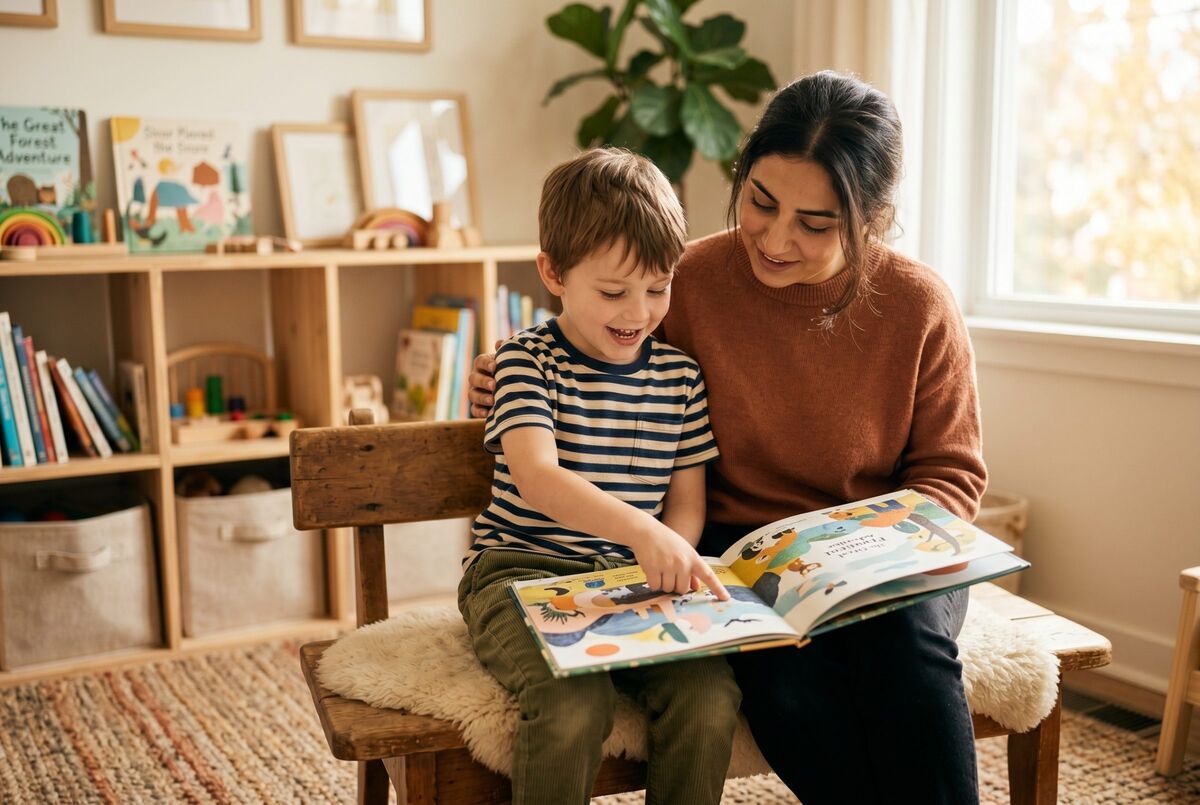
Personally vetted Persian (Farsi) tutors who teach children. Lessons built around picture books, nursery rhymes, and the heritage vocabulary that makes a child feel close to their grandparents.
Your instructors
Persian for Kids tutors for private lessons & classes
Strommen has been teaching languages since 2006, and we vet every teacher ourselves rather than running an open marketplace. Our Persian roster is small and curated, with several tutors who specifically work with heritage children and a few who teach Farsi from scratch. Each bio is real, including the photo and the rates.
Filter by location, age, or price, then book a 30-minute free trial. The trial is also the child's chance to meet the tutor; rapport is usually obvious within ten minutes.
Below are the Strommen tutors who teach Persian to children. Photos, ratings, and rates are real. Click any card to read a bio and book a free 30-minute trial.
I want to learn…
Every tutor, personally met. — founder-vetted since 2006, in Los Angeles and online worldwide.
Get a personalized plan
Pick your language — a language advisor will match you with the right tutor and map out your path.

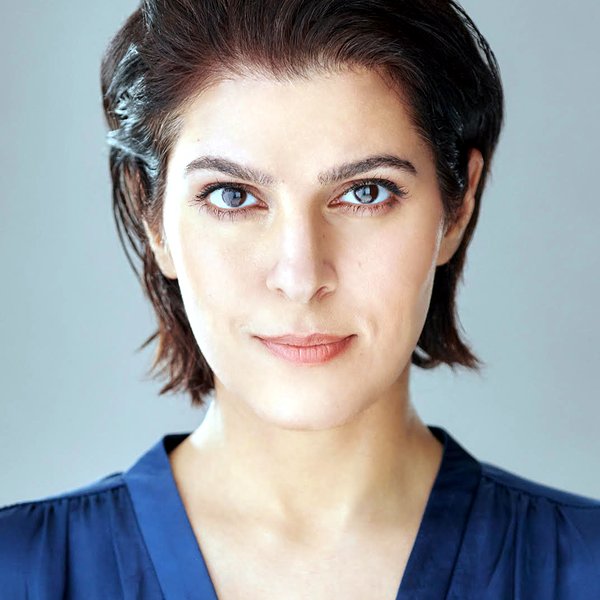

Associates in three different majors
Learn with Me: Where Language Meets Culture, Creativity, and Conversation!
Personally vetted · Strommen’s note
Sheida spent over fifteen years working with kids before she ever tutored one, and she's taught Farsi and French for eleven years since.
Specialties
Associates in three different majors
Learn with Me: Where Language Meets Culture, Creativity, and Conversation!
Specialties
Personally vetted · Strommen’s note
Sheida spent over fifteen years working with kids before she ever tutored one, and she's taught Farsi and French for eleven years since.
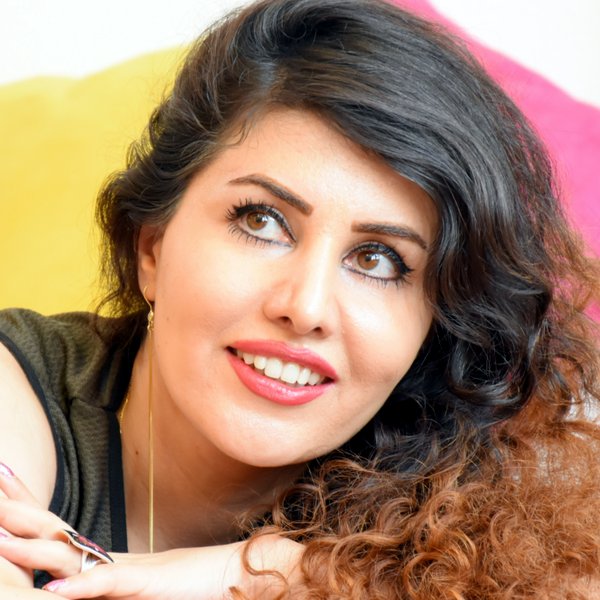

Master's degree in English teaching
Explore Persian Culture and gain fluency with Elaheh
Personally vetted · Strommen’s note
Fifteen years teaching English and Farsi, five of them as an international instructor, shaped how Elaheh builds lessons: around real situations, not scripts.
Specialties
Master's degree in English teaching
Explore Persian Culture and gain fluency with Elaheh
Specialties
Personally vetted · Strommen’s note
Fifteen years teaching English and Farsi, five of them as an international instructor, shaped how Elaheh builds lessons: around real situations, not scripts.
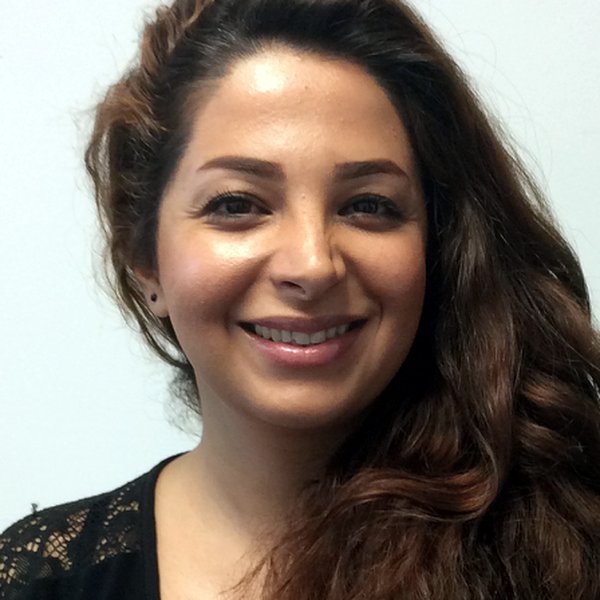
Francais langue seconde university of Montreal (CANADA), Le certificat La traduction de la langue francaise Allameh tabatabaei (IRAN), Le baccalaureat
Learn French and Farsi with an Experienced tutor
Personally vetted · Strommen’s note
Université de Montréal-trained in French as a second language and fluent in Farsi, Maryam built her own interactive life-simulation game for lessons.
Specialties
Francais langue seconde university of Montreal (CANADA), Le certificat La traduction de la langue francaise Allameh tabatabaei (IRAN), Le baccalaureat
Learn French and Farsi with an Experienced tutor
Specialties
Personally vetted · Strommen’s note
Université de Montréal-trained in French as a second language and fluent in Farsi, Maryam built her own interactive life-simulation game for lessons.

بچهها bacheha — Persian the way kids learn it
5 things every Persian-learning kid encounters early
These are the building blocks Iranian children grow up with, and the same anchors used in any solid heritage program. Save the list and book a tutor to build a lesson around them.
-
01
جون -joon (the affectionate suffix)
Persian builds warmth into everyday speech by attaching -joon to names and family words. Madar-joon (dear mom), pedar-joon (dear dad), khaaleh-joon (dear aunt), and a child's own name becomes Sara-joon or Arya-joon when a grandparent calls them. The suffix is the audible signature of Persian family talk, and a child who learns it sounds instantly closer to their relatives.
e.g. Madar-joon, biya inja. ("Dear mom, come here.")
-
02
نوروز Norouz
The Persian New Year, falling on the spring equinox in March. The haft-seen table with its seven symbolic items, the jumping-over-fires of chaharshanbe suri, and the family-visiting two weeks of Norouz are the cultural backbone of every Iranian childhood. Tutors build a spring unit around Norouz vocabulary, songs, and rituals so the child can participate in family celebrations fluently.
e.g. Eid-e shoma mobarak. ("Happy new year to you.")
-
03
اتل متل توتوله Atal matal toutouleh
The most famous Persian nursery rhyme. A counting-out song every Iranian child grows up reciting at recess, with a rhythm and rhyme that lodge in a child's ear after two or three hearings. It is the Persian equivalent of "Eeny meeny miny moe," and a tutor working with younger kids loops it in regularly.
e.g. Atal matal toutouleh, gaav-e Hassan chetowreh? (The opening lines of the rhyme.)
-
04
خرس کوچولو Khers-e Kuchulu (Little Bear)
The flagship Persian-language picture book series for young children, with short rhythmic text and vocabulary built for absorption rather than instruction. Tutors keep a small library of these and read aloud with expression, modeling natural Persian intonation in a way no app can. Repeat reading is the point; kids learn the rhythm before they parse the grammar.
e.g. Khers-e Kuchulu mikhabad. ("Little Bear is sleeping." A typical sentence from the series.)
-
05
شب یلدا Shab-e Yalda
The longest night of the year, late December, when Persian families stay up eating pomegranates and watermelon and reading the poetry of Hafez. For kids the night means staying up past bedtime with the grandparents, which is both cultural and unforgettable. Tutors run a Yalda unit in early winter covering the vocabulary, the foods, and the tradition itself.
e.g. Shab-e Yalda mobarak. ("Happy Yalda night.")
About Persian for Kids
Heritage Persian, taught the way kids learn
Most of the families who come to Strommen for kids' Persian are Iranian-American heritage families, often in the second or third generation, and the goal is almost always the same: the child should be able to talk to grandparents and aunts and uncles in real Farsi rather than the half-English mix that creeps in by elementary school. A few families are not Iranian but have chosen Persian for cultural reasons, a love of Persian poetry, an interest in Iranian cinema, or a partner whose family speaks the language. Both profiles are welcome, and tutors calibrate the lesson plan accordingly. A heritage child usually arrives with strong listening comprehension and a small but genuine speaking vocabulary, so the work is about activating production and adding the script. A from-scratch child needs all four skills built carefully from the ground up.
Persian is written in a modified Arabic script that runs right to left, and the alphabet has 32 letters. Several letters share a base shape and differ only by the number and position of dots, which is forgiving for young learners because the visual logic is consistent. Children typically reach automatic letter recognition in six to eight weeks of regular short lessons, faster than parents expect, because Persian is phonetic and the spelling is reliable. Early reading uses the same vowel-marked texts that Iranian first graders use, with the diacritical marks (zir, zebar, pish) printed above and below the consonants to guide pronunciation. The diacritics drop away as the child progresses, the same way training wheels come off a bike.
Vocabulary for kids leans heavily on the warmth that Persian builds into everyday speech. The language has a famous habit of adding affectionate diminutive endings to almost any noun a child encounters, and a tutor working with kids uses these naturally throughout the lesson. The suffix -joon, added to a name or a kinship word, turns a relative into a beloved relative: madar-joon (dear mom), pedar-joon (dear dad), khaaleh-joon (dear aunt), khaaleh-joonam (my dear aunt). The same suffix attaches to pets, to a favorite toy, to a best friend. A tutor who folds joon, azizam (my dear), and ghorbunet beram (a tender Persian idiom that literally means "may I be a sacrifice for you" and is used the way English-speakers might say "sweetheart") into the lesson teaches the child something deeper than vocabulary, which is that Persian is a culturally affectionate language and that the warmth is part of how it sounds.
Norouz, the Persian New Year, is the cultural fixed point of any kids' Persian curriculum. Falling on the spring equinox in March, Norouz brings two weeks of family visiting, the haft-seen table with its seven symbolic items, the jumping-over-fires of chaharshanbe suri the Tuesday before, and the visiting-of-relatives on sizdah be-dar the thirteenth day. Tutors build a Norouz unit each spring, covering the vocabulary, the songs (the haji firooz street songs are children's favorites), and the cultural rituals so the child has both the language and the context to participate in family celebrations. Yalda night in late December, the longest night of the year, is the other major kid-friendly cultural unit, with its tradition of staying up late eating pomegranates and watermelon and reading Hafez.
Picture books in Persian are a real resource and a few authors are household names in Iranian children's literature. The Khers-e Kuchulu (Little Bear) series, written and illustrated by various contemporary Iranian artists, is the closest equivalent to the Anglophone classics, with short rhythmic text and vocabulary a five-year-old can absorb on repeat readings. The works of Mohammad-Reza Yousefi and the collected children's poetry of Mostafa Rahmandoust (his "Sad Daane Yaaqut," One Hundred Rubies, is a children's vocabulary classic) give a tutor a deep library to read from. For a child whose family came to the US a generation back, these books also reconnect the child to a literary tradition the grandparents grew up with. Tutors who teach this age usually keep a small physical library at home and send PDFs of single stories home with the parent for between-lesson reading.
Songs and nursery rhymes are the other reliable channel into a young learner's memory. "Atal matal toutouleh" is the most famous Persian nursery rhyme, a counting-out song every Iranian child grows up reciting. The lullaby "Lala-i" and the Norouz songs like "Aamad baha" each carry vocabulary that lodges in a child's ear in a way drills cannot match. A tutor who sings along, even imperfectly, gives the lesson a quality that an academic class cannot.
The practicalities are not complicated. Most lessons run 30 minutes for ages five to nine, 45 minutes for ages ten to twelve, and up to an hour for the older end of the range. Online lessons over Zoom or Jitsi work fine from about age seven, and several of our Persian tutors teach in person around the Westside, Beverly Hills, Brentwood, Westwood (where the largest Iranian-American community in the US lives), and the Valley. Heritage families often arrange for a grandparent to sit in occasionally, which is both lovely and pedagogically useful because the child practices Persian with a real native ear in the same hour they are learning it. Parents do not need to sit through every lesson, but a short five-minute review with the child afterward, in Persian if possible, dramatically accelerates retention.
Our kids' Persian tutors include Iran-born native speakers with classroom experience, longtime Iranian-American bilinguals who specialize in heritage learners, and a few tutors trained specifically in pediatric language acquisition. Each bio specifies background, age range taught, and teaching style, so you can match your child to a tutor whose energy and approach fits. The trial lesson is the place to see whether the rapport is there. With a young child, you usually know inside ten minutes.
What you'll cover
Lessons & classes tailored to Persian for Kids
The Persian alphabet through games
Early lessons teach the 32-letter Persian alphabet via memory games, songs, and short stamp-and-trace drills rather than worksheets. Children typically reach automatic letter recognition in six to eight weeks of regular short sessions, faster than parents expect, because Persian spelling is phonetic and reliable. The dot-based logic of letter shapes is learnable as a puzzle, not a burden.
Heritage vocabulary and the warmth suffix
For Iranian-American families, the priority is usually the vocabulary the child needs at family gatherings: kinship terms, holiday words, food words, and the affectionate suffix -joon that turns every relative into a beloved one. Tutors build this in from lesson one, and many heritage children move from passive listening to active speaking in a single semester of regular lessons. Our general Persian tutors page covers the adult-track equivalent.
Norouz, Yalda, and the cultural calendar
A school-year arc cycles through the major Iranian cultural moments: Norouz in spring (haft-seen table, chaharshanbe suri, sizdah be-dar), Yalda in late December (pomegranates, watermelon, Hafez poetry), and Mehregan in autumn. Vocabulary, songs, and short stories anchor each, and the child grows up able to participate in family celebrations rather than watching from the side.
Picture books, nursery rhymes, and Persian poetry for kids
Persian has a deep children's literature tradition. The Khers-e Kuchulu series, the children's poetry of Mostafa Rahmandoust, and the nursery rhymes every Iranian child grows up with (Atal matal toutouleh chief among them) become the lesson texts. For older kids, gentle introductions to Hafez and Saadi at age-appropriate levels open the door to a literary tradition the grandparents likely grew up with.
FAQ
About Persian for Kids lessons & classes
My child understands Persian at home but won't speak it. Can a tutor help?
Yes, and this is one of the most common reasons heritage families book lessons. The pattern of strong receptive Persian and weak productive Persian is normal in second-generation kids, and the fix is structured practice with a tutor who is not a family member. Tutors specifically trained on heritage learners spend the first few months activating the speaking the child already has stored, then build out vocabulary and grammar from there.
What age can my child start learning the Persian script?
Most kids are ready for letter work around age six or seven, once they have a few months of spoken Persian behind them and they can sit for short reading exercises. Younger kids can recognize a small set of high-image letters before they read them as language. The 32-letter Persian alphabet is phonetic and reliable, and most kids reach automatic recognition in six to eight weeks of regular short lessons.
Will learning Persian confuse my child's English?
No. The research on bilingual children is settled: kids who grow up with two languages develop both fully and often outperform monolingual peers on certain cognitive measures by elementary school. Short periods of mixing words from each language are normal and self-correcting. A tutor who is consistently Persian during lessons gives the child a clean second-language environment without disturbing English at all.
How long should a Persian lesson be for a young child?
Thirty minutes is the typical sweet spot for ages five to nine. Forty-five minutes works for ages ten to twelve. A full hour fits most thirteen and fourteen-year-olds. Shorter, more frequent sessions almost always outperform a single longer weekly lesson at the younger end, both for retention and for keeping the child looking forward to the next session.
Are online Persian lessons effective for kids?
Yes, from about age seven. Younger than that, in-person tends to hold attention better because the tutor can use physical books, props, and movement. For elementary-age and older kids, online lessons via Zoom or Jitsi work well, and a parent does not need to sit through the lesson. Tutors send a short note after each session about what was covered and what to practice.
Can my child take Persian lessons in person in Los Angeles?
Yes. Several of our Persian tutors teach in person around the Westside, Beverly Hills, Brentwood, Westwood (which has the largest Iranian-American community in the US), and the Valley. Each tutor's profile shows their available formats and locations. Online and in-person can also be mixed.
Are your kids' Persian tutors native speakers?
Most are Iran-born native speakers with classroom or private-teaching experience. A few are longtime Iranian-American bilinguals who specialize in heritage learners. Each bio specifies background and teaching style so you can match to a tutor whose approach fits your child.
Ready for Persian for Kids lessons or classes?
Book a free 30-minute trial with one of our personally vetted tutors. Private lessons or small-group classes — your choice.