



Personally vetted instructors
Conversational Farsi tutors, lessons & classes
سلام Salaam The all-purpose Persian hello, used across age and register from a child's classroom to a business meeting.
Personally vetted Conversational Farsi tutors. Lessons centered on how Persian is actually spoken at a Tehrangeles family table, a Tehran cafe, or a video call with your in-laws, not the careful Tehran-broadcast register that most textbooks lead with.
Your instructors
Conversational Farsi tutors for private lessons & classes
Strommen has been teaching Persian out of Los Angeles since the Tehrangeles community came into its own, with most of our students coming from the diaspora and their partners. The roster is curated, not crowdsourced. Every teacher here was met and vetted by us, and bios are the tutors' own.
Filter by location, age, or price. Then book a 30-minute free trial.
Below are the Strommen tutors who specialize in Conversational Farsi. Photos, ratings, and rates are real. Click any card to read a bio and book a free 30-minute trial.
I want to learn…
Every tutor, personally met. — founder-vetted since 2006, in Los Angeles and online worldwide.
Get a personalized plan
Pick your language — a language advisor will match you with the right tutor and map out your path.

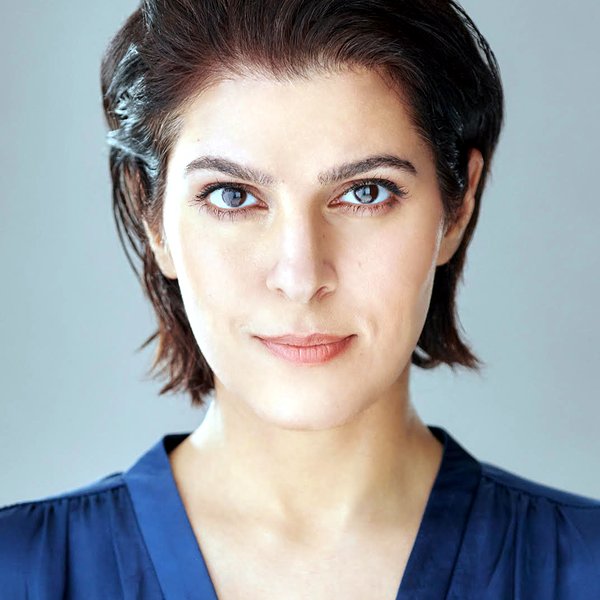

Associates in three different majors
Learn with Me: Where Language Meets Culture, Creativity, and Conversation!
Personally vetted · Strommen’s note
Sheida spent over fifteen years working with kids before she ever tutored one, and she's taught Farsi and French for eleven years since.
Specialties
Associates in three different majors
Learn with Me: Where Language Meets Culture, Creativity, and Conversation!
Specialties
Personally vetted · Strommen’s note
Sheida spent over fifteen years working with kids before she ever tutored one, and she's taught Farsi and French for eleven years since.
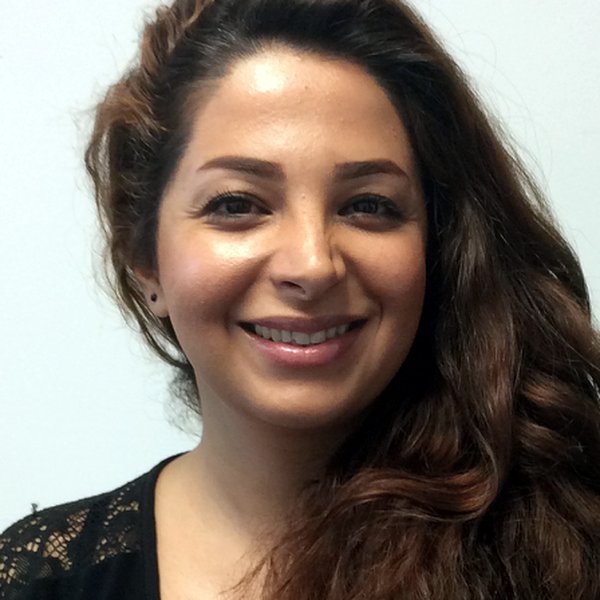
Francais langue seconde university of Montreal (CANADA), Le certificat La traduction de la langue francaise Allameh tabatabaei (IRAN), Le baccalaureat
Learn French and Farsi with an Experienced tutor
Personally vetted · Strommen’s note
Université de Montréal-trained in French as a second language and fluent in Farsi, Maryam built her own interactive life-simulation game for lessons.
Specialties
Francais langue seconde university of Montreal (CANADA), Le certificat La traduction de la langue francaise Allameh tabatabaei (IRAN), Le baccalaureat
Learn French and Farsi with an Experienced tutor
Specialties
Personally vetted · Strommen’s note
Université de Montréal-trained in French as a second language and fluent in Farsi, Maryam built her own interactive life-simulation game for lessons.
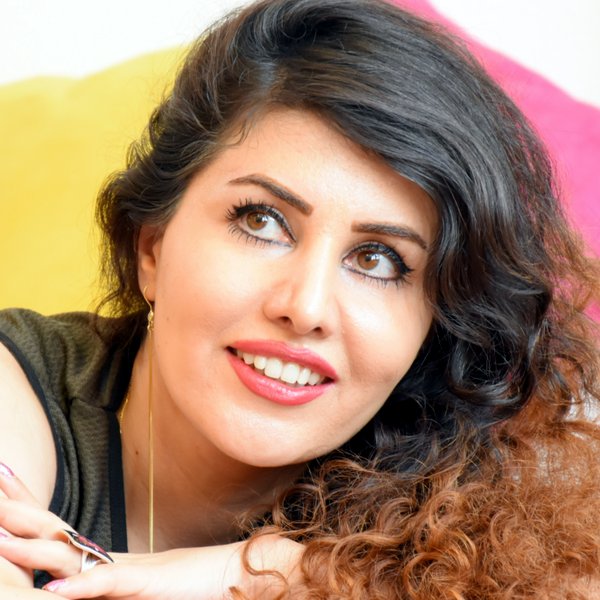

Master's degree in English teaching
Explore Persian Culture and gain fluency with Elaheh
Personally vetted · Strommen’s note
Fifteen years teaching English and Farsi, five of them as an international instructor, shaped how Elaheh builds lessons: around real situations, not scripts.
Specialties
Master's degree in English teaching
Explore Persian Culture and gain fluency with Elaheh
Specialties
Personally vetted · Strommen’s note
Fifteen years teaching English and Farsi, five of them as an international instructor, shaped how Elaheh builds lessons: around real situations, not scripts.

تعارف Ta'arof — culture & politeness
5 cues that mark Persian you actually speak
These are the small details that separate a learner who has spent time with Persian speakers from one who has only studied the language. Save the list. Then book a tutor to work them into real exchanges.
-
01
Ta'arof تعارف
The elaborate system of ritual politeness that governs almost every Persian social interaction. Offering, refusing, re-offering, insisting, deflecting. A shopkeeper says the price is not worthy of you. The customer insists. The negotiation continues. An invitation might be ceremonial the first time and real the third. A learner who does not know the rules of ta'arof gets the conversation wrong in either direction (taking the gift, or refusing the real offer). Tutors treat ta'arof as a core skill, not background reading.
e.g. Host: Befarmaeed, befarmaeed (please, please, eat / sit / take). Guest: Merci, merci (thank you, thank you), khaheshmikonam (no, I couldn't). Several rounds before anyone actually eats.
-
02
Shoma vs to (شما vs تو)
The formal-informal pronoun split. Shoma is the formal you, used with elders, strangers, and any context that calls for respectful distance. To is the informal you, used with close friends, family, and children. The choice is not optional and not neutral. A learner who uses shoma with a close friend sounds oddly distant. A learner who uses to with an elder sounds rude. The grammar shifts with the pronoun, so the choice ripples through every sentence.
e.g. Shoma chetor hastid? (formal, "How are you?") vs To chetori? (informal, same meaning to a close friend).
-
03
Hafez and Sa'di in the middle of a conversation
Persian poetry is not a high-cultural relic; it is daily speech. A speaker mid-conversation will quote a line of Hafez to settle an argument, close a story with Sa'di, or open a wedding speech with Rumi. Iranians keep Hafez at home and consult the Divan on important occasions. A learner who reaches intermediate Persian and ignores the poetic layer hits a ceiling they cannot push past, because so much of educated conversation runs through literary reference.
e.g. Mid-disagreement, an older relative might quote: "Bani Adam aazaay-e yek peykarand" (Sa'di: "The children of Adam are limbs of one body").
-
04
Norouz نوروز
The Persian New Year, celebrated on the spring equinox around March 20-21. The thirteen-day holiday anchors the Iranian year across Iran, Afghanistan, Tajikistan, and the diaspora. The haft-sin table with seven symbolic items, the family visits in order of seniority, the recitation of Hafez, the Sizdah Bedar picnic on the thirteenth day. Knowing the rhythm of Norouz is almost as important as knowing the grammar for any learner whose Persian goal involves Iranian family or community.
e.g. Eyd-e shoma mobarak! ("Happy New Year to you!") — said throughout the thirteen days of Norouz.
-
05
Indo-European, written in Perso-Arabic script
Persian is Indo-European, not Semitic, despite the Arabic-derived script. The grammar is closer to French or Hindi than to Arabic, with no grammatical gender, no noun cases, and a regular verb system. The script is a one-time investment of about a month for a focused adult. Once it is in place, Persian is highly phonetic and the writing system stops being a barrier and becomes ordinary reading.
e.g. The Persian word for mother is مادر (mādar), cognate with English mother, German Mutter, Sanskrit मातर्. Same Indo-European root, written in Perso-Arabic letters.
About Conversational Farsi
Persian is the warmest language you will ever have to learn the politeness of
Persian, called Farsi in Iran, Dari in Afghanistan, and Tajik in Tajikistan, is the lingua franca of more than seventy million native speakers and a working second language for tens of millions more across Iran, Afghanistan, Tajikistan, Uzbekistan's Samarkand and Bukhara, and a major global diaspora. Los Angeles alone has the largest Iranian population outside of Iran, concentrated heavily in Westwood, Beverly Hills, and the San Fernando Valley, and the Tehrangeles community speaks a Persian shaped by both its Tehran origins and decades of California life. The varieties are mutually intelligible. Dari, the Afghan variety, preserves an older pronunciation closer to classical Persian and is sometimes easier on the ear for learners coming through Persian literature. Tajik, written in Cyrillic rather than the Perso-Arabic script, is closer to spoken Farsi than to Dari in vocabulary but uses a different alphabet entirely. A learner picks the variety that matches the people they want to talk to, and the choice is usually clear from the first conversation.
What makes Persian unusual among Middle Eastern languages is its family. Persian is Indo-European, not Semitic, despite being written in a modified Arabic script. The grammar is closer to French or Hindi than to Arabic, with no grammatical gender, no noun case system, and a SOV (subject-object-verb) word order that takes some getting used to but is consistent. Verbs are regular at a rate that surprises learners coming from Arabic or even from Romance languages. The script is the largest one-time investment, with the right-to-left direction, the joined letterforms, and the four-position letter shapes that change depending on where a letter sits in a word. The script comes with practice in about a month for a focused adult, and Persian is highly phonetic once the script is in place, which is a real consolation.
The heart of conversational Persian is ta'arof, the elaborate system of ritual politeness that governs almost every social interaction in Iran and the Iranian diaspora. Ta'arof is the practice of offering, refusing, and re-offering through several rounds before anyone agrees on what is actually happening. A shopkeeper offers a discount and says "qabel-e shoma ra nadareh," "it is not worthy of you," meaning "don't worry about paying." The customer is expected to insist on paying, and the negotiation continues until a price is reached. An American walking into this without knowing the rules either pays nothing (rude) or takes the discount at face value (rude in a different way). Ta'arof extends through invitations ("come to dinner" the first time is often ceremonial, the third time it is real), compliments, offers of food and drink, and the relative ranking of who-honors-whom in almost any exchange. Lessons treat ta'arof as a core skill rather than cultural background reading, because in spoken Persian the politeness rituals are not optional context. They are the conversation.
The formal-informal split in Persian is rich and worth learning early. The verb "to be" has formal and informal forms that ripple through every sentence. Shoma (you, formal) versus to (you, informal) is the most obvious marker, and the choice is governed by age, social distance, and the speaker's stance more than by simple courtesy. A learner who uses shoma with a close friend sounds oddly distant, and a learner who uses to with an elder or a stranger sounds rude. The same English sentence translates differently depending on the relationship. Tutors teach the calibration alongside the forms, because in Persian you cannot pick a neutral register the way you can in English. You are always somewhere on the formal-informal scale, and the placement is part of what the sentence communicates.
The poetic register is the other piece of Persian that no other major language carries in the same way. Persian poetry by Hafez, Rumi, Sa'di, Ferdowsi, Khayyam, and a long list of others is not a high-cultural relic. It is part of everyday speech. A Persian speaker mid-conversation will quote a line of Hafez to settle an argument, end a story with a couplet from Sa'di, or open a wedding speech with Rumi. Iranians keep Hafez at home and consult the Divan-e Hafez on important occasions the way other cultures might consult an I Ching or a horoscope. A learner who reaches intermediate Persian and ignores the poetic layer hits a ceiling they cannot push past, because so much of educated conversation is laced with literary reference. Tutors do not push poetry on beginners. They start to fold it in once a learner can carry a basic conversation, because that is where the language opens up.
Norouz, the Persian New Year, is the cultural moment that anchors the Iranian year. It falls on the spring equinox, around March 20th or 21st, and is celebrated across all Persian-speaking communities including the Tehrangeles diaspora. The thirteen days of Norouz include the haft-sin table with its seven symbolic items, family visits in a specific order of seniority, the recitation of Hafez, and the picnic on Sizdah Bedar that closes the season. Knowing the rhythm of Norouz is almost as important as knowing the grammar for any learner whose Persian goal involves Iranian family or community. A tutor will time vocabulary, idioms, and listening practice around the calendar when relevant.
The political reality matters too. Persian carries the literature of one of the oldest continuous civilizations and is spoken now under conditions of sanctions, regime tension, and a diaspora shaped by 1979 and after. Iranians in Los Angeles are often deeply attached to the language and to the cultural inheritance that the script and the poetry preserve. Persian carpets are a national identity statement, not a decorative choice. Saffron, pomegranate, rose water, and the food culture they support are the daily texture of Iranian life. A tutor who can name this context helps a learner understand why a given conversation is going where it is going, and a learner who treats Persian as a neutral language without history will miss the warmth that is actually being offered.
Our Conversational Farsi tutors are native speakers from Tehran, Esfahan, Mashhad, and elsewhere in Iran, alongside Iranian-Americans who grew up in the Los Angeles diaspora and longtime bilingual teachers experienced with how English speakers stall in Persian. They calibrate to your goal at the trial, build the lesson plan around it, and adjust as you progress. You can browse the wider Strommen tutor directory for the rest of the roster.
What you'll cover
Lessons & classes tailored to Conversational Farsi
Ta'arof as a core conversational skill
The ritual politeness system is not cultural background reading in Persian. It is the conversation. Lessons treat ta'arof as a core skill, taught through real dialogue from the first month: the offer-refuse-insist rhythm, the differences between ceremonial and sincere invitations, the relative ranking of who honors whom in any exchange, and the verbal moves that signal which round of the negotiation you are in. A learner who controls ta'arof can navigate Iranian social contexts at a level no amount of pure grammar study reaches.
The script, taken in one focused month
Perso-Arabic script is the largest one-time investment in Persian and a smaller one than most learners expect. Lessons compress the reading and writing fundamentals into about a month of focused practice: the right-to-left direction, the four-position letter shapes (initial, medial, final, isolated), the joining rules, and the diacritics that beginner texts include. Persian spelling is highly phonetic once the script is in place, so after the initial investment the system stops being a barrier and becomes ordinary reading.
Formal-informal calibration across every sentence
Persian has no neutral register. Every sentence sits somewhere on the formal-informal scale through verb endings, pronoun choice (shoma vs to), and politeness vocabulary. Lessons drill the calibration as a core skill, not an advanced topic, because picking the wrong register is the single fastest way for a learner to sound off. Tutors teach how to read the social cues that govern the choice and how to shift registers within a single conversation as the relationship evolves.
Persian poetry, brought in once you can carry a conversation
The poetic register is one of the things that makes Persian what it is. Hafez, Rumi, Sa'di, Ferdowsi, and Khayyam show up in everyday conversation, in wedding speeches, in family arguments, and in the way Iranians close a story. Tutors do not push poetry on beginners. They fold it in once a learner can carry a basic conversation, because the poetic layer is where Persian opens up. A learner who avoids it hits a ceiling that no amount of vocabulary study breaks.
FAQ
About Conversational Farsi lessons & classes
What is the difference between Farsi, Persian, Dari, and Tajik?
All four refer to varieties of the same language, Persian. Farsi is the native name used by Iranians for the variety spoken in Iran. Persian is the older English name and is what most academics and many diaspora speakers prefer. Dari is the name for the variety spoken in Afghanistan, which preserves an older pronunciation closer to classical Persian. Tajik is the variety spoken in Tajikistan, written in Cyrillic rather than Perso-Arabic script. All four are mutually intelligible to varying degrees. Your tutor names which variety they teach based on your goal.
Is Persian related to Arabic?
No, despite the shared script. Persian is Indo-European, in the same family as English, French, Hindi, and Russian. Arabic is Semitic, in a completely different family. The two languages share a script (Persian uses a modified Arabic script with four extra letters) and a large vocabulary base because of centuries of cultural and religious contact, but the grammars are genuinely unrelated. A learner with Arabic background has a head start on the script and on vocabulary, and faces the same grammar from scratch as everyone else.
How long does it take to learn the Persian script?
About a month of focused practice for an adult, then ordinary use. The script has 32 letters, four position-dependent forms for each letter, and right-to-left direction. Persian spelling is highly phonetic, which makes the system regular once the basics are in place. Many learners report that the script feels intimidating before they start and ordinary after a few weeks of practice. Reading speed catches up to comprehension speed within a few months.
Is ta'arof really that important?
Yes, especially for any learner whose goal involves Iranian family, diaspora community, or work with Iranians. Ta'arof governs offers, invitations, compliments, payments, and the small social negotiations that make up most of an Iranian day. A learner who does not understand ta'arof gets the conversation wrong in both directions: refusing what was sincerely offered, or accepting what was ceremonially offered. Tutors teach it from the first month because it is not background reading. It is how Persian conversations actually move.
How long until I can hold a real conversation in Persian?
Depends on what counts as a conversation. Holding a simple family or cafe exchange usually comes within three to five months of one or two lessons a week with steady practice. Holding a relaxed ten-minute conversation about your day and your work takes longer, often six to twelve months for an adult starting from beginner. Following a casual conversation between two native speakers at full Tehran speed takes longer still. Comprehension usually outpaces production for a while, which is normal.
Are your Persian tutors native speakers?
Most are native speakers from Tehran, Esfahan, Mashhad, Shiraz, and elsewhere in Iran, alongside Iranian-Americans who grew up in the Los Angeles diaspora and longtime bilingual teachers experienced with adult learners. Each tutor's bio specifies background, region, and teaching experience. For conversational practice, what matters most is a tutor who can hear what is keeping your Persian from sounding natural and diagnose it specifically, plus the cultural literacy to teach ta'arof from the inside.
Can I take Persian lessons online?
Yes. Most of our Persian tutors teach online via Zoom or Jitsi and work with students worldwide, which fits this specialty well since the lesson is mostly speaking and listening. Several teach in person in the Tehrangeles area of Los Angeles. The booking widget on each tutor profile shows the available formats and live availability.
I am a heritage speaker who understands but barely speaks. Is this the right specialty?
Yes, and it is the most common Strommen profile for Persian. Heritage learners usually have a strong passive ear from family conversations and very little active production, often combined with embarrassment about how their grandparents would hear them speak. A conversational tutor builds on the listening foundation rather than starting from zero, which is much faster than a beginner course. Most heritage learners are functional in real conversation within a few months once they start producing the language regularly, often within weeks.
Ready for Conversational Farsi lessons or classes?
Book a free 30-minute trial with one of our personally vetted tutors. Private lessons or small-group classes — your choice.