



Personally vetted instructors
Conversational Tagalog tutors, lessons & classes
Kumusta! The casual Filipino hello, used freely the moment a relationship is warm.
Personally vetted Conversational Tagalog tutors. Lessons rooted in how Filipinos actually speak with each other, including the steady English-Tagalog code-switch that defines modern Manila.

Your instructors
Conversational Tagalog tutors for private lessons & classes
Strommen has placed Tagalog tutors for years, and the steady ask has always been conversational comfort rather than academic study. Strommen is a curated practice rather than an open marketplace, so every teacher below was met and vetted by us. Bios are the tutors' own.
Filter by location, age, or price. Then book a free 30-minute trial and tell the tutor whether you are starting fresh or reactivating heritage Tagalog from family contexts.
Below are the Strommen tutors who specialize in Conversational Tagalog. Photos, ratings, and rates are real. Click any card to read a bio and book a free 30-minute trial.
I want to learn…
Every tutor, personally met. — founder-vetted since 2006, in Los Angeles and online worldwide.
Get a personalized plan
Pick your language — a language advisor will match you with the right tutor and map out your path.



Bachelor's degree in secondary education, majoring in English. Masters degree in English language teaching.
English and Tagalog Certified Teacher with Masters Degree in English
Personally vetted · Strommen’s note
Princess is a licensed secondary teacher with a Master's in English. She also teaches Tagalog, a genuinely rare pairing on our roster.
Specialties
Also speaks: Spanish
Bachelor's degree in secondary education, majoring in English. Masters degree in English language teaching.
English and Tagalog Certified Teacher with Masters Degree in English
Specialties
I also speak: Spanish
Personally vetted · Strommen’s note
Princess is a licensed secondary teacher with a Master's in English. She also teaches Tagalog, a genuinely rare pairing on our roster.
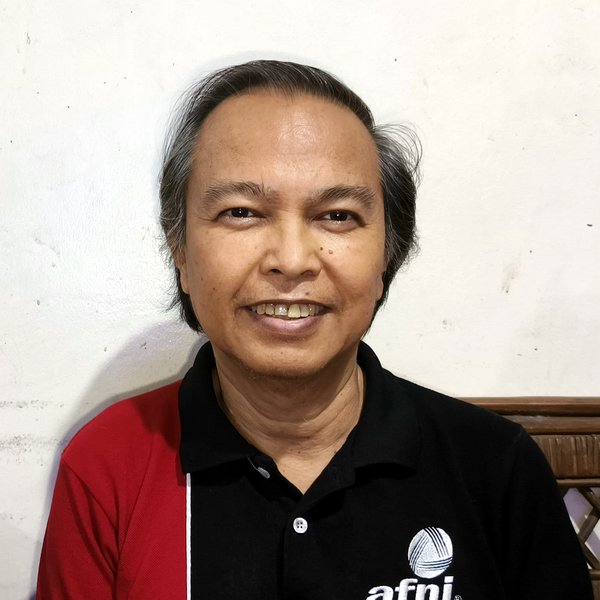
B. S in Biology F. E. U Graduate. Post grad 2nd year proper Medicine NRMF inst of Medicine
Kuya Rommel from the beautiful country Philippines
Personally vetted · Strommen’s note
Rommel, known to students as 'Kuya,' starts every lesson by pinpointing exactly where someone's stuck, then builds the plan from there.
Specialties
B. S in Biology F. E. U Graduate. Post grad 2nd year proper Medicine NRMF inst of Medicine
Kuya Rommel from the beautiful country Philippines
Specialties
Personally vetted · Strommen’s note
Rommel, known to students as 'Kuya,' starts every lesson by pinpointing exactly where someone's stuck, then builds the plan from there.

Wikang araw-araw — daily Filipino speech
5 things that mark Tagalog you actually hear
These are not vocabulary items. They are the cues that separate a learner who has been around Filipinos from one who has only worked through a book. Save the list. Then book a tutor to work through them in real conversation.
-
01
Po and opo
Respect markers used with anyone older or of higher social standing. Adding po to a sentence shifts it into the polite register; opo is yes-with-respect, replacing a flat oo. Dropping them with a tita or a senior colleague reads as rude in a way a learner feels the moment it is pointed out. Tagalog tutors drill po and opo from the first month because nothing makes a non-Filipino learner sound oddly cold faster than skipping them.
e.g. Salamat po sa pagkain, Tita. Sarap. ("Thank you for the food, Tita. Delicious.")
-
02
Taglish
The natural English-Tagalog code-switch that defines urban Filipino speech. Filipinos move between the two languages several times per sentence, with English carrying technical, work, and global vocabulary while Tagalog carries emotion, family, and texture. A learner who refuses to mix sounds more formal than any of the people they are talking to. The work is learning when Taglish is right and when leaning fully into Tagalog (elders, the province, formal settings) is the better move.
e.g. Kasi I was thinking, baka mas okay if we move it to next week, kasi busy ako sa Friday.
-
03
Kuya, Ate, Tito, Tita
Family-respect terms extended into everyday social space. Kuya is older brother and the casual address for any roughly-peer-aged man (the bakery guy, the driver). Ate is older sister, used the same way. Tito and tita extend into the parent generation. Filipinos use these constantly with non-relatives, and a learner who only uses first names reads as someone who has not yet absorbed how Filipino social space works.
e.g. Ate, isa pang kape please. ("Ate, one more coffee please.")
-
04
Verb focus
Tagalog verbs change form depending on whether the focus of the sentence is the actor, the object, the location, the beneficiary, or the instrument of the action. Kumain ako ng kanin (I ate rice, actor-focus) versus Kinain ko ang kanin (the rice was eaten by me, object-focus) are different grammatical structures, not stylistic choices. Learners who map Tagalog onto English instincts get lost; tutors drill the actor-focus default first and layer in the others.
e.g. Magluluto ako ng adobo (actor-focus, I'll cook adobo) vs Lulutuin ko ang adobo (object-focus, I'll cook the adobo).
-
05
The indirect-no register
Filipinos rarely say no directly. Baka next time ("maybe next time"), siguro ("maybe"), and a soft sige na lang ("all right then") often do the work of polite decline. The English-speaker instinct to read these as soft yeses misses the cultural cue. A tutor surfaces this register early, especially for learners preparing for in-law families or work with Filipino colleagues, so that softened refusals are heard correctly.
e.g. Pwede ka ba sa Saturday? Hmm, baka next time na lang. ("Are you free Saturday?" "Hmm, maybe next time instead.")
About Conversational Tagalog
Tagalog as it is actually spoken, Taglish and all
The most surprising thing about real spoken Tagalog, for a learner expecting the version on Duolingo, is how much English is in it. Filipinos who grew up in Manila, in Cebu among Tagalog-speaking family, or in the global Filipino diaspora switch between Tagalog and English several times per sentence without breaking pace. "Kasi I was thinking, baka mas okay if we move it to next week, kasi busy ako sa Friday." That mix has a name (Taglish), it is the everyday register most urban Filipinos actually speak, and a learner who insists on pure Tagalog ends up sounding more formal than any of the people they are trying to talk to. Conversational Tagalog lessons take that seriously: the goal is not to scrub English out of the language, it is to learn the rhythm Filipinos actually use and to recognize when to lean Tagalog-heavy (with elders, in the province, in formal settings) and when Taglish is the natural choice.
Tagalog itself has roughly 30 million native speakers, and it is the basis for Filipino, the national language of the Philippines as adopted in the 1987 constitution. Filipino and Tagalog are essentially the same language in everyday practice, with Filipino designed to be a wider umbrella that absorbs vocabulary from other Philippine languages, English, and Spanish. For a conversational learner, the practical answer is that studying Tagalog gets you Filipino. The two are not different study tracks. Outside Manila, in regions where Cebuano, Ilocano, Hiligaynon, or Waray are the home languages, Filipinos generally also speak Tagalog (or Filipino) as a second language, picked up through media, school, and national life. A learner who reaches conversational comfort can travel almost anywhere in the country and be understood.
The single feature of Tagalog that defines how it feels to speak is the respect-marking system. Po and opo are not grammar in the European sense, they are register cues. Adding po to a sentence marks it as respectful: "salamat" is thanks, "salamat po" is thanks said properly to someone older, a customer, a teacher, a parent. Opo is yes-with-respect; saying just "oo" to your tita is rude in a way English-speakers feel immediately once it is explained. Filipino kids absorb the rule before they can fully explain it. Adult learners need lessons to make it reflex, and tutors drill po and opo from the first month because nothing makes a non-Filipino learner sound oddly distant faster than dropping them where a Filipino would always include them.
The other piece of conversational Tagalog that lives outside any grammar chart is the family-and-respect vocabulary. Kuya is older brother, ate (pronounced AH-teh) is older sister, and Filipinos use both terms with anyone roughly the right age and the right kind of relationship, far beyond blood family. The pretty teenager helping you at the bakery is ate. The young guy on the security desk is kuya. Tito and tita extend the same logic into the parent-generation. Lolo and lola for grandparents reach out into anyone elderly and warm. None of these are optional in conversation, and a learner who refers to people only by name reads as someone who has not yet absorbed how Filipino social space works. A tutor folds these in from week one because they are everywhere.
There is also the cultural register that surrounds the language and that learners run into early: the famously emphasized hospitality, the way mealtime conversations stretch and circle, the polite resistance to direct confrontation. Filipinos have a strong cultural attention to hiya, the felt sense of face, and to delikadesa, a kind of social tact. Saying no directly is rare. Phrases like baka next time and siguro do the work of polite decline. Reading those cues correctly is part of conversational fluency, and a tutor surfaces them rather than leaving the learner to misread softened refusals as soft maybes. The famous Filipino bayanihan spirit ("community in shared effort") and the everyday cultural weight of utang na loob (a sense of long-running gratitude and obligation) are not vocabulary items, they are the substrate inside which a lot of conversation happens.
The grammar itself rewards patient adult study. Tagalog has a verb-focus system that is genuinely different from English, where the verb's affix tells you whether the subject of the sentence is the actor, the object, the location, the beneficiary, or the instrument of the action. "Kumain ako ng kanin" (I ate rice, actor-focus) versus "Kinain ko ang kanin" (the rice was eaten by me, object-focus) are not stylistic variants, they are different grammatical structures with different emphases. Learners who try to map Tagalog onto English subject-verb-object instincts get lost. A working tutor sequences the actor-focus forms first because they are the conversational default, then layers in the others as confidence grows. The reward for the work is that once focus clicks, Tagalog sentences become flexible in a way that mirrors how Filipinos actually emphasize what matters in real talk.
Most students who reach out for Conversational Tagalog fall into a few groups. Heritage Filipino-Americans who grew up understanding their parents and grandparents but rarely speaking. Partners of Filipinos preparing to meet family or get married into a Filipino household. Adopted Filipinos reconnecting with the language as adults. Aid workers, missionaries, and NGO staff with Philippine assignments. Business travelers heading to Manila or Cebu who want to do more than survive in English. Adult adoptees and second-generation Filipinos in California, Hawaii, the Pacific Northwest, the New York area, and across the diaspora who want to give their kids a connection to the language. Each of these has a different starting point and finish line, and a working tutor adjusts the plan accordingly.
Our Conversational Tagalog tutors are native and heritage speakers, several based in the Philippines and several Filipino-American teachers who have worked with heritage and adult-beginner learners for years. They calibrate at the trial lesson, build a lesson plan around your actual goal, and update the plan as you progress. You can read each tutor's background in their bio and book a 30-minute free trial directly from any profile. The full Strommen tutor directory shows the wider roster if you want to compare options first.
What you'll cover
Lessons & classes tailored to Conversational Tagalog
Taglish without apology
Real spoken Tagalog includes English, and the lesson plan reflects that. Students learn the rhythm of natural code-switching, when to lean Tagalog-heavy (with elders, in the province, in formal contexts) and when Taglish is the everyday default. The work is not learning to scrub English out, it is learning when each register fits. Heritage learners often have the instinct and need permission to use it; adult beginners often need the switch demonstrated several times before it stops feeling wrong.
Po, opo, and the respect system
Tagalog's respect markers are not optional politeness, they are register cues that shift the entire feel of a sentence. Lessons drill po and opo from the start, fold in kuya, ate, tito, tita, lolo, lola as everyday social vocabulary, and build the reflex through dialogue rather than rules. A student who learns these as native speakers learn them, by use and by feel, sounds calibrated rather than stiff.
Verb focus, sequenced
Tagalog's verb-focus system is the deepest grammatical feature for an English-speaking adult, and the place beginner courses are most likely to gloss over. Lessons start with the actor-focus forms (the conversational default), build comfort there, then layer in object-focus, location-focus, and the rest as the student becomes ready. The reward is real flexibility in how to emphasize what matters in a sentence.
Hospitality, hiya, and reading the room
Filipino culture lives inside Filipino conversation in concrete ways: the legendary hospitality, the long mealtimes, the indirect-no register, the felt sense of hiya and delikadesa, the warmth of bayanihan and utang na loob. Lessons fold these in alongside vocabulary because a learner who has the grammar without the cultural register sounds correct and slightly off at the same time. If you want a fuller introduction to the culture between lessons, our blog post on Filipino values and language is a useful read (blog post not yet published).
FAQ
About Conversational Tagalog lessons & classes
Is Tagalog the same as Filipino?
In everyday practice, yes. Filipino is the national language of the Philippines as established in the 1987 constitution. It is designed as an umbrella that absorbs vocabulary from other Philippine languages, English, and Spanish, but its grammatical base is Tagalog. Studying Tagalog gets you Filipino. Outside Manila, where Cebuano, Ilocano, Hiligaynon, or Waray are home languages, Filipinos generally speak Tagalog or Filipino as well, picked up through media and school. A learner with conversational Tagalog can be understood almost anywhere in the country.
Will real Filipinos really mix English into the conversation like that?
Constantly. Taglish is not a learner's crutch, it is the everyday register of urban Filipino speech, and Filipino professionals, students, and families switch between English and Tagalog several times per sentence as a matter of course. A learner who tries to speak pure Tagalog in a Manila office actually sounds more formal than the people they are trying to talk to. The work is learning when Taglish is right and when fully Tagalog is the right register, not avoiding the mix.
I am a heritage Filipino-American who understands but barely speaks. Is this the right specialty?
Almost always yes. Heritage learners come in with a strong listening foundation, real vocabulary from family contexts, and instinctive grasp of the cultural register, and what is missing is active production and confidence in unfamiliar situations. A conversational tutor builds on the listening you already have rather than restarting from beginner one, which is much faster than treating you as a new learner. Most heritage students are functional in conversation within a few months once they start producing the language regularly.
How hard is Tagalog for an English speaker?
Moderate. The phonetics are clean, the spelling is regular, there is no tone system, and there is enough Spanish-derived and English vocabulary to make a lot of words look familiar. The challenging piece is the verb-focus system, which is genuinely different from English grammar, and the cultural-register layer that takes time to internalize. Most committed adult students reach conversational comfort in six to twelve months at one or two lessons a week with steady self-study in between.
Are your Tagalog tutors native speakers?
Most are native speakers, several based in the Philippines and several Filipino-American teachers who have worked with heritage and adult-beginner learners for years. Each tutor's bio specifies their background, where they are from, and whether they are most comfortable with adult beginners or with heritage learners reactivating dormant Tagalog. Matching the tutor's experience to your starting point matters as much as native-speaker status.
Can I take Conversational Tagalog lessons online?
Yes. Most of our Conversational Tagalog tutors teach online via Zoom or Jitsi and work with students worldwide, which suits this specialty well since the lesson is mostly speaking and listening. A few also teach in person in Los Angeles, which has one of the largest Filipino-American communities in the country. The booking widget on each tutor profile shows the available formats.
What does a typical Conversational Tagalog lesson look like?
Lessons are one-on-one and built around your goal. A session might open with guided conversation in Tagalog on a topic you chose, pause for targeted work on po-and-opo register or a verb-focus issue that surfaced, add a cultural note when relevant, then close with listening practice on real Filipino audio (vlogs, family-show clips, news segments, music). No two students get the same plan. The tutor tracks what you actually want to be able to say.
I want to learn enough Tagalog to talk with my partner's family before the wedding. Is that realistic?
Realistic, and it is one of the most common reasons students arrive on this page. With three to six months of regular lessons, a learner can comfortably handle greetings, mealtime small talk, polite responses to elders, the basic respect register, and enough vocabulary to follow a family conversation. Your tutor builds the lessons around the specific situations you will be in (Sunday lunch, the wedding itself, video calls with the lolo and lola back home) so the work is targeted rather than general.
Ready for Conversational Tagalog lessons or classes?
Book a free 30-minute trial with one of our personally vetted tutors. Private lessons or small-group classes — your choice.