



Personally vetted instructors
Ukrainian for Kids tutors, lessons & classes
Привіт Pryvit, the casual hello a Ukrainian teacher uses with a child arriving for class.
Personally vetted Ukrainian tutors who teach children. Heritage-focused lessons built around folk tales, the Cyrillic alphabet, and the urgent post-2022 mission of keeping the language alive for the next generation.
Your instructors
Ukrainian for Kids tutors for private lessons & classes
Strommen has been teaching languages since 2006, and we vet every teacher ourselves rather than running an open marketplace. Our Ukrainian roster has grown substantially since 2022, with several tutors who specifically work with heritage children and a few who specialize in recent-arrival kids navigating both Ukrainian and English at once.
Filter by location, age, or price, then book a 30-minute free trial. The trial is also a chance for the child to meet the tutor; you will know within ten minutes whether the rapport is there.
Below are the Strommen tutors who teach Ukrainian to children. Photos, ratings, and rates are real. Click any card to read a bio and book a free 30-minute trial.
I want to learn…
Every tutor, personally met. — founder-vetted since 2006, in Los Angeles and online worldwide.
Get a personalized plan
Pick your language — a language advisor will match you with the right tutor and map out your path.

Bachelor degree
Be happy - Learn English!
Personally vetted · Strommen’s note
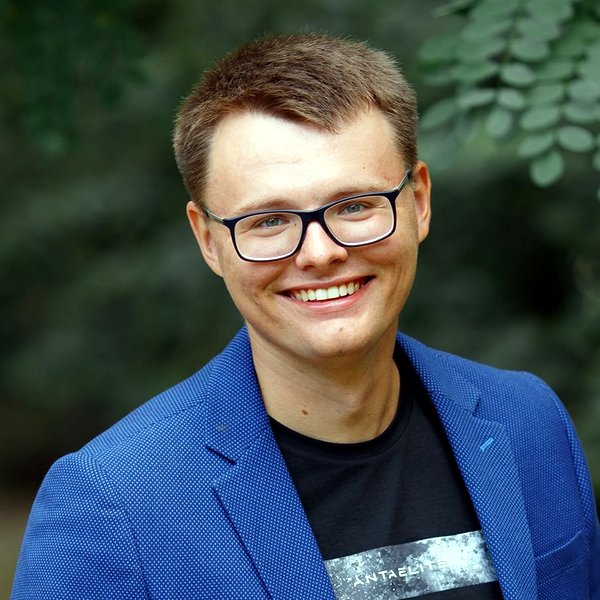
Kropivnitsky-based, Mykola teaches English and Ukrainian both, with storytelling and role-play built in to make lessons feel like conversation, not class.
Specialties
Bachelor degree
Be happy - Learn English!
Specialties
Personally vetted · Strommen’s note
Kropivnitsky-based, Mykola teaches English and Ukrainian both, with storytelling and role-play built in to make lessons feel like conversation, not class.
BA in Russian Language and LiteratureBA in English LiteraturePh.D. in Comparative LiteratureCertificate in Teaching Russian as a Foreign LanguageCertificate in Teaching ESL / EFL to Speakers of Other LanguagesCertificate in Teaching Business ESL
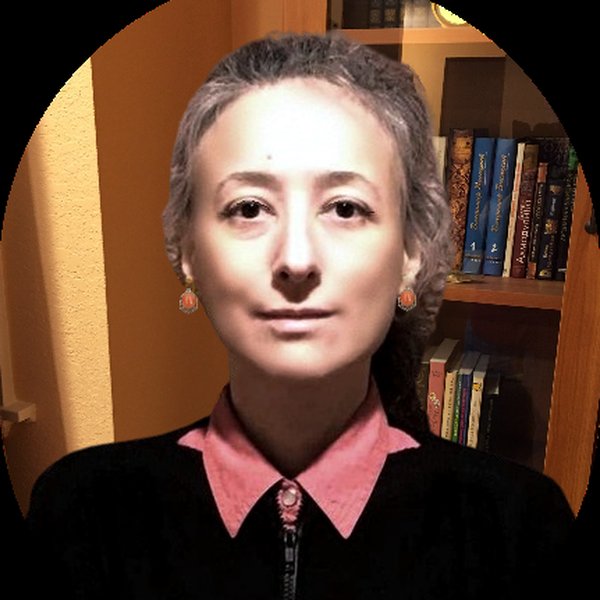
Embark on Your Language Odyssey: Expert Guidance from Tatyana, Your Native Speaker & Ph.D
Specialties
BA in Russian Language and LiteratureBA in English LiteraturePh.D. in Comparative LiteratureCertificate in Teaching Russian as a Foreign LanguageCertificate in Teaching ESL / EFL to Speakers of Other LanguagesCertificate in Teaching Business ESL
Embark on Your Language Odyssey: Expert Guidance from Tatyana, Your Native Speaker & Ph.D
Specialties

Діти — Ukrainian the way kids learn it
5 things every Ukrainian-learning kid encounters early
These are the building blocks Ukrainian children grow up with, and the same anchors used in any solid heritage program. Save the list and book a tutor to build a lesson around them.
-
01
Колобок Kolobok
The round bread-loaf that rolls away from the grandmother and grandfather in the most famous Ukrainian folk tale, the equivalent of "The Gingerbread Man." The first story almost every Ukrainian child hears, and a tutor's go-to text for younger kids because the cumulative structure and the song-like repetition make it easy to follow even before a child speaks much Ukrainian.
e.g. Я Колобок, Колобок... ("I am Kolobok, Kolobok..." The Kolobok song from the tale.)
-
02
Вишиванка Vyshyvanka
The embroidered shirt that is the national symbol of Ukrainian dress. Vyshyvanka Day, the third Thursday of May, is celebrated country-wide and across the diaspora. Tutors run a spring unit on vyshyvanka covering the patterns, the colors, the regional variations (Polissia vs Hutsul vs Poltava), and the songs. Kids often wear their family vyshyvanka to lessons that week.
e.g. На Вишиванку всі вдягають вишиванки. ("On Vyshyvanka Day everyone wears vyshyvanky.")
-
03
Щедрик Shchedryk
The original Ukrainian winter-solstice carol composed by Mykola Leontovych in 1916, which became "Carol of the Bells" in English. Sung by Ukrainian children every December as part of the koliadky carol tradition. A tutor's anchor for the December holiday unit, with younger kids learning the melody and older kids learning the history of how the song traveled around the world.
e.g. Щедрик, щедрик, щедрівочка... (Opening line of the carol.)
-
04
Писанка Pysanka
The intricate Ukrainian Easter egg, decorated using wax-resist patterns in geometric and floral designs that have been passed down for generations. Each region has its own pysanka patterns, and tutors run a unit in March or April every year covering the vocabulary, the colors, and (for in-person lessons) the actual decorating. The tradition predates Christianity in Ukraine and carries deep cultural weight.
e.g. Великодня писанка. ("An Easter pysanka.")
-
05
Слава Україні · Slava Ukraini
"Glory to Ukraine," the patriotic greeting that returned to widespread daily use after 2014 and even more so after 2022. The traditional response is "Героям слава" (Heroyam slava, "Glory to the heroes"). Tutors teach the phrase and its history at age-appropriate levels; younger kids learn it as the greeting they hear at family gatherings, older kids learn the full historical context.
e.g. Слава Україні! — Героям слава! (The full call-and-response.)
About Ukrainian for Kids
Ukrainian for kids, the heritage mission
The conversation around kids' Ukrainian changed after February 2022. Families who had been letting the language slide because life was busy suddenly understood, with full force, that a language is a thing you have to actively keep alive across generations or it disappears. The surge in interest in heritage Ukrainian since the full-scale invasion has been real and sustained, and Strommen has felt it directly; families who would have been content with passive Ukrainian for their kids now want the kids to speak it, read it, and write it. The mission feels different now, both for the families and for the tutors.
Most of the families who come to Strommen for kids' Ukrainian are heritage families. Some are recent arrivals to the US, often through the Uniting for Ukraine program or other displacement pathways since 2022, who want their child to keep Ukrainian as the home language while learning English at school. Some are Ukrainian-American families that have been in the US for a generation or two, where the grandparents speak Ukrainian fluently and the parents speak it well but inconsistently. A smaller group of families are not Ukrainian but have chosen the language for solidarity reasons. The tutor calibrates the lesson plan in the trial session, and the right plan is dramatically different for a recent-arrival five-year-old than for a third-generation ten-year-old.
Ukrainian uses Cyrillic, the same general writing system as Russian, but the alphabet has 33 letters with four that do not exist in Russian (Ґ ґ, Є є, І і, Ї ї) and a different sound for several letters that look similar. Children typically reach automatic Cyrillic reading inside two months of regular short lessons because the spelling is largely phonetic and the letter-to-sound mapping is reliable. Recent-arrival children often arrive already reading Ukrainian, so the work shifts to maintenance and to building English alongside; tutors collaborate with school ESL teachers in these cases when families want it.
Ukrainian children's literature has its own deep tradition, and the folk-tale cycle is the entry point most tutors lean on. "Колобок" (Kolobok), the round bread-loaf that rolls away from the grandmother and grandfather, is the equivalent of "The Gingerbread Man" and the first story almost every Ukrainian child hears. "Курочка ряба" (The Speckled Hen) and "Ріпка" (The Turnip), the cumulative tale about pulling a giant turnip from the ground, are read aloud in every Ukrainian kindergarten. "Пан Коцький" (Pan Kotsky, Mr. Cat) is the trickster-tale that older kids love. Tutors keep a small library of these in illustrated Ukrainian editions and read aloud with expression, modeling natural intonation. Contemporary Ukrainian children's authors like Ivan Malkovych at A-BA-BA-HA-LA-MA-HA publishing house have produced a steady output of beautifully illustrated children's books over the last two decades, and many of these books became symbols of cultural resilience after 2022.
The rushnyk, the embroidered ritual towel that has been a fixture of Ukrainian homes for centuries, is the kind of cultural anchor that gives a kids' lesson its substance. Tutors teach the patterns, the colors, the meaning of the embroidery as part of the broader vocabulary work, and many include rushnyk-themed crafts in lesson breaks for younger kids. Vyshyvanka Day in May (the third Thursday) is the country-wide celebration of the embroidered shirt, and most tutors run a spring unit on vyshyvanka covering the vocabulary, the songs, and the tradition itself. Pysanka, the intricate egg-painting tradition for Easter, is another fixture; tutors run a pysanka unit in March or April every year.
Songs are the most efficient grammar delivery system for young learners. "Щедрик" (Shchedryk, the original Ukrainian carol that became "Carol of the Bells" in English) is the seasonal anchor at the December holiday unit. "Ой у лузі червона калина" (Oh, in the Meadow the Red Viburnum), the patriotic song that became an anthem after February 2022, is taught at age-appropriate levels for older kids; younger kids learn the simpler children's songs like "Два веселих гусака" (Two Merry Geese) and "Іди, іди, дощику" (Come, Come, Rain). Tutors loop these regularly across the year because the melody locks vocabulary and grammar in.
For older kids (twelve to fourteen), the lesson can shift toward Ukrainian YA literature, the films and music a Ukrainian teenager would know, and short conversations on real topics. This is also the age at which kids can engage meaningfully with the post-2022 cultural moment, and many tutors balance lessons between language work and age-appropriate cultural-history discussion. The history is real and present in these families' lives, and pretending it is not part of the language is dishonest; tutors handle it with care.
The practical side is uncomplicated. Lessons typically run 30 minutes for ages five to nine, 45 minutes for ages ten to twelve, and an hour for the older end. Online lessons over Zoom or Jitsi work well from about age seven; in-person is available around LA. Many of our Ukrainian tutors are themselves recent arrivals or longtime diaspora teachers, and several have classroom experience in Ukraine. Trial lessons are free and are the place to see whether the rapport works for your child. The right tutor for a kid is the one the kid wants to see again next week.
Our kids' Ukrainian tutors include Ukraine-born native speakers with classroom experience, longtime Ukrainian-American bilinguals raising their own children with the language, and several tutors who arrived after 2022 and bring direct contemporary cultural knowledge into the lesson. Each bio specifies background and teaching style, and the trial lesson is the place to confirm the rapport.
What you'll cover
Lessons & classes tailored to Ukrainian for Kids
The Cyrillic alphabet through games
Early lessons teach the 33-letter Ukrainian alphabet via memory games, songs, and short tracing drills. Children reach automatic Cyrillic reading inside two months of regular short lessons because Ukrainian spelling is largely phonetic. Tutors are careful to distinguish the four Ukrainian-specific letters (Ґ, Є, І, Ї) from their Russian look-alikes from the start, which matters for heritage families committed to Ukrainian over Russian.
Folk tales and contemporary picture books
Lessons lean on the classic folk-tale cycle (Kolobok, Ripka, Kurochka ryaba, Pan Kotsky) and on the modern children's literature that has flourished through A-BA-BA-HA-LA-MA-HA publishing house and others. Tutors keep a small library of illustrated Ukrainian editions and read aloud with expression, modeling the rhythm and intonation of natural Ukrainian. Our general Ukrainian tutors page covers the adult-track equivalent.
Vyshyvanka, pysanka, and the cultural calendar
A school-year arc cycles through the major Ukrainian cultural moments. The Shchedryk-and-koliadky winter unit in December, the pysanka egg-decorating unit before Easter, the vyshyvanka shirt unit in May, and Independence Day (24 серпня, August 24th). Vocabulary, songs, and short stories anchor each, and the child grows up able to participate fully in family celebrations across the year.
Recent-arrival support and heritage maintenance
For families who arrived after February 2022, lessons often run alongside English-language schooling and serve to maintain Ukrainian as the strong home language. For longer-established Ukrainian-American families, the priority is usually heritage maintenance: activating the listening comprehension a child already has, building production, and adding the script. Tutors calibrate to either profile, and the trial lesson is where the right plan gets set.
FAQ
About Ukrainian for Kids lessons & classes
We came to the US after 2022. Will lessons help my child keep Ukrainian while learning English?
Yes, and this is exactly the situation many of our Ukrainian tutors specialize in. Maintaining Ukrainian as the strong home language while a child picks up English at school is the right pattern, and lessons give the child structured Ukrainian practice that home conversation alone often does not. Tutors familiar with recent arrivals know how to balance reading, writing, and conversation so the child grows in Ukrainian even as English becomes their dominant school language.
My child is Ukrainian-American and only knows a few words. Is it too late to start?
No. Many of our heritage students start at five, seven, or ten with very little Ukrainian and end up conversational within a year of weekly lessons. The earlier the start, the easier the accent, but kids at any age in elementary school can pick up a heritage language with regular instruction. The decision parents tell us they regret is waiting; the decision they almost never regret is starting now.
How is Ukrainian different from Russian, and does it matter for my kid?
Ukrainian and Russian are separate languages, related but mutually distinct, with different alphabets (four extra Ukrainian letters not in Russian, several letters with different sounds), different grammar in places, and a different vocabulary in many high-frequency words. For families committed to Ukrainian, the distinction matters and tutors keep the two languages cleanly separated in lessons. Children who hear both at home can absolutely keep them separate with a tutor who is consistent in Ukrainian during sessions.
What age can my child start learning Cyrillic?
Most kids are ready for letter work around age six, once they have a few months of spoken Ukrainian behind them. The 33-letter Ukrainian alphabet is largely phonetic and most kids reach automatic recognition in six to eight weeks of regular short lessons. Younger kids can recognize a small set of high-image letters before they read them as language.
Are online Ukrainian lessons effective for kids?
Yes, from about age seven. Younger than that, in-person tends to hold attention better when it is possible. For elementary-age and older kids, online lessons via Zoom or Jitsi work well, and many of our tutors are themselves in Ukraine or in the European diaspora, which makes online the natural format.
How long should a Ukrainian lesson be for a young child?
Thirty minutes is the typical sweet spot for ages five to nine. Forty-five minutes works for ages ten to twelve. A full hour fits most thirteen and fourteen-year-olds. Shorter, more frequent sessions outperform a single longer weekly lesson at the younger end, both for retention and for keeping the child looking forward to the next session.
Are your kids' Ukrainian tutors native speakers?
Most are Ukraine-born native speakers, several of whom arrived after 2022 and bring direct contemporary cultural knowledge into the lesson. A few are longtime Ukrainian-American bilinguals raising their own children with the language. Each bio specifies background and teaching style.
Ready for Ukrainian for Kids lessons or classes?
Book a free 30-minute trial with one of our personally vetted tutors. Private lessons or small-group classes — your choice.